
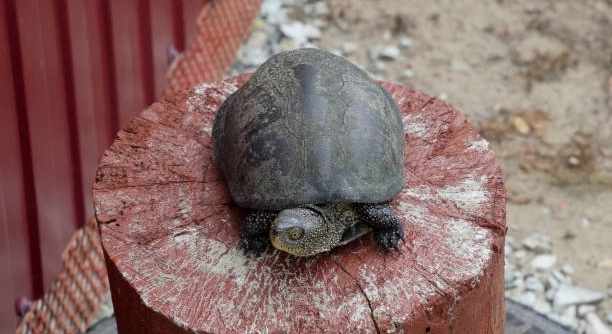
Musk turtles are known for their unique hibernation habits, often staying dormant longer indoors. This article explores the factors influencing their extended hibernation, helping turtle owners understand the causes behind this behavior.
Musk turtles tend to hibernate longer indoors primarily due to environmental factors such as temperature, humidity, and light levels. These factors can slow down their metabolism, leading to prolonged hibernation periods compared to outdoor environments with more stable conditions.
Understanding these factors can help improve care routines for your musk turtle, ensuring it remains healthy and comfortable throughout the hibernation period.
Temperature Fluctuations Indoors
Musk turtles rely heavily on temperature to regulate their hibernation. Indoors, the temperature can vary more than expected, which may cause the turtle’s metabolism to slow down significantly. In nature, temperature fluctuations are typically less drastic, so indoor environments can unintentionally lengthen their hibernation period. This could be due to the temperature of the room or even slight changes caused by heating systems.
When your home is too warm or too cold, your turtle might enter a prolonged hibernation state. This is why it’s essential to maintain a consistent temperature for your turtle’s habitat. A stable environment with temperature levels between 65 to 75°F is recommended. This helps prevent your turtle from going into hibernation too early or too late.
Making sure your turtle’s habitat remains consistent is key to preventing hibernation disruptions. An indoor environment with temperature control features can be beneficial, but even slight temperature shifts can affect how long they stay dormant. Adjusting these factors will help your turtle stay in the best condition during this time.
Light Exposure
Musk turtles need the right amount of light to stay active. Limited exposure to natural light indoors can throw off their internal clock, affecting their sleep patterns. Without enough daylight, your turtle might remain in a hibernation-like state.
Ensure your turtle’s habitat receives an adequate amount of light to mimic natural conditions. This will help regulate their activity cycle and prevent extended hibernation. You can use artificial lights to simulate day and night cycles, improving their health and comfort. Keeping these elements in check will make sure your turtle remains active as needed.
Humidity Levels
Humidity plays a big role in how long musk turtles hibernate. If the humidity is too low indoors, it can cause the turtle to become less active, leading them into longer hibernation. On the other hand, too much humidity can create an environment that encourages dormancy.
Maintaining an appropriate humidity level between 50 to 70% is important for your turtle’s health. If your home tends to be dry, you may need a humidity monitor or a small humidifier to keep the air at a suitable level. This balance ensures your turtle can stay healthy without prematurely entering hibernation.
A simple way to check humidity levels is by using a hygrometer. Regularly monitoring this can help you adjust the conditions in your turtle’s enclosure. You’ll notice a more consistent and natural activity cycle when the humidity is right. Keeping the humidity steady will prevent your turtle from hibernating for longer than necessary.
Feeding Schedules
Feeding schedules can also influence your turtle’s hibernation. If they are overfed or underfed indoors, it can affect their energy levels and metabolism. Overfeeding can make them sluggish, while underfeeding may not give them the necessary nutrients to stay active.
Musk turtles need a balanced diet to maintain proper health and avoid excessive hibernation. Be mindful of their food intake, ensuring it’s appropriate for their age and size. Feeding them too often or at irregular times can confuse their internal clock, resulting in longer hibernation periods. Aim for regular feedings with a proper mix of protein and greens.
Adjusting your turtle’s feeding schedule may help regulate its metabolism. A consistent, balanced diet allows them to remain active during the right times, preventing unnecessary dormancy. This simple change can improve your turtle’s overall health and reduce the chances of extended hibernation.
Health Conditions
Health issues can play a significant role in how long a musk turtle hibernates. If your turtle is sick or stressed, it may enter hibernation earlier and stay dormant longer. This can be due to a weakened immune system or inadequate care.
If you notice any signs of illness, such as loss of appetite or unusual behavior, it’s important to consult a vet. Proper health care can prevent extended hibernation. Ensuring that your turtle is in good health can keep them from hibernating for longer than needed. Pay attention to any changes in their behavior.
Addressing any health concerns early will help prevent complications that could affect hibernation. Regular checkups and observing your turtle’s condition can lead to a healthier and more active pet. Healthy turtles are more likely to avoid unnecessary hibernation.
Activity Levels
Musk turtles, like other reptiles, require enough physical activity to stay active. If they don’t get enough exercise, they may enter a state of hibernation earlier than expected. Regular swimming and movement help keep their metabolism active.
It’s essential to provide your turtle with enough space to swim and move. This promotes a healthy metabolism and encourages them to stay active. Avoid keeping them in too small an area, as this can lead to inactivity, triggering premature hibernation. Proper care, including an active environment, will reduce the chance of extended dormancy.
Water Temperature
Water temperature plays a crucial role in regulating a musk turtle’s hibernation cycle. If the water is too cold, it can cause the turtle to enter hibernation much earlier than usual. Keeping the water temperature consistent is important for preventing this.
The ideal water temperature for musk turtles is around 70 to 75°F. A water heater can help maintain the right temperature in colder months. This ensures that your turtle stays active, reducing the likelihood of extended hibernation. Regularly checking the water temperature will keep your turtle comfortable and healthy.
FAQ
How long do musk turtles hibernate indoors?
Musk turtles can hibernate indoors for a period ranging from a few weeks to several months, depending on environmental factors. If kept in a controlled indoor environment, they may hibernate longer due to temperature fluctuations, humidity, and light exposure. It’s important to monitor these conditions to ensure your turtle’s hibernation doesn’t extend longer than necessary. In some cases, improper environmental settings can trigger prolonged dormancy, which can be unhealthy for your turtle.
What temperature should musk turtles hibernate at indoors?
Musk turtles should hibernate in temperatures between 50°F and 60°F (10°C to 15°C). This range allows them to remain in a state of dormancy without becoming too stressed or harming their metabolism. If temperatures are too high, your turtle may not enter hibernation at all, while temperatures that are too low can cause them to become sluggish and unwell. Keeping the indoor environment stable within this temperature range will promote healthy hibernation.
Can musk turtles hibernate if their water is too cold?
Yes, musk turtles can hibernate if their water is too cold, as long as the temperature is low enough to slow their metabolism. Cold water temperatures can trigger hibernation, especially when they are exposed to temperatures around 50°F to 60°F (10°C to 15°C). If the water is excessively cold for long periods, it may lead to an unhealthy hibernation, so it’s crucial to monitor and adjust the water temperature accordingly to avoid complications. Proper care during this period will ensure they hibernate safely.
Should I feed my musk turtle before hibernation?
Feeding your musk turtle before hibernation is essential, but it’s important not to overfeed. Make sure they have a well-balanced diet with the right amount of protein, vegetables, and vitamins. A turtle with a healthy weight is more likely to survive hibernation without complications. However, feeding should stop about one to two weeks before the hibernation period begins. This gives your turtle time to digest the food in its system. Overfeeding just before hibernation can lead to digestive problems and make it harder for them to enter hibernation naturally.
Can I wake my musk turtle up from hibernation if necessary?
Yes, you can wake up your musk turtle if necessary, but it should be done carefully. If your turtle seems to be in distress or you need to check on its health, you can gently raise the temperature in its environment to encourage it to become more active. However, interrupting hibernation should not be a regular practice as it can disrupt their natural cycle and cause stress. It’s important to make sure your turtle is in good health before hibernation, so disturbances can be minimized.
How can I tell if my musk turtle is healthy before hibernation?
Before allowing your musk turtle to hibernate, make sure it is healthy by checking for signs like clear eyes, regular breathing, and no abnormal swelling or injuries. Healthy turtles are active, alert, and responsive. If you notice any signs of illness, such as lethargy or a lack of appetite, it’s best to consult with a vet before allowing them to enter hibernation. Regular checkups and a clean, well-maintained habitat help ensure that your turtle’s health is optimal before they go into dormancy.
What do I do if my musk turtle doesn’t hibernate indoors?
If your musk turtle refuses to hibernate indoors, it could be due to factors like higher temperatures or excessive light exposure. Ensure the temperature in the turtle’s enclosure is cool enough to encourage hibernation. You may also want to reduce light exposure by adjusting the lighting schedule to mimic natural day and night cycles. If your turtle still refuses to hibernate, it could be a sign of stress or health issues, and consulting a veterinarian is recommended to rule out underlying concerns.
How do I care for my musk turtle during hibernation?
During hibernation, your musk turtle requires minimal care. Keep the environment quiet and stable, ensuring that the temperature and humidity levels remain consistent. It’s important not to disturb your turtle frequently, as this can disrupt their hibernation process. However, you should check on your turtle periodically to make sure it’s not showing signs of distress, such as excessive dryness or irregular breathing. Once hibernation is complete, slowly raise the temperature to help your turtle awaken and adjust to normal activity levels.
Can I use a heat lamp to help my turtle hibernate indoors?
Using a heat lamp is generally not recommended for hibernation. Musk turtles should be kept in cooler temperatures for hibernation, and a heat lamp could interfere with their natural dormancy process. Instead, maintain the temperature in their enclosure using a consistent heat source that doesn’t overheat the environment. Ensure that the conditions are appropriate for hibernation, including proper humidity and a quiet, stable space.
How often should I check on my musk turtle during hibernation?
You should check on your musk turtle every two weeks during hibernation. Ensure that its environment remains stable and that it is not showing any signs of distress. You don’t need to handle the turtle unless it’s necessary for health checks or other emergencies. If you notice unusual behavior, such as not breathing properly or appearing lethargic, it’s important to consult a vet.
Does my musk turtle need to hibernate every year?
Musk turtles typically hibernate annually, but the duration and timing can vary depending on environmental factors. Not all turtles hibernate for the same length of time, and some may skip a year if the conditions aren’t right. It’s important to pay attention to your turtle’s specific needs and environment to determine whether hibernation is necessary that year. Regular health checks and stable environmental conditions can help your turtle thrive, whether or not it hibernates.
Final Thoughts
Understanding why musk turtles hibernate longer indoors involves considering several key factors, including environmental conditions, temperature, and their natural instincts. By providing a controlled habitat with the proper temperature and humidity, you can help ensure that your turtle has a safe and comfortable hibernation period. While hibernation is a normal and healthy part of their life cycle, it’s important to monitor them closely to avoid potential health issues during this time. A turtle that doesn’t hibernate properly or stays in dormancy for too long can face serious health risks, which is why regular observation is crucial.
If your musk turtle does not seem to hibernate as expected, the temperature, light exposure, or even its health could be factors at play. Adjusting the temperature and light cycle can often encourage them to enter hibernation, but if problems persist, it may be a sign of an underlying issue. It’s important to consider their health before initiating hibernation. A well-fed, healthy turtle is more likely to successfully enter hibernation without complications. If you’re ever unsure about your turtle’s health or behavior, consulting with a veterinarian is always a good option to ensure their well-being.
Ultimately, ensuring the right conditions for your musk turtle’s hibernation is key to their long-term health. By providing the proper care, maintaining the right environment, and keeping an eye on their overall health, you can help your turtle through this natural cycle safely. While it may seem like a simple process, hibernation requires attention to detail and a solid understanding of your turtle’s needs. With these measures in place, you can rest assured that your musk turtle will have a safe and healthy hibernation, allowing it to thrive for years to come.

Hello,
If you enjoy the content that we create, please consider saying a "Thank You!" by leaving a tip.
Every little bit helps us continue crafting quality advice that supports the health, happiness, and well-being of pets around the world, for pets of all shapes, sizes, and species.
We really appreciate the kindness and support that you show us!