
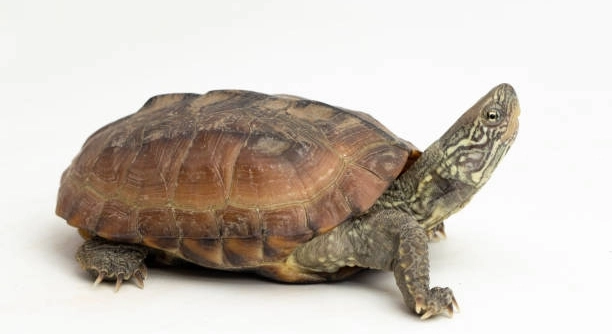
Introducing a second musk turtle to your tank can be a tricky process. There are specific steps to take to ensure a smooth transition. This guide will help you introduce your new turtle without causing stress or harm.
The key to introducing a second musk turtle involves a gradual and careful approach. Prepare your tank by ensuring enough space and hiding spots. Introduce the new turtle slowly and monitor interactions to prevent territorial aggression and ensure both turtles are comfortable.
Following these steps will help you create a balanced environment for your turtles. A little preparation can go a long way in ensuring their success together in the tank.
Tank Size and Space Requirements
Before introducing a second musk turtle, it’s crucial to ensure your tank is large enough to accommodate both turtles. Musk turtles are territorial creatures, so they need enough space to establish their own areas. A tank that is at least 40 gallons is recommended for two turtles. If you’re using a smaller tank, be prepared to upgrade. Additionally, include various hiding spots like rocks or logs to reduce the chances of aggression. This way, each turtle can find its own safe space when needed, allowing them to coexist peacefully.
Make sure the tank has both dry and submerged areas. Musk turtles enjoy both basking and swimming, and the tank setup should reflect this need. Providing a variety of spaces will help your turtles feel secure and less stressed during the transition.
A larger tank reduces the likelihood of overcrowding, which can lead to territorial disputes. It also helps maintain a stable environment for water quality, temperature, and filtration. More space means less competition for resources, promoting a healthier and happier environment for both turtles.
Tank Setup and Filtration
Proper filtration is essential for maintaining clean water. Musk turtles tend to produce a lot of waste, and poor water quality can cause stress and health issues. Ensure your filtration system is strong enough to handle the increased load.
Consider installing a high-quality filter that can clean the water without disturbing your turtles. A filter with a strong flow rate is ideal, but make sure it doesn’t create strong currents, as musk turtles prefer calm waters. Regular maintenance of the filter and water changes is also necessary to maintain a clean and safe environment.
Adding a few plants or decorations can help break up the space and provide additional hiding spots. Proper setup not only keeps the tank clean but also ensures your turtles feel secure, reducing stress during their introduction. With a little effort, the right setup will make all the difference.
Gradual Introduction
Introducing a second musk turtle requires patience. Start by placing the new turtle in a separate tank or container within the same room. This allows both turtles to get used to each other’s presence without direct contact. It’s important to give them time to adjust before any physical interactions.
Keep the new turtle in the separate space for a few days. Monitor both turtles’ behavior closely, noting any signs of stress or curiosity. After they seem comfortable with each other’s presence, slowly move them into the main tank. This slow introduction will help them become familiar with each other, reducing the chances of aggression.
When you place the new turtle in the tank, watch for signs of territorial behavior, such as chasing or biting. If there is too much aggression, separate them and try again after a few days. The gradual introduction will allow them to become more comfortable over time.
Monitoring Behavior
It’s important to observe both turtles after they are introduced. Watch for any signs of aggression, such as biting, chasing, or blocking access to food and basking areas. Musk turtles are generally peaceful but can become territorial.
During the first few days, they may need to establish dominance, which can result in brief skirmishes. If these conflicts are minimal and the turtles have enough space, they will usually calm down. Make sure there are enough hiding spots to allow the turtles to retreat if needed. Providing these spaces reduces stress and helps with the adjustment process.
Keep an eye on their feeding habits as well. A common issue when introducing turtles is competition for food. Make sure both turtles have equal access to food to avoid one becoming overly aggressive. Be patient, as it can take some time for them to adjust to shared feeding times.
Feeding and Nutrition
Feeding both turtles can be tricky during the introduction phase. Make sure both turtles have access to their food without interference from the other. You may need to separate them temporarily during feeding time to ensure both are getting enough.
Use a separate feeding area or feed them in different parts of the tank. This will help avoid competition and ensure each turtle eats properly. Provide a variety of foods, including pellets, vegetables, and occasional live foods, to meet their nutritional needs. If one turtle isn’t eating, consider separating them until they feel more comfortable.
Tank Maintenance
Maintaining a clean tank is essential when housing multiple turtles. With the added waste from a second turtle, you’ll need to perform more frequent water changes. Aim for at least a 25% water change every week to keep the environment healthy.
Make sure the filtration system is working efficiently, as dirty water can lead to stress and health issues. Keep an eye on water parameters like pH, ammonia, and temperature. Regular cleaning of the tank will ensure both turtles remain healthy and happy in their shared space.
Providing Hiding Spots
Adding plenty of hiding spots in the tank can reduce stress for both turtles. Musk turtles are naturally shy and will often seek refuge when they feel threatened. Create multiple hiding areas using rocks, plants, or aquarium decorations.
These hiding spots allow the turtles to escape each other’s view, promoting peace and reducing territorial conflict. Make sure the spots are accessible and safe, with enough space for both turtles to fit comfortably. A well-structured tank with adequate hiding places will help ensure a smoother transition when introducing a second turtle.
FAQ
What if the turtles don’t get along?
If the turtles don’t get along right away, don’t worry. It’s normal for them to establish their boundaries. However, if aggressive behavior continues, you may need to separate them for a while. Ensure they each have enough space and hiding spots. Gradually reintroduce them once they seem calmer. In some cases, it may take a few weeks for them to adjust to each other’s presence. If aggression persists despite your efforts, consider seeking advice from a reptile expert.
How do I know if my tank is big enough for two turtles?
A 40-gallon tank is the minimum size recommended for two musk turtles. This allows enough space for each turtle to have its own area. A larger tank is even better, especially if you plan to keep other aquatic creatures or plants. The more space the turtles have, the less likely they are to feel stressed or compete for resources. Ensure the tank is also equipped with proper filtration to handle the increased waste.
How do I feed two turtles in the same tank?
Feeding two turtles in the same tank can sometimes cause competition, so separate feeding zones are recommended. You can place food in different areas or feed them at the same time but in separate containers. This ensures that each turtle gets enough food without the risk of one turtle taking more than its fair share. Observe their eating habits to make sure they’re both eating properly.
Can I add more than two musk turtles to the same tank?
Adding more than two musk turtles to a tank can be difficult. These turtles are territorial, and having too many can cause stress and aggression. If you do want to add more turtles, ensure that the tank size is large enough and that there are enough hiding spots for each turtle to have its own space. However, for most people, keeping two turtles in a well-equipped tank is sufficient.
Do I need to do anything special when adding a second turtle to my tank?
Yes, you should prepare your tank before adding a second turtle. Ensure that the tank is large enough and that there are multiple hiding spots and basking areas. A proper filtration system is also essential for maintaining clean water. Start with a gradual introduction, allowing both turtles to get used to each other’s presence before allowing them to interact directly. Monitor their behavior closely, especially during the first few days.
How long should I keep the turtles in separate tanks?
The length of time to keep the turtles in separate tanks depends on how well they’re adjusting to each other. Typically, you should keep them apart for at least a few days to let them get used to each other’s scent. Afterward, gradually introduce them in the same space. If there is too much aggression, separate them again and give them more time apart. Patience is key during this process.
What can I do if one turtle is bullying the other?
If one turtle is bullying the other, you may need to step in and separate them. Musk turtles can be territorial, and bullying often occurs when one feels threatened. Try adding more hiding spots or dividing the tank into separate sections temporarily. If the bullying continues, consider keeping the turtles in separate tanks. It’s essential to monitor them closely to ensure their well-being.
Can musk turtles live together peacefully?
Yes, musk turtles can live together peacefully, but they need plenty of space and proper tank conditions. With enough hiding spots, basking areas, and room to swim, they can coexist without issue. It’s important to keep an eye on their behavior during the first few weeks to ensure that aggression doesn’t occur. Proper tank maintenance and adequate food for both turtles will also help reduce stress and keep them healthy.
How can I prevent stress when introducing a second turtle?
Stress can be minimized by preparing the tank properly before introducing the second turtle. Make sure there are plenty of hiding spots, basking areas, and a good filtration system. Gradually introduce the turtles by allowing them to see each other from a distance before they are put in the same tank. Ensure that both turtles are fed well and have enough space to avoid competition. Keeping the environment calm and clean will help prevent stress.
What should I do if the water becomes dirty quickly after introducing a second turtle?
Introducing a second turtle can lead to faster accumulation of waste, making the water dirty quickly. If this happens, perform more frequent water changes to maintain a clean environment. Consider upgrading your filtration system to handle the increased load. It’s essential to monitor the water quality, checking parameters like pH, ammonia levels, and temperature regularly to ensure a safe environment for your turtles.
Final Thoughts
Introducing a second musk turtle to your tank requires careful planning and patience. It’s important to make sure the tank is large enough to accommodate both turtles and that there are enough hiding spots for them to feel safe. Musk turtles are generally territorial, so providing plenty of space and a proper environment can reduce stress and help them coexist. Each turtle needs room to swim, bask, and find a quiet spot when they need it. Without enough space, aggression and stress are likely to increase.
Monitoring the turtles closely during the first few days is key. Some level of tension or curiosity between the turtles is normal, but aggression should not be ignored. If one turtle shows signs of bullying, such as chasing or biting, it may be necessary to separate them for a while. Gradually reintroducing them can help, but some turtles may need more time apart. Being patient and attentive to their behavior will make the introduction smoother. If aggression continues despite your efforts, it may be necessary to keep the turtles in separate tanks to avoid further stress or injury.
By paying attention to the tank setup, feeding routines, and monitoring their behavior, you can successfully introduce a second musk turtle to your tank. Remember, every turtle has its own personality, and it may take some time for them to get used to one another. Ensuring that the environment is clean and well-maintained, with appropriate hiding spots and basking areas, will contribute to their long-term health. With the right setup and approach, two musk turtles can live together peacefully and thrive in a shared habitat.

Hello,
If you enjoy the content that we create, please consider saying a "Thank You!" by leaving a tip.
Every little bit helps us continue crafting quality advice that supports the health, happiness, and well-being of pets around the world, for pets of all shapes, sizes, and species.
We really appreciate the kindness and support that you show us!