
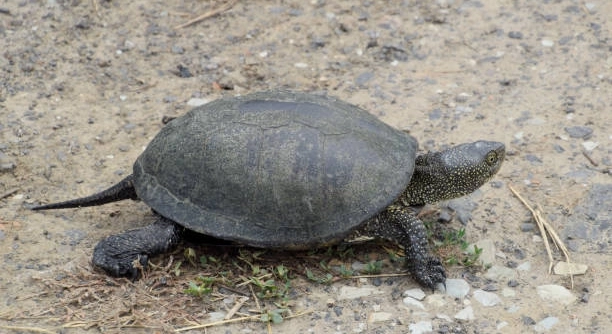
Female musk turtles face challenges during egg-laying that require attention to ensure their well-being. Providing support for them during this critical time can make a significant difference in their health and reproductive success.
To help female musk turtles during egg-laying, offer a suitable nesting site, ensure a safe environment free of predators, and provide appropriate temperatures. Hydration is also crucial, as well as monitoring for any signs of distress or health concerns.
Knowing the right steps to help female musk turtles during egg-laying will improve their chances of a successful reproductive process and promote long-term health.
Providing the Right Nesting Site
Creating the right environment for female musk turtles is crucial. The first step is ensuring they have access to a proper nesting site. Female turtles seek sandy, loose soil to dig their nests. If possible, place a substrate like sand or soil in a quiet, undisturbed area. The ideal nesting site should be warm and dry but not exposed to direct sunlight. This provides the perfect conditions for the turtles to lay their eggs safely. It’s important to avoid locations near water sources or areas with a lot of traffic, as these can stress the turtles.
Providing an appropriate nesting site helps female turtles feel secure. They need a spot that feels safe and offers the right conditions for egg development.
The area should be free from any disturbances that could cause stress. Turtles are sensitive to changes in their environment, so keeping the nesting site as undisturbed as possible is key. While they may find suitable nesting areas on their own, it’s helpful to create a designated space that mimics their natural environment. By doing so, you ensure they can lay eggs comfortably and safely, leading to better reproductive outcomes.
Keeping the Nesting Site Safe
Safety is a top priority when it comes to supporting female musk turtles during egg-laying. Keep the area away from predators that could harm the turtles or their eggs. Predators like raccoons and birds may interfere with the nest and disturb the turtle during her vulnerable time.
If you’re uncertain about potential threats, it’s worth observing the area and taking measures to prevent unwanted visitors. For example, you might set up fencing or barriers to block off certain areas. You can also monitor the nest for any signs of interference or predation. The more you can minimize these threats, the more likely the eggs will be successfully laid and protected. A predator-free environment is essential for the success of the egg-laying process.
Providing Adequate Temperature and Humidity
Temperature regulation is essential for female musk turtles during egg-laying. The temperature of the nesting area directly impacts egg incubation. If the area is too cold or too hot, it can hinder the proper development of the eggs. The ideal range is typically between 75-85°F, but be sure to check the specific needs of the turtle species you’re caring for.
In addition to temperature, humidity levels also play a role. A dry nesting area may cause the eggs to dry out, while excessive moisture could lead to mold or the eggs becoming waterlogged. Maintaining a balanced environment with moderate humidity helps create the perfect setting for egg incubation. To achieve this, you may need to monitor the temperature and humidity levels regularly.
These factors combined create a controlled environment that supports the success of egg-laying and ensures the health of the turtle and her eggs. By paying attention to temperature and humidity, you make sure that the eggs are incubated properly and increase the chances of hatchlings.
Ensuring Hydration
Hydration is important for female musk turtles during egg-laying. Offering a water source nearby encourages hydration, as laying eggs can be physically demanding. Ensure the water is clean and easily accessible for the turtle without disturbing her nesting area. A shallow water dish or a pond nearby can work well.
Having fresh water nearby can help prevent dehydration, which can affect both the female and her eggs. The turtle may drink more frequently to replenish fluids, especially if the egg-laying process takes longer than expected. Be mindful to provide clean water regularly, ensuring it remains fresh and free of contaminants.
In addition, avoid using water sources that are too deep, as the turtle may find it difficult to access. Shallow, calm water is ideal and allows the turtle to hydrate without risk of stress. This step contributes to the overall health of the turtle during the laying process, ensuring she has the necessary resources for a successful egg-laying session.
Monitoring for Signs of Distress
During the egg-laying process, female musk turtles may show signs of distress. Watch for behaviors like digging excessively, pacing, or retreating into their shells. These could indicate that the turtle is having difficulty laying eggs or facing discomfort. Observing these signs can help you address issues promptly.
If the turtle seems distressed, check the environment for potential stressors. Sometimes, the area may not be suitable for laying, such as being too crowded, too hot, or too exposed. A calm, quiet setting can often reduce these stress levels and allow the turtle to feel more at ease.
If you notice persistent signs of distress, consult a veterinarian with experience in reptiles. Problems such as egg-binding can occur, where the turtle is unable to lay eggs, and medical intervention may be necessary. By staying vigilant and acting quickly, you can ensure the turtle remains safe during the process.
Providing Proper Nutrition
A well-balanced diet is essential for female musk turtles during egg-laying. Offer high-quality pellets, along with fresh vegetables and protein sources such as insects or fish. A proper diet supports her energy needs and overall health, which is crucial during this demanding time.
Be sure to offer a variety of food, ensuring she receives all necessary nutrients. Calcium is especially important for egg-laying turtles to help strengthen their shells and avoid metabolic bone disease. Supplementing her diet with calcium sources, such as cuttlebone or calcium powder, is recommended.
A nutritious diet not only helps maintain her health but also contributes to the successful laying and hatching of eggs. Avoid overfeeding, as excess food can cause stress or digestive problems. Stick to a routine that supports her needs during this critical time, and observe her for any changes in appetite.
Limiting Stress Factors
Stress can hinder the egg-laying process, so it’s essential to minimize disruptions. Avoid handling the turtle unnecessarily or making sudden changes in her environment. Keep the area quiet and calm, away from loud noises or other pets.
Stress can delay egg-laying or even cause health problems. Provide a safe space for the turtle to lay her eggs without feeling threatened or disturbed. You can also consider placing plants or hiding spots in the area to give her a sense of security and privacy. Creating a stress-free environment helps the turtle focus on the laying process.
Observing the Egg-Laying Process
It’s important to observe the egg-laying process but avoid interfering unless necessary. The female musk turtle will dig a hole in the nesting area and lay her eggs carefully. Be patient and let her proceed naturally.
Check the nest after she finishes laying the eggs. Look for any signs that the eggs may not be properly positioned or buried. If needed, gently cover the eggs with sand or soil, making sure they are safe and secure. Avoid moving them unless absolutely necessary.
FAQ
How can I tell if my female musk turtle is ready to lay eggs?
A female musk turtle may show signs like increased digging, restlessness, or seeking out a specific spot to nest. She might also pace around the enclosure or appear more withdrawn as she begins the process. These behaviors indicate that she is preparing to lay eggs.
What should I do if I notice my female musk turtle is not laying eggs?
If your female musk turtle is having difficulty laying eggs, check for any environmental stressors. Ensure the nesting area is appropriate, with suitable soil or sand and proper temperature. If she still struggles, consider consulting a reptile veterinarian for guidance, as egg-binding may be a concern.
How often do female musk turtles lay eggs?
Female musk turtles usually lay eggs once or twice a year, depending on their age, health, and environmental factors. Some turtles may lay a clutch of eggs in one sitting, while others may lay smaller batches over time. Monitor her behavior closely during the breeding season.
Can I help my female musk turtle if she’s egg-bound?
If a turtle is egg-bound, it means she is unable to pass her eggs. If you notice signs of distress, such as excessive digging or straining, it’s important to seek veterinary help. A reptile veterinarian may need to assist with the removal of the eggs, as this can be a serious condition.
What do I need to provide for my musk turtle’s nesting area?
To create an ideal nesting area, provide soft, sandy soil or loose earth that allows the turtle to dig. Ensure the spot is secluded and safe from disturbances. A warm environment is also essential, so keep the temperature around 75-85°F to encourage egg-laying.
How can I keep the eggs safe after my turtle lays them?
Once the eggs are laid, gently cover them with the same sand or soil used for nesting. Avoid moving the eggs, as they need to remain in the same position for proper incubation. Maintain the temperature and humidity levels within the recommended range to ensure healthy egg development.
Should I keep the eggs in an incubator?
If you’re incubating the eggs manually, an incubator can help control the temperature and humidity. Set the incubator temperature between 75-85°F and monitor the humidity to ensure the eggs stay moist but not too wet. Avoid handling the eggs too much, as they are delicate.
Can I move the eggs if they seem to be in the wrong position?
It’s best not to move the eggs once they are laid, as this could disturb the incubation process. However, if you must move them, mark the position of each egg before relocating them. Ensure the eggs are placed in the same orientation, so they stay in the correct position for hatching.
How long does it take for musk turtle eggs to hatch?
The incubation period for musk turtle eggs typically ranges from 60 to 90 days, depending on environmental factors such as temperature and humidity. Warmer temperatures may speed up the process, while cooler conditions may slow it down. Be patient and maintain consistent conditions.
What should I do if my female musk turtle isn’t eating after laying eggs?
It’s normal for a female turtle to have a reduced appetite immediately after laying eggs, as egg-laying can be exhausting. However, if she continues to refuse food for an extended period, monitor her closely for other signs of illness. Consult a veterinarian if the lack of appetite persists.
How can I help my female musk turtle recover after laying eggs?
After laying eggs, it’s important to ensure your turtle has access to a quiet, clean environment with enough space to rest. Provide fresh food and water, along with a warm basking spot to help her regain energy. Offering a calcium supplement can also aid her recovery.
Is it necessary to provide a male for breeding?
While female musk turtles can lay eggs without mating, they may still produce eggs that are infertile. If you are looking to breed, it’s important to have a male in the same enclosure during the breeding season. However, it’s essential to ensure the male and female are compatible and that both are healthy.
How can I ensure the best egg-laying conditions for my musk turtle?
To provide optimal conditions, offer a suitable nesting site with loose soil or sand, maintain a warm and stable temperature between 75-85°F, and monitor humidity. Minimize stress by keeping the area quiet and free from predators. Regularly check for signs of distress and provide the turtle with proper hydration and nutrition.
Final Thoughts
Taking care of a female musk turtle during egg-laying requires attention to her needs and a calm, supportive environment. Providing a safe and suitable nesting area is crucial for her to lay her eggs successfully. Soft, loose soil or sand allows her to dig comfortably, and keeping the area quiet and undisturbed helps her stay relaxed. Monitoring her behavior during this time can also provide valuable insight into how she’s feeling and if any issues arise.
It’s important to maintain a consistent routine when it comes to feeding and caring for your turtle. A nutritious diet, especially one rich in calcium, supports her health and helps her lay eggs safely. Be sure to offer a variety of foods, including high-quality pellets, fresh vegetables, and protein sources like insects. If the turtle shows signs of stress or discomfort, it’s essential to address any environmental factors that may be contributing to her unease. This might include adjusting the temperature or humidity levels or ensuring there are no other animals that could cause her distress.
Lastly, it’s essential to be patient and understanding of the process. Egg-laying can be demanding, and while you should be observant, it’s best to avoid interfering too much. Allow your turtle to carry out the natural behaviors she needs to complete the process, such as digging and laying her eggs. If complications arise, like difficulty laying eggs or signs of illness, don’t hesitate to consult with a reptile veterinarian for guidance. By providing a calm, supportive environment and staying proactive about her health, you can help ensure that your female musk turtle lays her eggs successfully and recovers well afterward.

Hello,
If you enjoy the content that we create, please consider saying a "Thank You!" by leaving a tip.
Every little bit helps us continue crafting quality advice that supports the health, happiness, and well-being of pets around the world, for pets of all shapes, sizes, and species.
We really appreciate the kindness and support that you show us!