
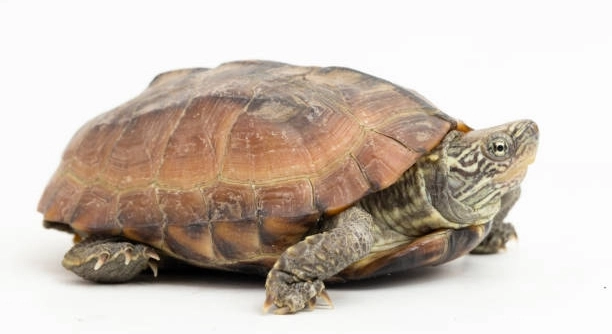
Owning a musk turtle can be a rewarding experience, but it comes with responsibilities that must be carefully considered. These creatures require specific care to thrive in a home environment, and ethical concerns should be addressed.
When keeping musk turtles as pets, there are several ethical considerations to ensure their well-being. These include providing the appropriate habitat, ensuring a proper diet, preventing overpopulation, and understanding the long-term commitment of turtle ownership.
Understanding these ethical factors will guide you in providing a healthy environment for your musk turtle and enhance their overall quality of life.
The Importance of Proper Habitat for Musk Turtles
Musk turtles need a carefully planned habitat to thrive. A spacious tank with both land and water areas is essential. The water should be kept at the proper temperature and filtered to maintain cleanliness. A basking area with a heat source should be available for the turtles to regulate their body temperature. These basic features are necessary for their survival and overall health.
A proper environment encourages natural behaviors, such as swimming and basking, which keeps musk turtles mentally and physically healthy.
Taking time to set up the correct habitat ensures your turtle lives a fulfilling life. Without proper space and conditions, turtles can become stressed, which may affect their health in the long term. It’s crucial to prioritize these elements in your turtle’s care.
Ethical Sourcing and Avoiding Overpopulation
When acquiring a musk turtle, ethical sourcing is key. Supporting reputable breeders or adoption from a rescue center ensures that the turtles come from responsible environments.
Musk turtles, like many reptiles, can be threatened by the illegal pet trade and unsustainable practices. Overpopulation in captivity can lead to overcrowded conditions and unhealthy living situations. It’s important to ensure that your turtle is legally and ethically sourced, which helps maintain the natural balance and prevent harm to wild populations.
Appropriate Diet for Musk Turtles
Musk turtles have specific dietary needs that should be met with a varied menu. A balanced mix of proteins, vegetables, and occasional fruits will support their health. It’s essential to feed them a diet that mirrors what they would find in the wild.
A combination of commercial turtle food, such as pellets, and fresh offerings like earthworms, insects, and leafy greens, works best. This variety ensures they get the necessary nutrients to stay strong and healthy. Overfeeding should be avoided to prevent obesity, which can lead to health complications.
Proper diet helps with digestion, shell growth, and overall vitality. A well-fed turtle is more likely to have a vibrant and active lifestyle. It’s important to remember that not all foods are safe, so research what’s best for your pet and avoid harmful choices.
The Role of UVB Lighting
UVB lighting is essential for musk turtles, as it helps them metabolize calcium and maintain healthy bones and shells. Without proper UVB exposure, turtles can develop metabolic bone disease, leading to weakness and deformities.
UVB light mimics natural sunlight, allowing turtles to synthesize vitamin D3. This is vital for absorbing calcium from their diet. A high-quality UVB bulb should be used in conjunction with a basking area, ensuring they get proper exposure. The light should be replaced regularly, as it loses effectiveness over time.
In addition to UVB, maintaining a day-night cycle with a timer can help regulate the turtle’s biological rhythms. A consistent light schedule mimics the natural environment, promoting better health and behavior.
Handling Musk Turtles with Care
Musk turtles are generally shy and should be handled gently to avoid stress. Holding them for too long or inappropriately can cause them distress, so it’s important to respect their boundaries. When handling, make sure your hands are clean and dry to avoid potential health issues.
Always support their body when picking them up. Avoid grabbing them by the shell or tail, as this can harm them. Handling should be brief and infrequent, as it is not necessary for their well-being. Observing their behavior without forcing interaction is the best approach for a healthy, comfortable pet.
Regular Health Checkups
Regular checkups help prevent health issues and ensure your turtle remains healthy. A visit to a reptile vet can detect any underlying conditions that might not be visible at first glance.
Musk turtles can suffer from respiratory infections, shell rot, or parasites, so routine vet visits can catch problems early. Keeping track of your turtle’s weight, activity, and eating habits is important in identifying any changes that might indicate a health issue. A well-maintained, healthy turtle will show clear signs of vitality.
Importance of Proper Cleaning
Cleaning the tank regularly is essential for your turtle’s health. Stagnant water can lead to bacterial growth, causing infections or skin irritations. Regularly replace the water, clean the substrate, and disinfect any surfaces the turtle comes into contact with.
A clean tank also prevents unpleasant odors and maintains a stable environment for your pet. Make sure to use non-toxic cleaning agents to avoid harming the turtle. By keeping everything clean, you can help prevent diseases and ensure a healthier living space.
FAQ
What size tank do musk turtles need?
Musk turtles require a minimum tank size of 40 gallons for one turtle. If you plan to keep more than one, the tank should be larger, with an additional 10 gallons per turtle. The tank needs to have both water and a land area, with a proper filtration system. The water depth should be sufficient for them to swim freely but not too deep that it stresses them. The land area should allow them to bask comfortably.
How often should I feed my musk turtle?
Musk turtles should be fed 2-3 times a week, depending on their age and size. Young turtles need more frequent feedings because they are growing rapidly. Adults can be fed less often, with 2 feedings per week being sufficient. Always ensure the food is appropriate for their size and nutritional needs. Overfeeding can lead to obesity and health issues, so portion control is important.
Can musk turtles live with other animals?
Musk turtles can be kept with other aquatic animals, but it’s essential to consider the temperament of both the turtle and the other pets. They may not get along with more aggressive species or those that could harm them. Avoid keeping musk turtles with fish that may become prey. In some cases, other turtles can live together, but it’s important to monitor them to avoid territorial disputes or aggression.
How long do musk turtles live?
Musk turtles typically live anywhere from 20 to 30 years with proper care. Their lifespan can vary depending on factors like diet, environment, and health. Ensuring their habitat is suitable and providing them with a proper diet and regular check-ups will help extend their life expectancy. Consistent care is key to keeping them healthy.
Do musk turtles need to bask?
Yes, musk turtles need to bask. Basking is an essential part of their daily routine, helping them regulate their body temperature and metabolize calcium. A basking spot should be provided with a heat source to mimic natural sunlight. Without this, they can develop health issues, including metabolic bone disease. They should be able to climb out of the water to rest in a dry area during the day.
Can musk turtles swim in cold water?
Musk turtles are not suited for cold water. The water temperature should be kept between 75°F to 85°F (24°C to 29°C) for optimal health. Water that is too cold can cause them stress, slow their metabolism, and make them more susceptible to illness. If you live in a colder climate, you may need a tank heater to maintain the right temperature.
How do I know if my musk turtle is healthy?
A healthy musk turtle is active, with clear eyes and a smooth, hard shell. It should swim and bask regularly and eat without any issues. If your turtle is lethargic, has cloudy eyes, or shows signs of abnormal behavior, it could be sick. Regular check-ups with a vet can help detect health problems early.
Can I keep a musk turtle outside?
Musk turtles can be kept outside in a secure, well-maintained pond or enclosure if the climate allows. However, it’s essential that the environment is safe from predators and provides access to both water and a basking area. If temperatures drop below the ideal range, it’s best to bring them back inside to avoid health problems. Make sure the enclosure is escape-proof and has proper filtration for the water.
What do I do if my musk turtle is not eating?
If your musk turtle refuses to eat, it could be a sign of stress, illness, or an unsuitable environment. Check the water quality, temperature, and lighting to ensure everything is appropriate. Offer a variety of foods, including live prey, vegetables, and high-quality turtle pellets. If the issue persists, consult a vet to rule out any health concerns.
Can musk turtles be trained?
Musk turtles are not easily trained like some other pets, but they can learn to associate certain actions with food. For example, they may come to the surface when they see you preparing their food or learn to approach their basking area when the light is turned on. They don’t respond to commands like dogs or cats, but they can become accustomed to regular routines.
Are musk turtles good pets for beginners?
Musk turtles can make good pets for beginners who are willing to invest the time and effort needed to care for them. They require a well-maintained habitat, proper feeding, and regular cleaning. While not as demanding as some other pets, they still require attention and consistent care to stay healthy. If you’re prepared to meet their needs, musk turtles can be rewarding pets.
Final Thoughts
Musk turtles can be rewarding pets for those who are ready to care for them properly. Their quiet and low-maintenance nature makes them appealing, but they still require attention and a suitable environment. Ensuring their tank is large enough, clean, and filled with proper lighting and filtration is essential for their well-being. With the right setup, these turtles can live long, healthy lives. Their care involves a balance of providing them with both water and land areas, so they have enough space to swim, bask, and explore.
While they are generally low-maintenance pets, musk turtles need to be handled with care. Overhandling or stressing them can negatively impact their health, so it’s important to observe them without forcing interactions. They should not be handled frequently or roughly, as it can lead to anxiety or injury. Proper care includes feeding them the right diet, cleaning their habitat regularly, and keeping their environment stable. If you want to keep a musk turtle, it’s important to learn their behavior and needs to create a stress-free home for them.
Overall, owning a musk turtle can be an enjoyable and fulfilling experience, especially for those who have the time and patience to meet their needs. They offer unique companionship with minimal interaction, making them ideal for pet owners who appreciate their independent nature. If you’re willing to invest in the necessary care, you’ll find that musk turtles can thrive in your care for many years. By maintaining their health, providing them with proper nutrition, and creating an appropriate environment, your musk turtle will become a peaceful addition to your home.

Hello,
If you enjoy the content that we create, please consider saying a "Thank You!" by leaving a tip.
Every little bit helps us continue crafting quality advice that supports the health, happiness, and well-being of pets around the world, for pets of all shapes, sizes, and species.
We really appreciate the kindness and support that you show us!