
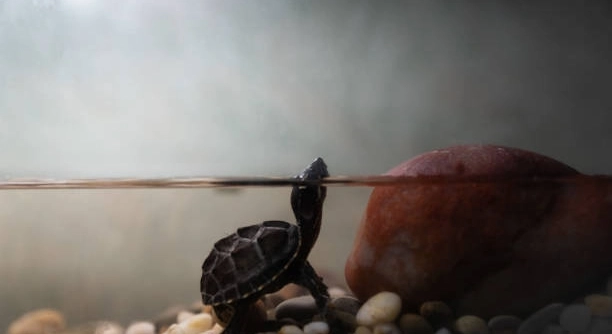
Musk turtles are fascinating creatures, and ensuring their immune system remains strong is key to their health. Proper care and attention can help boost their immunity, allowing them to live longer, happier lives.
The best way to enhance your musk turtle’s immune system involves maintaining a balanced diet, proper habitat conditions, and managing their stress levels. Regular health checks, a clean environment, and appropriate temperature and lighting will support their overall well-being.
These steps will provide your musk turtle with the necessary support for a healthier, more resilient life.
Proper Diet for Your Musk Turtle
A healthy diet is essential for boosting your musk turtle’s immune system. You should offer a variety of foods that meet their nutritional needs, including high-quality pellets, fresh vegetables, and protein sources such as insects, fish, or shrimp. A varied diet ensures your turtle gets the right balance of vitamins, minerals, and other nutrients that support a strong immune system. Avoid overfeeding and ensure that the portions are appropriate for the size and age of your turtle. If you feed them too much, it can lead to obesity, which negatively impacts their overall health and immune function.
In addition to a balanced diet, supplementing with calcium and vitamin D3 can support your turtle’s bone health and immune system. Calcium is crucial for bone growth and strength, while vitamin D3 helps in the absorption of calcium. You can find these supplements in pet stores or from your vet. Just be sure to use the correct dosage to avoid overdosing.
Remember, a well-rounded diet ensures your turtle has the proper nutrients to stay strong and healthy, keeping their immune system functioning at its best.
The Importance of a Clean Environment
A clean environment plays a vital role in maintaining a healthy immune system for your musk turtle.
Proper water quality is one of the most important aspects. Regular water changes and keeping the tank clean prevents harmful bacteria and parasites from harming your turtle. Use a good filtration system to help remove waste and toxins. A clean habitat also reduces the risk of infections, which can weaken your turtle’s immune system. A healthy, safe environment is key to maintaining strong immune health.
Ensure that the tank temperature is regulated, as both extreme cold and heat can stress your turtle. Keeping the tank at the right temperature ensures your turtle’s metabolism works efficiently, supporting their immune system. Proper lighting is also essential for overall health. Without UVB lighting, your turtle may struggle to metabolize calcium properly, weakening their bones and immune system.
Managing Stress Levels
Stress can severely affect your musk turtle’s immune system, making it more susceptible to illnesses.
Keeping stress levels low requires a stable environment. Avoid sudden changes in their habitat, like temperature fluctuations or loud noises. Turtles are sensitive to stress, which can weaken their immune system. Make sure to provide hiding spots in the tank so your turtle can retreat when feeling threatened. Regularly check the water temperature and cleanliness to ensure it’s comfortable. These simple changes can make a big difference in your turtle’s stress levels.
Additionally, ensure you’re not over-handling your turtle. While it’s tempting to interact, too much handling can cause stress, particularly when turtles feel threatened or restricted. Limit the time spent out of the tank and allow them to stay in their natural environment. Stress-free turtles are more likely to stay healthy and maintain a robust immune system.
Regular Health Checks
Routine health checks with a vet are crucial for keeping your turtle’s immune system strong.
Make sure to schedule regular vet visits to monitor your turtle’s health and check for any signs of infections or diseases. A vet can detect health issues early, preventing them from progressing and affecting your turtle’s immune system. These checks also ensure that your turtle’s shell is in good condition, and any potential problems are addressed promptly. Regular visits also help you stay on top of vaccinations or treatments that may be necessary.
Pay attention to changes in behavior, appetite, or appearance. If your turtle shows signs of lethargy, reduced appetite, or abnormal swimming patterns, it could indicate underlying health problems. Catching these signs early will help prevent stress on their immune system. Take proactive steps and stay consistent with health check-ups.
Proper Temperature and Lighting
Maintaining the correct temperature and lighting is essential for your turtle’s immune health.
Musk turtles need a basking area with a temperature of 85-90°F and a cooler side around 70°F. This balance helps regulate their metabolism and immune function. Additionally, UVB lighting is necessary for them to process calcium properly.
Without UVB lighting, your turtle can develop metabolic bone disease, which weakens its immune system. Make sure the lights are positioned correctly and replaced regularly to ensure they continue to provide the necessary UVB radiation.
Provide Hiding Spots
Musk turtles benefit from having hiding spots in their tank.
Creating these safe spaces helps reduce stress, giving your turtle a place to feel secure and comfortable. It’s important to use materials that are easy to clean and won’t harm your turtle.
FAQ
What should I feed my musk turtle to boost its immune system?
To boost your musk turtle’s immune system, offer a varied diet that includes high-quality turtle pellets, leafy greens, and protein sources like fish, shrimp, or insects. The combination of vegetables and proteins provides the essential vitamins and nutrients needed for immune support. Be sure to feed them in appropriate portions to avoid overfeeding, as obesity can weaken their immune system. Supplementing with calcium and vitamin D3 will also help keep their bones strong and support overall health. Avoid feeding them only one type of food to ensure they get all necessary nutrients.
How can I reduce stress for my musk turtle?
Stress can weaken your musk turtle’s immune system, so it’s crucial to keep their environment calm and stable. Ensure their tank has consistent water temperature and quality, and avoid sudden changes. Turtles are sensitive to loud noises or movement, so place their tank in a quiet area of your home. Over-handling should be minimized, as excessive interaction can cause stress. Make sure they have hiding spots in the tank, where they can retreat and feel safe. By reducing stress, you’ll help your turtle stay healthy and maintain a strong immune system.
How often should I clean my musk turtle’s tank?
Keeping your musk turtle’s tank clean is essential for their health. Clean the tank at least once a week to remove debris, uneaten food, and waste. A good filtration system will help maintain water quality in between cleanings. Replace about 25-30% of the water each week to keep it fresh. Thoroughly clean the tank every month, removing algae and checking the condition of decorations or hiding spots. A clean environment prevents bacterial buildup and reduces the risk of infections, which can weaken your turtle’s immune system.
What temperature should I keep my musk turtle’s tank?
Musk turtles require a temperature range of 70-80°F in the water and 85-90°F in their basking area. Maintaining the correct temperature helps regulate their metabolism, which is essential for their immune function. Use a thermometer to monitor the water temperature and ensure it stays within the recommended range. If the temperature is too cold, your turtle’s immune system may be compromised, and they might become lethargic or more susceptible to infections. A reliable heater and thermometer will help you maintain consistent conditions for your turtle.
Do musk turtles need UVB lighting?
Yes, UVB lighting is crucial for your musk turtle’s health. UVB rays help turtles synthesize vitamin D3, which is necessary for calcium absorption. Without UVB exposure, turtles can develop metabolic bone disease, which weakens their bones and immune system. Keep UVB lights on for 10-12 hours a day and replace them every 6 months, as their effectiveness diminishes over time. Be sure to place the light at an appropriate distance from the basking area to ensure your turtle can absorb enough UVB for healthy growth and immune function.
How do I know if my musk turtle is sick?
Signs that your musk turtle may be sick include a loss of appetite, lethargy, abnormal swimming behavior, or changes in their shell appearance. If your turtle has a swollen or soft shell, it could indicate a calcium deficiency or infection. Red, swollen eyes may be a sign of an eye infection. Any unusual behavior, such as staying submerged for extended periods or avoiding food, should be taken seriously. If you notice these signs, it’s important to consult a veterinarian specializing in reptiles to get a proper diagnosis and treatment.
What should I do if my musk turtle has a respiratory infection?
Respiratory infections in turtles are common and can be serious if left untreated. Symptoms may include wheezing, nasal discharge, open-mouth breathing, or swollen eyes. If you suspect your turtle has a respiratory infection, it’s crucial to take them to a vet for treatment. Your vet may prescribe antibiotics or other medications. Ensuring that your turtle’s tank is at the correct temperature and humidity will help prevent future infections. Keeping the environment clean and stress-free also promotes healing and supports the immune system.
Can I keep multiple musk turtles together?
Musk turtles can sometimes live together, but it’s important to monitor their behavior. They may become territorial, especially if there’s not enough space. Providing plenty of hiding spots and separate basking areas will reduce competition. Avoid keeping turtles of different sizes together, as the larger one might bully or harm the smaller one. If you’re introducing a new turtle to the tank, do it gradually to reduce stress and aggression. As long as they’re well-fed and have enough space, musk turtles can coexist peacefully. However, always monitor for signs of aggression.
How often should I take my musk turtle to the vet?
Taking your musk turtle to the vet annually for a check-up is a good practice to ensure they remain healthy. However, if you notice any unusual behavior or signs of illness, such as lethargy or loss of appetite, it’s important to take them to the vet immediately. Early detection of health problems can prevent more serious issues from developing and helps keep their immune system functioning properly. Regular health checks also allow your vet to monitor your turtle’s growth and overall condition.
Final Thoughts
Boosting your musk turtle’s immune system requires a combination of factors, from providing a balanced diet to maintaining a clean and stress-free environment. Feeding them a variety of foods, such as high-quality pellets, leafy greens, and protein, will ensure they receive all the essential nutrients for a strong immune system. Adding calcium and vitamin D3 supplements can further support their health. It’s important to avoid overfeeding and ensure that they are getting proper portions, as obesity can weaken their immune defenses.
Creating a stable and comfortable habitat is equally important. Regularly check water temperature, cleanliness, and lighting to maintain the ideal conditions for your turtle. Consistent temperature and UVB light are essential for your turtle’s well-being, as they help regulate their metabolism and calcium absorption. Also, providing hiding spots in the tank helps reduce stress, which can negatively impact their health. If the environment is calm and comfortable, your turtle is more likely to thrive and maintain a strong immune system.
Finally, regular check-ups with a vet and monitoring your turtle’s behavior are key in maintaining its health. Early detection of illnesses or infections can prevent more serious problems and protect your turtle’s immune system. Pay attention to any changes in your turtle’s behavior, appetite, or appearance. With the right care, your musk turtle will stay healthy and have a strong immune system, ensuring they live a long and active life. Taking proactive steps now will not only improve your turtle’s immune health but also ensure their overall well-being in the long term.

Hello,
If you enjoy the content that we create, please consider saying a "Thank You!" by leaving a tip.
Every little bit helps us continue crafting quality advice that supports the health, happiness, and well-being of pets around the world, for pets of all shapes, sizes, and species.
We really appreciate the kindness and support that you show us!