
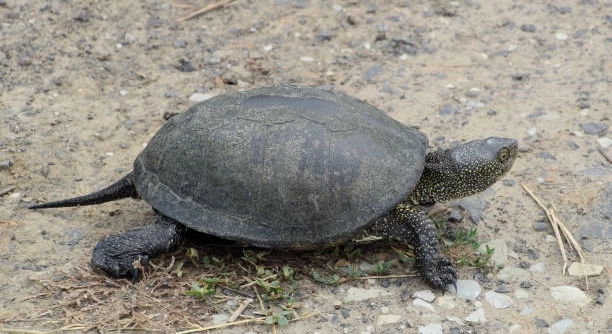
Musk turtles are fascinating creatures with unique survival instincts that allow them to thrive in various environments. Understanding how they adapt to challenges can provide insight into their behavior and natural survival strategies.
Musk turtles rely on a variety of instincts for survival, including their ability to hide in muddy waters, reduce activity to conserve energy, and detect predators through heightened senses. These behaviors help them stay safe and secure in the wild.
These instincts play a crucial role in their survival. Let’s explore the unique traits that enable musk turtles to adapt and thrive.
The Importance of Hiding in Muddy Waters
Musk turtles have a remarkable ability to blend into their surroundings, particularly when they seek shelter in muddy or murky waters. This behavior helps them stay safe from predators, as they can stay almost invisible to their surroundings. When feeling threatened, they often submerge into soft, silty environments where they can hide, resting at the bottom and using the environment as camouflage.
They also use these areas to avoid unnecessary movement, conserving energy and keeping a low profile. By remaining hidden, musk turtles minimize their chances of being spotted. This instinct is vital in areas where predators, such as larger fish or birds, are common.
The ability to retreat into these environments gives musk turtles a significant advantage in avoiding danger. Their survival depends on their instinct to use the environment to their benefit, whether it’s through staying hidden or conserving energy. It’s a simple yet effective strategy that has kept them safe for centuries.
Energy Conservation by Reducing Activity
In challenging environments, musk turtles reduce their activity to save energy. By staying still, they avoid unnecessary movements that could attract predators or waste valuable resources. Their bodies are designed to survive on minimal energy, which is essential for long-term survival.
Sensing Predators with Heightened Senses
Musk turtles rely on their heightened senses to detect potential threats. Their ability to sense vibrations in the water allows them to react quickly to changes in their environment. This early warning system helps them prepare for or escape from predators.
By detecting movements or disturbances in the water, musk turtles can adjust their position or behavior before they are in danger. This ability to sense their surroundings makes them more adaptable in areas with constant risks. It’s not only vital for avoiding predators but also helps in finding food and navigating their environment.
The heightened senses of musk turtles are finely tuned to their environment, making them more aware of potential threats before they even appear. This awareness allows them to act instinctively and hide or flee when necessary, giving them a clear advantage in staying safe.
Camouflage and Survival
Musk turtles’ natural color helps them blend into their environment. Their dark, dull shells and bodies are perfect for hiding among rocks, submerged vegetation, and mud. This instinctual use of camouflage helps them avoid being seen by predators.
When submerged in their habitat, musk turtles rely on the natural camouflage provided by their environment. Their colors mimic those found in muddy, freshwater habitats, making them harder to spot. This helps them remain hidden from both land-based and aquatic predators. This strategy is essential for survival, especially in areas with high predator activity.
The ability to blend into their surroundings is a defense mechanism that has evolved over time. It plays a key role in the turtle’s ability to avoid detection, providing them with a sense of safety even in dangerous waters.
Breathing Through Their Skin
Musk turtles have the ability to absorb oxygen through their skin, a feature that plays a crucial role in their survival. This adaptation allows them to stay submerged for extended periods, reducing their need to surface for air.
By breathing through their skin, musk turtles can remain hidden underwater without the need for frequent breaks at the surface. This is especially important in avoiding predators that might notice their movement. It also allows them to stay in oxygen-rich waters without needing to expose themselves to danger.
This survival mechanism is vital in environments where there may be limited opportunities to surface. Musk turtles can spend longer periods underwater, staying out of sight while still receiving the oxygen they need.
Detecting Changes in Water Chemistry
Musk turtles are highly sensitive to changes in water chemistry, which helps them navigate their environment. Small shifts in water quality, such as temperature or salinity, can signal a change in their habitat or the presence of predators.
By sensing these changes, musk turtles can adjust their behavior accordingly. If the water becomes too warm or polluted, they may seek cleaner, cooler areas. This instinct to detect water chemistry helps them avoid harmful conditions and predators, making them more adaptable to changing environments.
Shutting Down to Conserve Energy
In times of stress or low resources, musk turtles can slow their metabolism and enter a state of dormancy. This state helps them conserve energy, allowing them to survive through periods when food or other resources are scarce.
This survival tactic is especially useful during cold weather when food may be harder to find. By reducing their metabolic rate, musk turtles can extend their energy reserves. This allows them to endure harsh conditions without succumbing to hunger or environmental stressors.
FAQ
Why do musk turtles hide in muddy waters?
Musk turtles hide in muddy waters to protect themselves from predators. The murky environment helps them blend in with the surroundings, making it harder for predators to spot them. It also allows them to remain still and conserve energy. This instinctual behavior is vital for their survival in the wild.
How long can a musk turtle stay underwater?
Musk turtles can stay underwater for several hours at a time. Their ability to breathe through their skin allows them to remain submerged longer than many other turtles. However, the duration depends on water quality and temperature. In colder waters, they can stay submerged for longer periods.
What do musk turtles eat?
Musk turtles are omnivorous and eat a variety of foods, including aquatic plants, small fish, insects, and even snails. They have a strong preference for animal protein, but they will also consume plants when available. Their diet can change based on the environment and available food sources.
How do musk turtles sense danger?
Musk turtles rely on their heightened senses to detect danger. They are particularly sensitive to vibrations in the water, which alert them to the presence of predators. Their ability to sense these disturbances allows them to react quickly, either by hiding or swimming away to safety.
Do musk turtles hibernate?
Yes, musk turtles can enter a form of hibernation during colder months, known as brumation. During this period, their metabolic rate slows down, and they become less active. This allows them to conserve energy when food is scarce, and the water temperature is too cold for regular activity.
Can musk turtles swim in saltwater?
Musk turtles are primarily freshwater creatures and are not adapted to saltwater environments. While they may tolerate brackish water to some extent, they prefer clean, fresh water. Exposure to saltwater for extended periods can harm them, as their bodies are not designed to regulate the salinity.
What predators do musk turtles have?
Musk turtles face threats from various predators, including birds of prey, large fish, and mammals like raccoons. Their main defense is their ability to hide in mud or submerged vegetation, where they remain undetected. When threatened, they may also release a foul-smelling musk to deter predators.
How do musk turtles protect themselves from predators?
Musk turtles protect themselves by hiding in muddy waters or dense vegetation. Their dark, camouflaged shells blend into their surroundings, making them difficult to spot. In addition, they can release a strong-smelling musk from glands near their tail as a defense mechanism when threatened.
Are musk turtles social animals?
Musk turtles are solitary creatures. They prefer to live alone, except during mating seasons or when they are basking in the sun. Unlike some other species, musk turtles do not form groups or communities. They are generally more focused on survival and feeding than on social interaction.
How do musk turtles reproduce?
Musk turtles reproduce by laying eggs, typically in sandy or muddy areas near water. Mating occurs in the spring or early summer, and the female will lay her eggs in a nest she digs herself. The eggs incubate for several months before hatching, with the young turtles emerging in late summer or fall.
Do musk turtles have a good sense of smell?
Yes, musk turtles have a highly developed sense of smell. They use it to detect food and potential mates. Their sense of smell also helps them sense danger from predators, allowing them to take protective actions quickly. This olfactory ability is vital to their survival.
How big do musk turtles grow?
Musk turtles typically grow to be around 4 to 5 inches long, although some species may reach up to 7 inches. Despite their small size, they are tough and resilient, adapting well to their environments. Their size also allows them to hide more easily in their habitats, making them less visible to predators.
What are the signs that a musk turtle is stressed?
Stress in musk turtles can manifest in several ways, including abnormal behavior like excessive swimming, hiding more than usual, or not eating. A stressed turtle may also appear lethargic or have difficulty breathing. If stress is not addressed, it can lead to health issues such as infections.
How do musk turtles communicate?
Musk turtles communicate primarily through body language and, in some cases, by releasing sounds or scents. They may make subtle movements or use their shell to indicate their mood or intentions. When feeling threatened, they may release a musky odor as a warning or a deterrent to potential predators.
What is the lifespan of a musk turtle?
Musk turtles typically live for about 20 to 30 years in the wild, though their lifespan can be shorter in captivity depending on care. Factors such as food availability, environmental conditions, and predation risk can impact their longevity. With proper care, they can live longer in controlled environments.
How do musk turtles adapt to changing water temperatures?
Musk turtles are cold-blooded and rely on external temperatures to regulate their body heat. In colder conditions, they slow down their metabolism and enter a state of dormancy, known as brumation, to conserve energy. In warmer water, they become more active, searching for food and moving around more frequently.
Can musk turtles live in tanks?
Musk turtles can live in tanks as long as they are provided with the proper environment. A tank should mimic their natural habitat, with clean water, appropriate temperatures, and hiding spots. They need both land and water areas, as well as UVB lighting to maintain their health.
What is the best habitat for musk turtles?
Musk turtles thrive in freshwater environments with slow-moving waters, such as ponds, streams, and marshes. They prefer areas with plenty of vegetation, mud, and submerged rocks for hiding. The water should be clean and well-oxygenated to support their respiratory needs.
Do musk turtles need a heat source?
Yes, musk turtles need a heat source, especially in captivity. A basking area with a heat lamp is essential to maintain their body temperature and help with digestion. The water temperature should also be kept within the optimal range, typically between 75-85°F, to ensure the turtle’s health and activity levels.
Final Thoughts
Musk turtles are fascinating creatures with a range of unique survival instincts that help them thrive in their natural habitats. From their ability to breathe through their skin to their sensitivity to changes in water chemistry, these adaptations allow them to survive in environments where other species might struggle. Their ability to hide in muddy waters or slow their metabolism during times of stress are just a few examples of how they maintain their health and avoid predators. Musk turtles are well-equipped to deal with various challenges they face in the wild.
These survival instincts not only make musk turtles resilient but also highlight how closely they are connected to their environment. Their sensitivity to water quality, ability to detect danger, and natural instincts for finding food show just how well they have adapted to their surroundings. These turtles have evolved over time to be effective survivors, making them an essential part of the ecosystems they inhabit. The skills they rely on ensure they are able to live for many years, even in the face of changing environmental conditions.
For those interested in caring for musk turtles, understanding their survival instincts is key to creating the right environment for them. Whether in the wild or in captivity, providing the proper habitat, temperature, and food sources is essential. By mimicking their natural environment as closely as possible, you can help ensure their long-term health and well-being. Musk turtles are remarkable in how they adapt and thrive, making them truly unique animals in the world of reptiles.

Hello,
If you enjoy the content that we create, please consider saying a "Thank You!" by leaving a tip.
Every little bit helps us continue crafting quality advice that supports the health, happiness, and well-being of pets around the world, for pets of all shapes, sizes, and species.
We really appreciate the kindness and support that you show us!