
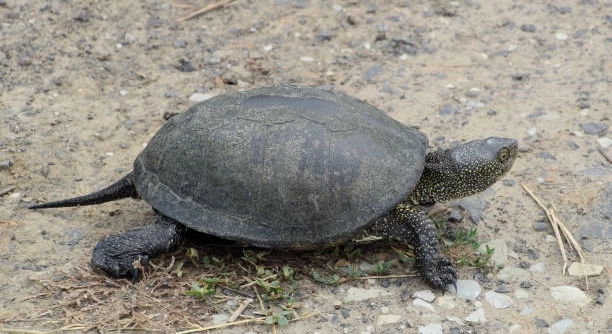
Musk turtles are popular pets, and many turtle owners wonder if their pets can live without basking. Understanding their behavior and needs can help ensure they remain healthy and happy. This article explores this topic and offers solutions.
Musk turtles can survive without basking for a short period, but prolonged lack of basking can lead to health issues such as weakened immunity, shell problems, and metabolic imbalances. Regular basking is essential for their overall well-being.
By understanding the risks and finding solutions, you can provide the best care for your musk turtle. This article will guide you in ensuring they thrive without any unnecessary health concerns.
Importance of Basking for Musk Turtles
Basking is essential for musk turtles because it allows them to regulate their body temperature and absorb ultraviolet (UV) light. UV light helps them produce vitamin D3, which is critical for their shell health and calcium absorption. Without proper basking, turtles can suffer from weakened shells, soft bones, and poor overall health. In the wild, musk turtles spend much of their time basking on rocks or logs to warm up, so replicating this behavior in captivity is vital.
When turtles don’t bask, their immune systems can weaken, making them more susceptible to infections and diseases. A lack of UV light can also lead to metabolic bone disease, which can cause deformities in their shells and other health complications. This is why it’s important to ensure your musk turtle has access to a basking area with the proper lighting and heat source.
To maintain their health, providing them with a basking spot is not just a luxury, it’s a necessity. Regular exposure to warmth and UV light supports their growth and overall well-being, preventing avoidable health issues in the long run.
Risks of Not Basking
Lack of basking can create several health problems for your musk turtle.
One of the most noticeable risks is the weakening of the turtle’s shell. Without basking, their shells may become soft, causing deformities that are difficult to fix. Their immune systems also become less effective, which leaves them more vulnerable to infections. In addition, prolonged periods of inadequate basking can result in metabolic bone disease, making it harder for the turtle to grow properly. These issues are avoidable by simply ensuring your turtle has access to the proper environment. If you notice these symptoms, it’s important to act quickly.
Creating the Right Basking Environment
Creating the right basking environment for your musk turtle doesn’t have to be complicated. First, you’ll need to set up a basking area that includes a heat lamp or UV light, which will provide warmth and UVB radiation. It’s crucial that the temperature in the basking area reaches between 85°F to 90°F (29°C to 32°C) for your turtle to be comfortable.
Ensure that the basking platform is easy for the turtle to climb onto, giving them a safe and dry space to rest. It should be sturdy, as some turtles can be quite active when moving around. Adding some hiding spots around the basking area can help them feel more secure, as musk turtles are known to be shy creatures.
Furthermore, make sure the UV light is the proper type and intensity. UVB lamps should be replaced regularly because their effectiveness diminishes over time, even if the light still appears to be working. A good practice is to replace the bulb every 6-12 months, depending on the manufacturer’s guidelines.
What Happens if Your Turtle Refuses to Basking
If your musk turtle refuses to bask, it’s important to understand why this might be happening.
Sometimes, turtles will not bask if they feel stressed, unsafe, or uncomfortable in their environment. Ensure that the temperature is right and that the basking area is quiet and free from disturbances. Additionally, some turtles may prefer basking at certain times of the day, so patience may be needed.
If the refusal to bask continues, it could indicate an underlying health issue. Your turtle may be dealing with a condition like a respiratory infection, which makes it difficult for them to stay active. If you notice other signs, such as lethargy or changes in eating habits, it’s best to consult with a vet to rule out health concerns.
Risks of Insufficient Basking Time
Musk turtles that don’t bask enough may face a range of health issues. Their shells can become weak, and they may struggle with calcium absorption. Over time, this leads to more serious complications like metabolic bone disease, which can severely impact their quality of life.
Turtles depend on basking not just for warmth but for UVB light, which is necessary for synthesizing vitamin D3. Without this vitamin, calcium in their diet can’t be properly absorbed, leading to soft or deformed shells. Prolonged lack of basking may also weaken their immune system, making them more prone to illnesses and infections.
The lack of basking can also cause a decrease in energy levels. Musk turtles are more likely to become lethargic and lose their natural swimming and hunting instincts. These issues can become irreversible if not addressed in time, affecting their overall well-being and longevity.
How to Encourage Basking Behavior
If your turtle is hesitant to bask, you may need to adjust its environment. Sometimes, they avoid basking due to low temperatures or a lack of proper lighting.
Ensure the basking area is the right temperature. It should be warm enough for your turtle to regulate its body heat effectively. Adding a heat lamp that mimics the sun’s warmth can also help. Make sure the lamp is positioned in a way that provides consistent heat to the basking spot. Also, check that the UVB light is strong enough and not too old.
By creating a comfortable, secure basking area, you’ll encourage your musk turtle to spend more time there. Sometimes, adding plants or creating more hiding spots around the basking zone can make your turtle feel safer and more likely to bask. If your turtle still refuses, monitor its health closely.
Alternatives to Basking
If your musk turtle can’t bask as usual, there are a few alternatives to help ensure it stays healthy. Using a well-designed basking lamp setup is key. A UVB light that mimics natural sunlight is essential. If basking isn’t an option, consider providing extra heat sources.
Adding a heat mat or using a submersible heater to maintain the proper water temperature can help. It won’t replace basking, but it will help your turtle maintain warmth. If you can’t provide a basking spot, keeping the water temperature between 75°F to 80°F can still help your turtle stay active and healthy.
Ensure the turtle has access to proper food and supplements, especially calcium, to prevent health issues that arise from insufficient basking. Even if your turtle doesn’t bask much, maintaining a balanced diet will support its immune system and shell health.
Common Signs of Basking Deficiency
A musk turtle not basking enough may show several symptoms. These include lethargy, soft or deformed shells, and difficulty moving around.
If your turtle stops basking regularly, monitor it closely for signs of poor health. Look for changes in its appetite or behavior. Turtles that are avoiding basking might also appear sluggish or have swollen eyes. If you notice these issues, it’s best to adjust their environment immediately.
Health Problems from Prolonged Lack of Basking
Without adequate basking, your musk turtle may experience serious health problems like metabolic bone disease (MBD). This condition is caused by a lack of UVB light, which is essential for calcium absorption. Without proper calcium, a turtle’s bones and shell can become soft and brittle.
MBD can lead to painful deformities and issues with movement. Your turtle may also have difficulty swimming, as their bones become too weak to support their usual activity. Treating MBD involves improving basking habits, using calcium supplements, and providing appropriate lighting. If left untreated, this condition can severely affect their long-term health.
FAQ
Can my musk turtle live without basking?
Yes, musk turtles can survive for a short period without basking. However, prolonged lack of basking can lead to severe health issues like metabolic bone disease, shell deformities, and weakened immunity. Regular access to a basking area is vital for maintaining their health.
How long can a musk turtle go without basking?
Musk turtles may go without basking for a few days, but it’s not ideal. If they don’t bask for an extended period, it can lead to issues like soft shells and poor calcium absorption. It’s important to ensure they have a proper basking area as soon as possible.
What if my musk turtle refuses to bask?
If your musk turtle refuses to bask, check the temperature and lighting of the basking area. Turtles might avoid basking if the temperature is too low, the light is too harsh, or they feel insecure. You can also try changing the position of the basking spot to see if that encourages them to bask more often.
What temperature should the basking area be for a musk turtle?
The basking area should be between 85°F and 90°F (29°C to 32°C). This range allows your musk turtle to regulate its body temperature effectively. It’s important to use a heat lamp that provides consistent warmth and UVB light for their health.
Do musk turtles need UVB light?
Yes, UVB light is crucial for musk turtles. It helps them produce vitamin D3, which is essential for calcium absorption and shell health. Without proper UVB exposure, they can develop metabolic bone disease and other health problems.
How can I tell if my musk turtle has metabolic bone disease?
Signs of metabolic bone disease in musk turtles include soft, deformed shells, difficulty moving, lethargy, and poor appetite. If you notice any of these symptoms, it’s important to consult with a vet immediately. The condition can be reversed if treated early with proper UVB exposure, calcium supplements, and diet adjustments.
Can I use a regular light bulb for my turtle’s basking area?
No, regular light bulbs are not enough for providing the necessary UVB light. You’ll need a special UVB bulb designed for reptiles. These bulbs provide the necessary radiation to help your musk turtle synthesize vitamin D3. Regular light bulbs only provide warmth but not the UVB that turtles need for proper health.
How often should I replace the UVB bulb?
UVB bulbs should be replaced every 6-12 months, depending on the manufacturer’s instructions. Even if the bulb is still lit, it may lose its UVB effectiveness over time. Replacing the bulb regularly is necessary to ensure your turtle receives proper UVB exposure.
Can I keep my musk turtle in a tank without a basking area?
No, a basking area is essential for the health of your musk turtle. It provides not only warmth but also access to UVB light. Without a proper basking area, your turtle will be at risk for health issues like metabolic bone disease and a weakened immune system.
What type of water should I keep in my musk turtle’s tank?
The water should be clean and kept at a temperature between 75°F and 80°F (24°C to 27°C). Musk turtles are aquatic creatures and need clean water to stay healthy. A good filtration system is important to remove waste and keep the water clear.
Do musk turtles need to be fed while they bask?
Musk turtles do not need to eat while basking. Basking is a time for them to warm up, dry off, and absorb UVB light. You should provide food separately, usually after they’ve had some time to bask and warm up.
How often should I feed my musk turtle?
Musk turtles should be fed 2-3 times a week, depending on their age and size. Young turtles may need more frequent feedings, while adults can eat less often. Provide a balanced diet that includes protein, vegetables, and calcium to support their health.
Can I use a heat mat for my musk turtle?
Yes, a heat mat can be helpful for maintaining the temperature in your turtle’s tank. However, it shouldn’t replace the basking area. The mat can help warm the water, but you’ll still need a basking spot with a heat lamp and UVB light for the best care.
What happens if the basking spot is too hot for my turtle?
If the basking spot is too hot, it can cause your turtle stress or even burn them. Make sure the temperature does not exceed 90°F (32°C) in the basking area. If the spot is too hot, move the heat lamp further away or adjust the thermostat.
Is it okay for my musk turtle to bask in direct sunlight?
Direct sunlight can be beneficial for your musk turtle, as long as they are not exposed for too long and the temperature is comfortable. However, it’s safer and more controlled to provide UVB lighting from a proper bulb in their tank.
Can my musk turtle live with other turtles?
Musk turtles can live with other turtles, but it depends on their species and temperament. They are generally peaceful but may become territorial if they feel crowded. Always monitor their interactions to make sure they are getting along and not stressed.
How can I make my musk turtle’s tank more natural?
To make the tank feel more natural, you can add plants, rocks, and driftwood. These elements help mimic their natural environment and provide hiding spots, which can make your turtle feel more secure. Just make sure all the decorations are safe and won’t harm your turtle.
Final Thoughts
Caring for a musk turtle requires understanding its natural habits and providing the proper environment. Basking plays a crucial role in maintaining your turtle’s health. Without access to a proper basking area, your turtle can suffer from health issues like weakened shells, poor calcium absorption, and weakened immunity. While musk turtles can survive for a short period without basking, it’s essential to set up a basking area that mimics their natural environment. This means providing heat lamps, UVB light, and a dry space for them to rest. If they refuse to bask, make sure the area is comfortable, with the right temperature and security.
It’s important to remember that a healthy musk turtle relies on more than just basking. Their diet, water temperature, and overall care also impact their well-being. Regularly check the temperature of the basking area, replace the UVB light bulb as needed, and monitor their eating habits. Providing a well-balanced diet with proper calcium and other essential nutrients will also help prevent health issues. Ensuring the right water conditions, like temperature and cleanliness, is equally important. Your turtle’s habitat should be a balance of warmth, safety, and comfort to allow it to thrive.
If you notice any signs of health issues, such as soft or deformed shells, lethargy, or changes in eating behavior, it’s important to address them promptly. This could be a sign that your turtle isn’t getting the right amount of basking time or is facing other health challenges. In some cases, seeking advice from a reptile vet is the best way to ensure your turtle’s long-term health. By setting up a proper basking area, maintaining their habitat, and offering a healthy diet, your musk turtle can lead a happy and healthy life.

Hello,
If you enjoy the content that we create, please consider saying a "Thank You!" by leaving a tip.
Every little bit helps us continue crafting quality advice that supports the health, happiness, and well-being of pets around the world, for pets of all shapes, sizes, and species.
We really appreciate the kindness and support that you show us!