
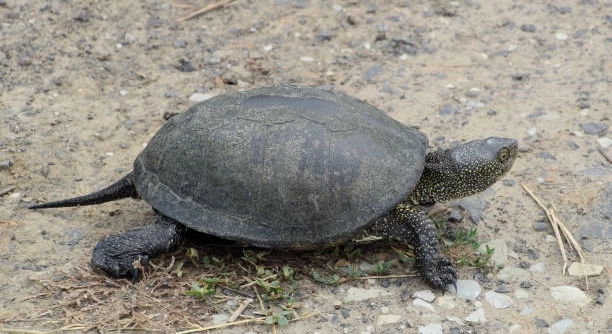
Teaching your musk turtle to take food from your hand can be a fun and rewarding experience. With patience and consistency, your turtle can learn to associate you with food and come closer when offered a treat.
To teach your musk turtle to take food from your hand, you need to start by building trust and creating a positive feeding routine. Gently offer food in your hand, and avoid sudden movements that may startle the turtle, fostering a calm environment.
This article will guide you through practical tips to help you train your turtle to eat from your hand with ease.
Establish a Routine
Creating a consistent feeding schedule is key to teaching your musk turtle to take food from your hand. Turtles thrive on routine, and they will start to recognize when it’s time to eat. Pick specific times each day to offer food, ideally when your turtle is most active. Avoid overfeeding, as it can make your turtle uninterested in food. When you feed them, use the same spot in their tank to encourage familiarity. This will help your turtle feel secure and comfortable during feeding time.
Consistency builds trust, and soon enough, your turtle will expect food from you at the same time. This predictable routine makes it easier for them to get used to your presence and hands during feeding. The more relaxed and calm the environment, the faster they’ll learn to come closer.
Eventually, your turtle will begin to approach you more eagerly. Repetition helps them learn to associate your presence with food, making them feel safe and eager to take food from your hand. A calm, consistent approach is the best way to build that trust.
Avoid Sudden Movements
Turtles can be easily startled by quick movements. It’s important to keep your actions slow and gentle when offering food to your musk turtle. Sudden gestures can cause them to retreat or become stressed. By moving calmly, you create a safer, more inviting atmosphere for your turtle to approach you.
Turtles are cautious creatures by nature, and they need time to adjust to new experiences. If you’re too fast or abrupt, it might make them hesitant to trust you. Instead, try slowly moving your hand toward them while maintaining a relaxed posture. Avoid loud noises or sudden splashes, as they can make your turtle feel threatened. Patience is key when trying to establish this connection.
After some time, your turtle will feel more comfortable approaching your hand. As the bond grows, they’ll become less fearful of your movements and more willing to interact with you. Just remember to always be gentle, and avoid startling them with sudden shifts or quick motions.
Offer Tasty Treats
To encourage your musk turtle to take food from your hand, it helps to offer their favorite treats. This could be pieces of fish, worms, or specially designed turtle food. If your turtle has a preferred snack, use it to motivate them to approach you.
Start by holding the treat near the turtle’s mouth. Gently move your hand to their level, so they don’t feel intimidated. You can try offering food when the turtle is most active, which might make them more responsive. Using a variety of treats, especially ones they really enjoy, can help create positive associations with eating from your hand. This will reinforce the idea that your hand brings them food.
Once your turtle starts getting used to the hand offering, try holding the food a bit longer in front of them. If they show interest, let them nibble at the treat while it’s in your hand. Over time, this interaction will feel more natural, and your turtle may willingly reach for the food. Remember, patience is crucial here.
Be Patient and Gentle
Patience is essential when teaching your musk turtle to eat from your hand. Every turtle is different, and it may take some time for them to feel comfortable enough to take food from you. Don’t rush the process, and allow them to move at their own pace.
Start by sitting near your turtle without making any sudden moves. Gradually, you can offer food without forcing interaction. Some turtles may take longer to trust you, but staying calm and consistent is key. Over time, your turtle will become more familiar with your presence and the idea of eating from your hand. Avoid any behaviors that might stress them out.
If your turtle doesn’t take food immediately, don’t give up. Try again during the next feeding time. They may need time to adjust to you being a source of food. The more you try, the more likely it is they will start taking food directly from your hand. Patience will eventually pay off.
Keep the Tank Clean
A clean tank environment encourages your musk turtle to be more active and comfortable, making it easier to feed them by hand. Turtles are sensitive to their surroundings, and a dirty tank can make them hesitant to approach food.
Regularly clean the tank and remove any waste or debris. This helps create a safe, stress-free space where your turtle can focus on eating. A clean environment also promotes good health, making your turtle more willing to interact. Ensure that water quality is maintained, as this can influence their behavior and eating habits.
When the tank is tidy, your turtle will feel more secure and less likely to retreat when you offer food. A healthy, clean tank encourages positive interactions and makes the training process smoother.
Observe Feeding Behavior
Observe your turtle’s behavior during feeding times to understand when they are most comfortable eating. This can give you clues about when to offer food from your hand. Some turtles may prefer to feed in the morning, while others might be more active in the evening.
Pay attention to how your turtle responds when you place food in the tank. If they seem hesitant, it may be a sign they need more time to adjust. By understanding their feeding behavior, you can adjust your approach and timing to suit their preferences. Over time, this can help improve your chances of successfully feeding them from your hand.
Make Slow Movements
Turtles tend to get spooked by fast movements. When you’re trying to hand-feed, take slow, deliberate actions. Gradually move your hand closer to your turtle’s face, without rushing. Keep your hand low and still, as quick motions may make them feel threatened.
FAQ
How long will it take for my musk turtle to take food from my hand?
The time it takes for your musk turtle to eat from your hand varies depending on their personality and how comfortable they are with you. Some turtles may take just a few days, while others might need weeks or even months to trust you. Be patient and consistent with your approach, and avoid rushing the process. If your turtle shows no interest at first, try again at a later feeding time. Over time, with positive reinforcement, your turtle will likely begin to take food from your hand.
What should I do if my turtle is scared of me?
If your turtle seems scared of you, it’s important to give them time to adjust. Avoid forcing interactions and let them come to you at their own pace. Start by sitting quietly near their tank without making sudden movements. Gradually introduce your hand by holding food close to them, but don’t try to touch them. If your turtle feels threatened, they may hide or swim away. Be patient and create a calm environment, which will help them associate you with positive experiences over time.
Can I train my musk turtle to take food from my hand if they’re not hungry?
It’s possible, but it may be more difficult. Turtles are more likely to respond to food when they are hungry or actively foraging. If you try to hand-feed them when they aren’t interested in eating, they may not take the food. If you want to train them, try offering food when they seem most active and hungry. You could even reduce their food supply a bit, but be careful not to underfeed them or cause them stress. A hungry turtle will be more motivated to take food from your hand.
Can I use pellets or other foods to hand-feed my turtle?
Yes, you can use pellets, but it’s important to make sure they’re appropriate for your turtle’s diet. Musk turtles enjoy a variety of foods, including fish, worms, and even some vegetables. If you’re using pellets, make sure they’re high-quality and designed for turtles. Start by offering the pellets in your hand and see if your turtle shows interest. Using a mix of their favorite treats, such as live food, may help encourage them to take food from your hand more quickly.
What if my turtle refuses to take food from my hand?
If your turtle refuses to take food from your hand, don’t get discouraged. This is a normal part of the process. Try offering food at different times of the day when your turtle might be hungrier. You can also try holding the food closer to their mouth, or gently moving your hand around their face to encourage curiosity. Keep in mind that turtles have different personalities, and some may be more cautious than others. With patience, consistency, and a calm environment, your turtle will likely become more willing to take food from your hand.
How can I tell if my musk turtle is stressed?
There are several signs that may indicate stress in your musk turtle. They may hide more than usual, swim erratically, or refuse to eat. If your turtle starts acting more aggressively or becomes withdrawn, it could be a sign that they are stressed. Ensure their tank is clean, the water quality is good, and that they’re not being overstimulated by too much interaction. If stress continues, it’s a good idea to check their environment and possibly consult a vet to rule out health issues.
Should I stop hand-feeding if my turtle starts snapping at me?
If your turtle starts snapping at you, it’s important to stop and reassess the situation. Snapping is a defense mechanism, and it may indicate that they feel threatened. Give your turtle some space and avoid getting too close to them until they are calmer. Start reintroducing hand-feeding slowly, using food to build trust again. Make sure to move slowly, and avoid any sudden gestures that may cause them to feel threatened. It’s important to let your turtle feel safe and comfortable during the hand-feeding process.
Can I train multiple musk turtles to eat from my hand?
Yes, you can train multiple musk turtles to eat from your hand, but it may take a bit more time and attention. Each turtle will need to learn at their own pace, so it’s essential to provide individual feeding opportunities. If you have more than one turtle, consider feeding them separately to avoid competition for food. Once each turtle is more comfortable, you can try feeding them together, but make sure they are not stressed by the presence of others. Keep in mind that some turtles may be more dominant than others and may be quicker to take food from your hand.
Is it safe to hand-feed my musk turtle?
Hand-feeding your musk turtle is generally safe, as long as you follow a few guidelines. Always wash your hands before and after feeding to prevent transferring any harmful bacteria to your turtle or their habitat. Be cautious when offering food to avoid getting your fingers too close to their mouth, as turtles can snap unexpectedly. If you follow these safety precautions, hand-feeding can be a safe and enjoyable experience for both you and your turtle. Just be sure to avoid offering food that could be harmful to them, such as anything toxic to turtles.
Training your musk turtle to take food from your hand requires patience and consistency. It may take some time for your turtle to become comfortable enough to approach and feed from your hand, but it’s important not to rush the process. Each turtle is unique, and their response to training will vary. Some turtles may become accustomed to hand-feeding quickly, while others may need more time to build trust. Regardless of how long it takes, staying calm and patient is key. By creating a safe and familiar environment for your turtle, you can make the experience more positive for both of you.
Consistency is essential when training your turtle. Offering food at the same time each day and using the same spot in their tank helps them recognize feeding time. Using their favorite treats or offering food they are most excited about can also encourage your turtle to take food from your hand. While food is a great motivator, you should also avoid overfeeding, as that could make your turtle lose interest in eating from your hand. The goal is to create a routine that both you and your turtle are comfortable with. As your turtle starts to feel more at ease, they will become more likely to approach and take food from your hand.
Lastly, always be mindful of your turtle’s behavior and well-being. If your turtle seems stressed or frightened, take a step back and give them space. Creating a calm, clean, and stress-free environment will help them feel safe and more willing to engage with you during feeding. Hand-feeding can be a rewarding experience for both you and your turtle, but it’s important to ensure that you’re not overwhelming them. Over time, as you continue to practice patience and build trust, your musk turtle will likely begin to enjoy the interaction and look forward to taking food from your hand.

Hello,
If you enjoy the content that we create, please consider saying a "Thank You!" by leaving a tip.
Every little bit helps us continue crafting quality advice that supports the health, happiness, and well-being of pets around the world, for pets of all shapes, sizes, and species.
We really appreciate the kindness and support that you show us!