
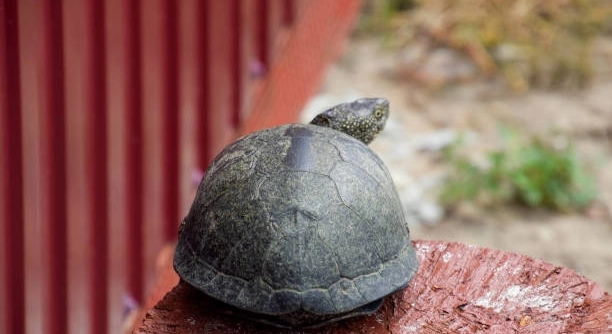
Teaching your musk turtle to come when called can be an enjoyable and rewarding experience. With patience and consistency, your turtle can learn to respond to your cues in no time.
The key to teaching a musk turtle to come when called lies in positive reinforcement and repetition. Using food or treats, along with a consistent call, helps the turtle associate the sound with something rewarding, making it more likely to respond.
By following these simple steps, you can help your musk turtle learn and respond to your calls, creating a stronger bond between you and your pet.
Understanding Your Musk Turtle’s Behavior
Musk turtles are intelligent creatures, but they can be a bit shy when it comes to interacting with humans. Unlike some other pets, they don’t naturally seek out human attention. With the right approach, you can teach them to respond to specific cues like a call. It’s important to create a safe, comfortable environment for your turtle. Stress or fear can make training more difficult, so ensure your turtle feels at ease. Patience is key.
Turtles are more likely to respond when they trust you. This makes establishing a routine and offering rewards an effective training method.
To begin, ensure your turtle’s habitat is quiet and calm. The less stress your turtle experiences, the better its chances of focusing on your call. Create a pattern where your turtle associates your voice with something positive, like food. Over time, your turtle will begin to recognize that coming toward the sound means a reward.
The Right Tools for Training
Creating an effective learning space for your turtle is crucial. You need to use high-quality food that your turtle loves and can easily access.
Musk turtles are food-motivated, so use their favorite treat to build a connection. Offer treats only when they respond to your call. This builds a clear association between the action and the reward. The key here is consistency, as turtles can take some time to make the connection. Repetition is essential, so practice regularly. It’s also helpful to call them from a short distance initially, slowly increasing the range. Keep training sessions short and positive to avoid overwhelming them. This method helps your turtle recognize the sound of your voice as something enjoyable. With consistent reinforcement, your turtle will start responding faster, making training progress smoothly.
Using Repetition and Consistency
Consistency is one of the most important factors when training your musk turtle. The more you repeat the process, the quicker your turtle will learn.
Start by using the same call every time you offer a treat. This helps your turtle identify the sound with something positive. Over time, your turtle will associate the sound with the action of coming toward you. Make sure to practice regularly, ideally once or twice a day. Repetition solidifies the connection, and the more you do it, the more natural it will become for your turtle. It may take several weeks of consistent training, but don’t get discouraged.
While consistency is key, remember that turtles have their own pace. It may take time before your turtle fully understands. Don’t rush the process. Take things slow, and reward your turtle every time it responds. Repetition will help them understand what’s expected. Small steps and patience will lead to progress, making your training sessions more effective.
Positive Reinforcement Techniques
Positive reinforcement is an effective way to train your musk turtle. By rewarding your turtle for coming when called, you create a connection between the call and the reward.
Use treats that your turtle loves to keep them motivated. Each time your turtle comes to you, offer the treat immediately. This reinforces the behavior. The goal is to make sure your turtle connects the sound of your call with the expectation of a treat. Start by offering the treat right in front of them, then gradually move it further as your turtle gets better at responding. Make sure to praise or give a gentle petting when your turtle responds. This builds trust and makes the training process enjoyable for both of you. The key is to always reward the right behavior, not the wrong one.
When you reinforce good behavior consistently, your turtle will begin to respond more quickly. This method also helps with building trust, as the turtle learns that your call brings something pleasant. Stay patient, and keep rewarding small steps of progress. Your turtle will gradually improve over time.
Avoiding Overwhelming Your Turtle
It’s important not to overwhelm your musk turtle during training. Keep the sessions short and positive.
Turtles can get stressed if training lasts too long, which can hinder their progress. Aim for 5-10 minute sessions, focusing on one key task at a time. Always end on a positive note.
Creating a Calm Environment
The training environment plays a big role in your turtle’s success. Make sure it’s quiet and free from distractions.
Stress can prevent your turtle from focusing on the task at hand. A calm environment allows them to concentrate on the training and associate your call with something positive.
FAQ
How long will it take for my turtle to respond to my call?
The time it takes for your musk turtle to respond to your call depends on its individual temperament and how consistent you are with training. Some turtles may pick it up quickly, while others may take a few weeks or even longer. Patience is key. If you’re consistent with your calls, rewards, and training environment, you should see some progress within a few weeks. It’s important not to rush the process, as turtles need time to form associations.
What kind of treats should I use to train my musk turtle?
Musk turtles are typically motivated by food, so choosing their favorite treats is essential. Small, easy-to-eat treats like mealworms, bits of shrimp, or small pieces of fish work well. You can also use turtle pellets or fresh vegetables. Make sure the treats are nutritious and appropriate for your turtle’s diet. Avoid overfeeding with treats, as it can lead to an unhealthy diet. Experiment with different options to see what your turtle responds to the most.
Can I train my turtle in its tank?
Yes, you can train your turtle in its tank. In fact, it’s often a good idea to train them in their usual environment, as they’ll feel more comfortable. Start by calling your turtle from a short distance and rewarding them with a treat when they come toward you. You can gradually increase the distance as they begin to respond. Ensure the training area is quiet and free from distractions, as this will help your turtle focus better.
How can I prevent my turtle from getting bored during training?
To keep your turtle engaged, vary your training sessions. Change up the distance from which you call them or the type of reward you give. You can also add some toys or environmental changes to keep their interest. Short and varied sessions will prevent your turtle from getting bored. Additionally, ensure that your turtle is not overwhelmed by making training sessions brief and positive.
What should I do if my turtle doesn’t seem to be learning?
If your turtle is not responding as expected, take a step back and assess the situation. Ensure you’re using positive reinforcement and not overwhelming your turtle with long sessions. It could also be that the treats you’re using are not motivating enough, so try different options. Keep training consistent and try practicing more frequently but in shorter bursts. It may also help to reduce any potential distractions and make sure the environment is calm and quiet. Some turtles simply take longer to learn, so patience is essential.
Is it necessary to train my turtle to come when called?
While it’s not absolutely necessary to train your turtle to come when called, it can help strengthen the bond between you and your pet. Additionally, it can be helpful for getting your turtle to come out of hiding or into its enclosure during feeding time. This skill also provides an opportunity for mental stimulation, which is good for your turtle’s overall well-being.
Can I train my turtle to do other tricks?
Yes, musk turtles are capable of learning other tricks beyond coming when called, though they may not learn as quickly as some other animals. With patience, you can teach them to respond to other cues, such as coming to a certain spot or touching a target. Training should be based on positive reinforcement, and each trick should be introduced gradually. Keep sessions short and focused to avoid overwhelming your turtle.
Should I use a clicker to train my turtle?
Clicker training is an option, but it’s not always necessary for musk turtles. If you’re consistent with your voice and rewards, your turtle can learn without the clicker. However, if you feel the clicker might help, it can be used to mark the moment your turtle does something right. When using a clicker, it’s important to immediately follow the click with a reward to reinforce the behavior. Some turtles may respond better to this method, while others may not need it at all.
Can my turtle be trained to follow a specific path or obstacle course?
Yes, it’s possible to train your turtle to navigate a specific path or obstacle course. Start with simple steps and gradually increase the difficulty as your turtle becomes more comfortable. Use treats to guide them along the path, and reward them when they complete each step. Keep in mind that turtles learn at their own pace, so be patient and make sure the obstacles are safe and not stressful.
What if my turtle seems stressed or scared during training?
If your turtle is showing signs of stress, such as retreating into its shell or avoiding the training area, it’s important to stop the session immediately. Stress can hinder your turtle’s learning process and damage the trust you’ve built. Ensure that the environment is quiet and comfortable, and never force your turtle to participate. Gradually reintroduce training in a calm manner and reduce the duration to make it a more positive experience.
Training your musk turtle to come when called can be a fun and rewarding process, but it does take patience and consistency. By using positive reinforcement, such as treats and gentle praise, your turtle will begin to associate the sound of your voice with something rewarding. It’s important to remember that turtles are not as fast to pick up commands as some other pets, so it may take time before your turtle consistently responds. Keep training sessions short and positive, and be patient as your turtle learns at its own pace.
The key to success is creating a calm, stress-free environment for your turtle. Make sure there are no distractions, and try to train them in a quiet space where they feel comfortable. Over time, your turtle will start to associate the call with food or other rewards, which can make the process smoother. Avoid overwhelming your turtle with long training sessions, as they can become stressed or tired. Short, frequent sessions work better and help your turtle focus on learning. If your turtle seems stressed or disinterested, take a break and try again later.
Consistency is essential in training. Make sure to use the same call every time, and reward your turtle each time it responds correctly. This helps reinforce the behavior and encourages your turtle to keep learning. Even if progress seems slow, keep going with the same method, and avoid getting frustrated. With time and practice, your turtle will learn to come when called. While it may take a few weeks, the effort will be worth it when you notice your turtle responding to you more quickly. By building trust and using consistent positive reinforcement, you’ll create a stronger bond with your musk turtle.

Hello,
If you enjoy the content that we create, please consider saying a "Thank You!" by leaving a tip.
Every little bit helps us continue crafting quality advice that supports the health, happiness, and well-being of pets around the world, for pets of all shapes, sizes, and species.
We really appreciate the kindness and support that you show us!