
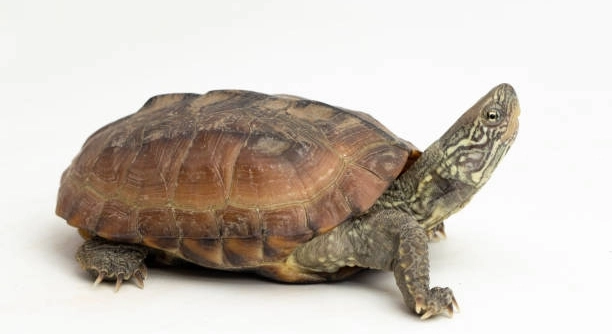
Musk turtles are fascinating creatures, often displaying unique behaviors that can leave owners wondering about their actions. If your musk turtle follows you around, there may be several reasons behind it. Let’s explore this intriguing behavior.
Musk turtles may follow their owners due to curiosity, seeking attention, or even because they associate their presence with food. Additionally, they may feel safe and comfortable in your company, perceiving you as a source of security and care.
Understanding why your musk turtle follows you around can offer insights into their needs and behavior. There are various factors involved, each contributing to this behavior in different ways.
Curiosity: A Natural Instinct
Musk turtles are naturally curious creatures. They often explore their surroundings by following movement or investigating new things, including their owners. If you move around the room, your turtle may simply be curious about where you are going. It might follow you just to see what you’re up to, especially if it hasn’t been around you for a while. The presence of movement in its environment is a trigger for these inquisitive reptiles, and they may follow to make sure they’re not missing something important. This behavior is very common and natural in young turtles, though older ones may still show interest in their surroundings.
As creatures of habit, they often feel more comfortable when they can observe everything closely, especially if you’re part of their daily routine. It’s just their way of staying connected.
Turtles follow because they find security in knowing where their favorite person is, especially in an environment they can’t fully control. If the space is new or unfamiliar, your turtle may rely on you as a constant source of stability. This connection can lead them to mimic your movements, whether it’s following you to a new spot or lingering nearby.
Seeking Attention
Another reason your musk turtle follows you could be because it craves attention. While these reptiles may not show affection the way mammals do, they have their own ways of connecting with you. They might follow you in hopes of getting a reaction, like being petted or talked to. If you’ve interacted with your turtle regularly, it might associate you with comfort, security, and even playtime.
When turtles are given attention, they often respond by becoming more comfortable and active. A turtle might follow you if it has learned that doing so will result in a positive interaction, whether it’s being picked up, fed, or simply being acknowledged. These moments of attention are enjoyable for them, as they associate it with care and safety.
For many turtle owners, the bond they form with their pet can be a simple yet rewarding experience. Turtles can recognize their owners’ presence, and over time, this connection can lead to behaviors like following you. If your turtle looks to you for companionship, it might follow you simply because it wants to engage and enjoy some quality time with you. This behavior is an important part of your relationship with your turtle.
Food Motivation
Musk turtles often follow their owners because they associate them with food. If you feed your turtle regularly or are in the habit of offering treats, it might follow you, expecting a meal. Turtles can quickly learn to recognize patterns, and they may connect your presence with feeding time.
If your turtle is hungry, it might follow you around in hopes of food. This behavior is especially common when feeding times are consistent. Turtles rely on their sense of smell, and if they detect food near you, they’ll likely follow you closely. Even if you’re not feeding them, they may still associate you with their food source.
The idea of food triggers instinctual responses in many animals, and musk turtles are no exception. Their simple yet effective ability to learn food routines means they’ll associate your movements with the anticipation of being fed. In turn, this may lead them to follow you more closely, showing that they trust you as a provider.
Comfort and Safety
Turtles follow their owners because they feel safe around them. Musk turtles, like many pets, are creatures of habit, and they thrive in environments where they feel secure. If you are a consistent and trusted figure in their life, they may follow you for reassurance and safety.
When your turtle feels stressed or uncertain, it will often seek comfort in familiar surroundings or figures. Your presence can provide a sense of calm. As a result, it may follow you around as a way of feeling grounded. The constant movement or presence of their trusted owner reduces anxiety.
The bond between a turtle and its owner develops through routine interactions. When your turtle senses that you offer stability, it’s more likely to engage with you. Following you around may not only be a sign of attachment but also a way to maintain emotional security.
Exploration
Musk turtles are naturally curious and love exploring their environment. Following you around could simply be part of their exploration process. They might be trying to figure out more about their surroundings, and your movements could spark their curiosity.
Your turtle may follow you to new spots, trying to understand the space. By moving around the house or yard, you provide your turtle with an opportunity to learn and explore. This behavior is similar to how turtles investigate unfamiliar objects, looking for anything that might be of interest. It’s a way for them to learn.
Social Bonding
Musk turtles can form simple social bonds with their owners. When your turtle follows you, it may be seeking interaction, either because it has learned to associate you with care or simply because it enjoys being around you. This shows a level of trust and comfort.
If your turtle has grown accustomed to being around you, it may start following as a sign of its attachment. It feels comfortable in your presence and enjoys being near you. These bonds often strengthen over time, especially if you regularly handle or interact with the turtle.
Health Concerns
Sometimes, following behavior may be linked to health issues. If your turtle seems overly lethargic or is seeking constant attention, it could be a sign of discomfort or stress. Always observe its behavior closely to ensure its well-being.
FAQ
Why does my musk turtle follow me around when I’m not feeding it?
Turtles are naturally curious creatures, and your musk turtle may simply be exploring its environment. If it’s used to seeing you around, it might follow you out of habit or because it enjoys the stability your presence offers. It’s also possible that your turtle associates your movements with safety or comfort, not just food. Even without expecting a meal, your turtle may follow you to stay close to something it feels familiar with and secure around.
Does my musk turtle follow me because it’s bored?
Yes, boredom is another reason your turtle might follow you. Turtles need mental stimulation and physical activity to stay healthy. If your turtle isn’t getting enough entertainment or enrichment in its environment, it may seek out interaction with you. Following you could be its way of getting attention or hoping for something to do, such as being placed in a different area or given a new object to investigate. Ensuring your turtle has a varied and enriching environment can help reduce boredom.
Can my musk turtle follow me because it’s attached to me?
Yes, it’s possible that your musk turtle follows you because it has developed a bond with you. While turtles don’t form bonds in the same way mammals do, they can become accustomed to their owners and enjoy being in their presence. If you’ve been consistent with care and interaction, your turtle may see you as a source of comfort and safety. Following you could be a sign of trust, where your turtle feels secure in being near you.
How can I tell if my musk turtle is following me because it’s stressed?
If your turtle is following you around constantly, it might be an indication of stress. However, if it’s also displaying other signs, like swimming in circles, hiding, or acting lethargic, then stress could be the issue. Make sure the habitat is calm and safe, and observe if any changes in its environment are affecting its behavior. Turtles can also become stressed by improper water temperature, lack of hiding spaces, or changes in their routine. Monitor your turtle’s physical and mental health to see if any adjustments are needed.
Should I be concerned if my musk turtle follows me all the time?
Not necessarily, but it’s important to assess the context. If your turtle follows you occasionally and seems healthy, it’s most likely a natural behavior. However, if it’s constantly following you and shows other signs of distress or illness, it could be an indication of underlying issues. Ensure that its environment is comfortable, it has a balanced diet, and you’re offering plenty of opportunities for enrichment. If you’re worried, it’s best to consult with a vet to rule out any health concerns.
What should I do if my musk turtle becomes too clingy?
If your turtle seems overly clingy, it could be a sign that it is either very attached to you or possibly stressed. Make sure it has plenty of space and stimulation in its habitat. If it’s spending a lot of time out of its shell or following you incessantly, it might need more time alone or different environmental conditions. Providing a variety of activities, such as new toys or hiding places, can help your turtle feel more at ease. If you think it’s a sign of stress, check its environment for potential issues like water quality or temperature.
Why does my musk turtle follow me around and then stop?
Turtles, like many animals, can follow a pattern of behavior based on their mood and needs. Sometimes, a musk turtle may follow you for a period, and then stop because it has lost interest or found something else to explore. The behavior can also depend on its energy level or whether it feels secure in its current location. If your turtle stops following you, it’s usually just a sign that it’s moved on to something else, and it doesn’t necessarily mean anything is wrong.
Can my musk turtle get too attached to me?
While turtles are independent creatures, it’s possible for them to develop a certain attachment to their owners. Musk turtles can recognize their caregivers and may show preference for their company. However, they don’t need constant interaction the way some pets, like dogs, do. If your turtle becomes overly attached and follows you non-stop, it could be due to a lack of stimulation or an environment that doesn’t offer enough variety. It’s important to find a balance where your turtle feels secure without becoming overly dependent on your presence.
Is it normal for my musk turtle to follow me to its tank?
Yes, it’s normal for your turtle to follow you to its tank, especially if it associates you with food or care. Turtles can learn that their tank is a place where they receive attention, so they may follow you in anticipation of being placed inside or interacting with the environment. However, make sure that the tank environment is enriching and appropriate for your turtle, as this will help reduce any potential stress or confusion. A well-maintained tank will also promote a healthier, happier turtle.
Should I be worried if my musk turtle follows me when it’s not in its tank?
If your turtle follows you outside its tank, it’s not necessarily a cause for concern. It could be simply looking for a new place to explore or seeking your attention. However, if your turtle seems overly eager to follow you around outside its tank or tries to climb onto you, it may indicate it’s feeling lonely or stressed. Offering new areas for exploration or some enrichment inside its tank can help balance this behavior and make it less reliant on your presence.
Final Thoughts
Musk turtles, like many animals, have unique behaviors that can sometimes leave owners wondering about their actions. When a musk turtle follows you around, it’s usually because of a natural instinct, curiosity, or a desire for companionship. These behaviors are often signs of a turtle’s way of interacting with its environment and its owner. While it might seem unusual, following you can simply be a way for the turtle to feel secure, learn, or anticipate attention, whether it’s food, interaction, or just your presence.
Understanding why your musk turtle follows you is important because it helps you better meet its needs. Whether it’s seeking comfort, exploring, or looking for attention, knowing the cause behind this behavior can allow you to ensure your turtle’s well-being. It’s also essential to create an enriching environment that keeps your turtle mentally and physically active. Providing enough space to roam, hiding places, and proper care can help reduce any unwanted clingy behavior and encourage natural exploration. A happy, healthy turtle will likely not need to follow you around all the time.
However, while most of the reasons behind this behavior are harmless, it’s important to always observe any other signs that might indicate stress or illness. If your turtle follows you obsessively, shows signs of lethargy, or behaves differently than usual, it could be a sign of something else that needs attention. Ensuring your musk turtle’s environment is suitable, offering varied enrichment, and keeping a consistent care routine will help keep your turtle content and healthy. If any concerns arise, don’t hesitate to consult with a vet. This will ensure your turtle remains well taken care of and happy.

Hello,
If you enjoy the content that we create, please consider saying a "Thank You!" by leaving a tip.
Every little bit helps us continue crafting quality advice that supports the health, happiness, and well-being of pets around the world, for pets of all shapes, sizes, and species.
We really appreciate the kindness and support that you show us!