
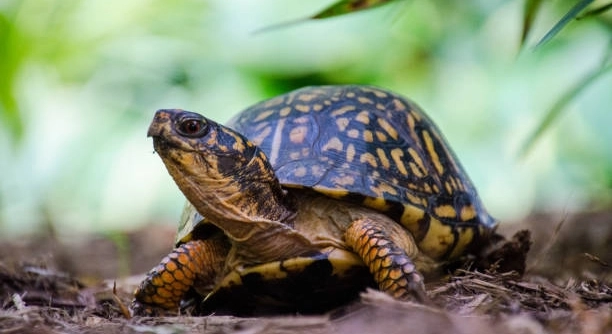
Box turtles are fascinating creatures, especially with their unique hinged shells. These shells allow them to protect themselves in remarkable ways. Understanding the purpose behind this feature can reveal much about their survival and evolution.
Box turtles have hinged shells to provide added protection. The hinges allow the turtle to close its shell tightly, protecting it from predators and environmental threats. This evolutionary adaptation helps ensure the turtle’s survival in the wild.
The reasons behind this protective feature are intriguing and worth exploring further. There are several theories that attempt to explain why box turtles evolved this unique adaptation.
The Importance of Protection in the Wild
The hinged shell of box turtles serves as a vital survival tool in the wild. Their primary defense against predators like foxes and raccoons is the ability to tightly close their shells. When threatened, a box turtle can seal itself in, creating an almost impenetrable barrier. This adaptation helps the turtle avoid being eaten by predators. Box turtles often live in areas where threats from animals are common, and their ability to completely close their shells gives them a significant advantage in protecting themselves. This protection is critical in environments where the turtle’s slow speed makes escaping danger difficult.
Despite their lack of mobility, box turtles rely heavily on their ability to withdraw into their shells as a defense mechanism. The evolutionary advantage of a closed shell provides box turtles with an extra layer of safety against predators that might otherwise pose a significant threat. This behavior also helps reduce stress, allowing the turtles to feel secure in their surroundings.
The box turtle’s shell hinges also play a role in regulating body temperature. By closing its shell tightly, the turtle is able to shelter itself from the harsh sun and regulate its internal temperature. This feature is especially important in regions with fluctuating temperatures, where exposure to the sun can be detrimental.
Evolutionary Theories Behind the Hinged Shell
One of the most widely discussed theories behind the hinged shell is the idea of protection from predators. Some researchers believe that this evolutionary adaptation began as a way to help the turtle hide from larger animals.
Over time, box turtles evolved to develop a more robust and flexible hinge that enabled them to retreat fully into their shells. The structure of the hinge has been refined over generations, becoming an essential characteristic that has helped ensure the species’ survival. Early box turtles likely had shells that were more open, providing less protection from predators. With the evolution of the hinged shell, they gained a significant advantage in avoiding danger.
Another possible theory is that the hinged shell helps box turtles avoid extreme environmental conditions. By sealing themselves off, the turtles can escape from extreme heat or cold, helping to regulate their body temperature. This adaptation could have been crucial for survival in changing climates, further solidifying the role of the hinged shell in the turtle’s evolution.
Protection from Harsh Environments
The hinged shell of box turtles offers them protection from extreme weather. In particularly hot or cold conditions, they can seal themselves inside, creating a safe, controlled environment. This adaptation ensures that they remain protected from rapid temperature changes that could otherwise be harmful to their health and survival.
Box turtles are more likely to face drastic temperature fluctuations in the wild, especially in areas where climates can be unpredictable. Their ability to close their shells tightly helps them manage both extreme heat and cold. When sealed inside their shells, they minimize the risk of dehydration and overheating. This feature is particularly beneficial during the summer months, when temperatures rise, or in winter, when cold weather can be lethal to more vulnerable animals. This level of self-protection has contributed to the box turtle’s long-term survival in diverse environments.
The shell’s ability to seal off the body also helps the turtles conserve moisture, an important aspect for survival. Box turtles live in environments where water can be scarce, so protecting their body from the external environment helps preserve the moisture they need.
Sheltering from Predators
Box turtles can quickly retreat into their shells, hiding from potential threats. This behavior allows them to protect themselves from animals like raccoons, birds of prey, and even domestic pets. The ability to close their shells entirely makes them less vulnerable to attack.
The hinged shell provides box turtles with the ultimate defense mechanism: total closure. When faced with a predator, the box turtle’s immediate response is to pull its head, limbs, and tail into the shell. The tightly closed shell becomes a nearly impenetrable barrier, preventing predators from getting to the turtle’s soft body. This quick reaction is vital for the turtle’s survival in the wild, where threats from larger animals are frequent. By sealing itself in, the turtle buys time to wait until the danger passes.
Although box turtles are not fast-moving creatures, this self-protective feature compensates for their slow pace. Instead of running from predators, they rely on their shell for defense, ensuring their safety. The strength and flexibility of the hinge allow them to survive in environments where other animals may be more easily caught.
Protecting Their Soft Underbelly
Box turtles’ hinged shells provide protection to their soft, vulnerable underbellies. Without this feature, their internal organs and delicate parts would be exposed to the environment, leaving them susceptible to injury. The hinged shell ensures their most sensitive areas stay safe.
The flexibility of the shell’s hinge allows the turtle to move and adjust without losing its protective shield. When the box turtle feels threatened, it uses its hinged shell to curl its body into a defensive position, providing a solid barrier against danger. This self-defense mechanism helps them maintain their physical integrity and survive longer in the wild.
Defense Against Larger Animals
The hinged shell plays a crucial role in protecting box turtles from larger predators that could easily overpower them. It allows them to hide completely, creating a safe and secure barrier. The added protection ensures they aren’t an easy target for larger, more aggressive animals.
Large predators often target slow-moving animals like box turtles, and the hinged shell offers an effective way to avoid being eaten. When a box turtle retreats into its shell, it has a much lower risk of injury or death. Even though the shell itself is not indestructible, it provides a strong deterrent for many predators.
FAQ
Why do box turtles have hinged shells?
Box turtles have hinged shells to protect themselves from predators and harsh environments. The shell’s ability to close tightly allows them to shield their soft bodies, retreating into a safe, closed space when they feel threatened. This evolution helps them survive in dangerous and fluctuating conditions.
What animals are box turtles protected from?
Box turtles are protected from predators like raccoons, foxes, birds of prey, and domestic pets. The ability to seal themselves inside their shells provides an effective defense against these animals. Their tough, hinged shells make it harder for predators to reach their vulnerable soft body.
How does the hinged shell help box turtles survive extreme weather?
The hinged shell helps box turtles survive extreme weather by allowing them to seal themselves off from harsh temperatures. Whether it’s excessive heat or cold, the box turtle can close up to protect itself. This adaptation helps them avoid dehydration or hypothermia, ensuring they stay safe during extreme weather conditions.
Can box turtles breathe when they close their shells?
Yes, box turtles can still breathe when they close their shells. Their breathing process is not affected by the shell’s closure. While the shell provides protection and limits movement, the turtle’s internal organs, including the lungs, are designed to function while the shell remains closed.
Do box turtles use their shells for anything other than protection?
While protection is the primary use of the box turtle’s shell, it also plays a role in temperature regulation. By closing their shells, they can shelter themselves from the sun’s heat or the cold, maintaining a stable body temperature. Additionally, their shells provide structure and support for their bodies.
Are box turtles able to move when their shells are closed?
Box turtles cannot move when their shells are fully closed. The shell’s main purpose during closing is to protect them from danger. When they feel safe again, the turtle will slowly open the shell and begin to move around. Their movement is restricted during this defensive position.
Why do box turtles have different shell shapes?
Box turtles have different shell shapes due to variations in their species and environments. The shape of their shell can be influenced by factors such as terrain and the types of predators they encounter. Some shells are more domed, while others may be flatter, depending on the turtle’s evolutionary needs.
How long do box turtles live?
Box turtles can live for several decades, with many living between 50 and 100 years. Their long lifespan is partly due to their ability to protect themselves with their hinged shells. This defense mechanism allows them to avoid many of the dangers that shorten the lives of other animals.
Do box turtles need to be kept in a closed space for protection?
Box turtles do not need to be kept in a closed space for protection unless they are in danger. In their natural habitat, they can retreat into their shells when they feel threatened. However, in captivity, they may benefit from being provided with safe, enclosed environments where they can hide and feel secure.
How does the hinged shell help with their mating habits?
The hinged shell does not directly influence the mating habits of box turtles, but it provides protection during vulnerable moments. When female box turtles are seeking safety while laying eggs, the ability to retreat into their shells ensures that they are not easily targeted by predators. The male turtles also use their shells to shield themselves during courtship and mating.
Final Thoughts
The hinged shell of box turtles is a remarkable adaptation that has helped them survive for millions of years. This feature provides a variety of benefits, including protection from predators, extreme weather, and even environmental hazards. When facing danger, the box turtle can retract into its shell, effectively closing off its body from the outside world. This ability to seal itself in is a powerful defense mechanism, keeping them safe from animals much larger and stronger than themselves. It also helps them survive in harsh climates, as they can shelter themselves from extreme temperatures or lack of moisture. This unique feature is a testament to how well the box turtle has adapted to its environment over time.
Another key benefit of the hinged shell is its ability to safeguard the turtle’s vulnerable soft body. Box turtles have a tough outer shell, but their underbellies and limbs remain soft and vulnerable to injury. By pulling into their shells, box turtles create a near-impenetrable barrier that keeps their vital organs safe from harm. This self-protection method is particularly useful in a world where larger predators pose a constant threat. Whether it’s a hungry raccoon, a bird of prey, or even a curious pet, the box turtle’s shell offers a crucial line of defense. Without this protection, their chances of survival would be greatly reduced.
Box turtles are often admired for their ability to live for many decades, sometimes even up to 100 years. Their long lifespan can be attributed in part to the durability and function of their hinged shells. While the shell doesn’t provide immunity to all dangers, it certainly reduces the risk of harm from predators and environmental threats. The shell allows box turtles to maintain their health and survive long enough to reproduce, ensuring the continuation of their species. In the end, the hinged shell is not just a physical feature but a key factor in the survival of box turtles in the wild.

Hello,
If you enjoy the content that we create, please consider saying a "Thank You!" by leaving a tip.
Every little bit helps us continue crafting quality advice that supports the health, happiness, and well-being of pets around the world, for pets of all shapes, sizes, and species.
We really appreciate the kindness and support that you show us!