
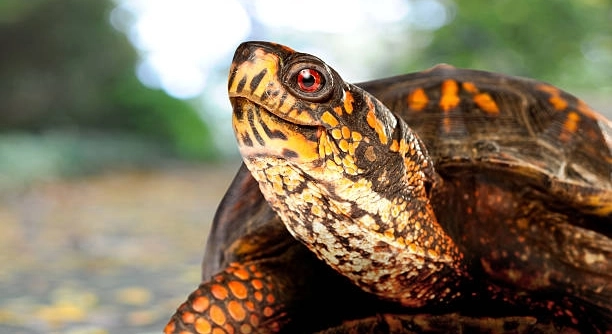
Box turtles thrive in environments that mimic their natural habitats. Providing a enriching environment is essential for their well-being and longevity.
Creating a habitat that meets the needs of box turtles involves understanding their natural behaviors and environmental requirements.
Discover practical strategies to enhance your box turtle’s habitat and ensure a healthy, happy life.
1. Create a Natural Environment with Plenty of Space
Box turtles need room to roam. A spacious habitat that mimics their natural environment is crucial for their physical and mental health. Whether it’s an indoor terrarium or an outdoor pen, the space should be large enough to allow them to explore, hide, and forage for food.
A larger area also ensures they have access to different areas for warmth, shade, and moisture, which are key for their well-being. An environment that offers variety helps keep your turtle active and engaged.
If you’re using an outdoor space, consider natural plants, logs, or rocks for hiding. If indoors, make sure to include plenty of hiding spots, a shallow water dish, and branches to climb on. These elements will provide comfort and safety, making your turtle feel at home.
2. Provide Proper Substrate for Digging and Hiding
The type of substrate you use can make a big difference in your box turtle’s habitat.
Box turtles love to dig and burrow, so choosing the right substrate is key to keeping them comfortable.
Coconut coir, aspen bedding, or organic soil work well for creating a soft, dig-friendly area. A deep substrate allows the turtle to express natural behaviors like burrowing, which helps with stress relief. Make sure to avoid sand or gravel, as they can irritate your turtle’s skin or digestive system.
By providing a substrate that meets their needs, you’re helping ensure your box turtle stays happy and healthy in its habitat. Consider layering materials for added texture and variety, giving your turtle options to explore.
3. Ensure Access to Water
A water dish is essential for hydration and soaking. Box turtles need fresh, clean water to stay healthy.
Place a shallow dish in the habitat that is easy for the turtle to access. The water should be changed regularly to avoid bacterial buildup. Turtles may drink from the dish or soak in it, helping with hydration and skin health.
Ensure the water dish isn’t too deep; box turtles need to be able to climb in and out easily. If it’s too deep, it can lead to drowning or unnecessary stress. Regularly monitor the water level and quality to keep your turtle hydrated and happy.
4. Maintain Proper Temperature and Humidity
Temperature regulation is important for box turtles. A temperature gradient should be established within their habitat to provide areas of warmth and coolness.
Use a heat lamp to create a warm basking spot, typically around 85-90°F, while the cooler side should be around 70°F. This gradient allows your turtle to regulate its body temperature. Proper temperature control helps with digestion and overall activity levels.
Humidity levels are equally important for box turtles. Aim for humidity between 50-70% to keep your turtle comfortable. Mist the substrate or provide a humidifier to achieve this. Proper humidity levels also help with skin shedding and prevent respiratory problems.
5. Add Hiding Spots for Security
Box turtles need places to hide. Providing hiding spots in their habitat is key to helping them feel secure.
Use natural elements like logs, rocks, or commercially available turtle hides. A mix of hiding spots helps your turtle feel safe and reduces stress.
Turtles are naturally shy and may seek shelter when feeling threatened. Offering multiple hiding places ensures they can retreat whenever needed. Hiding spots are especially important during the day, when turtles tend to rest and sleep.
6. Offer a Variety of Foods
Feeding your box turtle a varied diet is essential for its health.
Offer a mix of leafy greens, fruits, vegetables, and occasional protein like insects or worms.
A varied diet ensures your turtle gets the necessary nutrients. Make sure to avoid feeding them food that’s too high in phosphorus, which can lead to nutritional imbalances. Rotate their meals to keep them interested and well-nourished.
7. Regularly Clean the Habitat
Maintaining a clean habitat is crucial for your box turtle’s health.
Regular cleaning prevents bacteria buildup and helps avoid health problems like respiratory infections or shell rot.
FAQ
What do box turtles eat?
Box turtles have a varied diet. They enjoy leafy greens like dandelion, collard, and mustard greens. They also eat fruits like strawberries, apples, and blueberries, and vegetables like squash, carrots, and bell peppers. In addition to plant matter, they occasionally eat protein such as worms, crickets, or other insects.
Make sure to balance the diet with both plant and animal matter to ensure proper nutrition. It’s important to avoid feeding them food that’s high in oxalates, such as spinach, as it can interfere with calcium absorption. Always wash food before offering it to avoid chemicals.
How often should I feed my box turtle?
Box turtles don’t require feeding every day, but they do need regular meals. Typically, you can feed an adult box turtle every other day. Babies and younger turtles may need daily meals. Offer a variety of foods and monitor how much they eat, adjusting portions based on their needs.
Overfeeding can lead to health problems, so it’s best to stick to a consistent schedule and provide only what they can consume in one sitting. Don’t leave food in the enclosure for too long, as it can spoil and attract pests.
Do box turtles need UVB light?
Yes, UVB light is essential for box turtles, especially those kept indoors. UVB helps them synthesize vitamin D3, which is crucial for calcium absorption. Without UVB light, box turtles can develop metabolic bone disease due to insufficient calcium.
Use a good quality UVB lamp designed for reptiles. Place it within the recommended distance from the turtle’s basking spot to ensure they get the right amount of exposure. If they are outdoors and exposed to sunlight, they might not need additional UVB light, but it’s still beneficial during colder months or when indoors.
How can I keep my box turtle’s habitat humid?
Box turtles thrive in a humid environment, and maintaining the right humidity level is crucial. You can increase humidity by misting the substrate, using a humidifier, or placing a shallow water dish in the enclosure.
Another option is to use moisture-retaining substrates like coconut coir or organic soil, which can hold moisture longer. Be sure to monitor humidity levels regularly with a hygrometer. Keeping humidity around 50-70% is ideal for their health and comfort. If humidity drops too low, it can cause issues with shedding and dehydration.
What temperature should I keep my box turtle’s habitat?
Box turtles need a temperature gradient in their habitat, with a warm basking area and a cooler side. The basking spot should be between 85-90°F, while the cooler side should range from 70-75°F.
This temperature difference allows the turtle to regulate its body temperature based on its needs. Use a heat lamp or ceramic heat emitter to maintain warmth. Avoid using hot rocks, as they can burn the turtle. Always monitor the temperature with a reliable thermometer.
How big should the enclosure be for a box turtle?
The size of the enclosure depends on the size of your box turtle. A general rule of thumb is to provide at least 10 square feet of space for one adult turtle. Larger enclosures are better, allowing them room to roam, explore, and hide.
If keeping multiple turtles, provide extra space for each additional turtle. Indoor enclosures can be made from large plastic containers, glass tanks, or custom-built wooden pens. Outdoor pens should have secure fencing to prevent escapes. Make sure the space is escape-proof and offers plenty of hiding places.
Can box turtles live outside?
Yes, box turtles can live outdoors, provided the environment is safe and suitable. Outdoor pens should be secure with tall sides to prevent escape and protection from predators. The area should have a mix of sun and shade, with places for the turtle to dig or hide.
During colder months, box turtles may need to be brought inside to avoid freezing temperatures. Always ensure the outdoor habitat is predator-free and that your turtle has access to clean water, food, and shelter.
Do box turtles hibernate?
Yes, box turtles may hibernate, especially during colder months. Hibernation, or brumation, is a natural process where box turtles slow down their metabolism. However, not all box turtles hibernate, and it depends on factors like age, health, and temperature.
If you plan to allow your turtle to hibernate, ensure they are healthy before doing so. Reduce their food intake gradually as they prepare to enter brumation. Provide a cool but not freezing space, and monitor them closely during this time. Always consult a vet before letting your turtle hibernate to ensure it’s safe.
How can I tell if my box turtle is sick?
It’s important to watch for signs of illness in box turtles. Common symptoms include lethargy, loss of appetite, nasal discharge, swollen eyes, or abnormal behavior.
Check the shell regularly for signs of shell rot, such as soft spots, discoloration, or foul odor. Respiratory infections may cause wheezing or difficulty breathing. If you notice any of these symptoms, consult a vet experienced with reptiles as soon as possible to get proper treatment. Regular health checks and maintaining a clean environment can help prevent many health issues.
Final Thoughts
Taking care of a box turtle requires attention to detail, but it’s a rewarding experience. Creating an environment that closely resembles their natural habitat is key to their well-being. It’s important to provide enough space for them to roam and explore, as well as safe spots where they can hide and feel secure. Box turtles are naturally curious and active, so having an environment that stimulates their senses will help keep them happy and healthy.
Providing the right food, maintaining proper temperature and humidity levels, and ensuring access to clean water are all essential components of turtle care. Regularly check their habitat to ensure that everything is in the right condition. Monitoring the health of your box turtle is also crucial, as even subtle signs of illness can quickly turn into more serious issues. A well-maintained environment, along with the right care and attention, will lead to a healthier, more vibrant turtle.
While caring for a box turtle might seem like a lot of work at first, the rewards are definitely worth it. Over time, you’ll learn what your turtle needs and enjoy watching it thrive in its comfortable, enriched environment. Whether indoors or outdoors, creating a space that meets all their needs helps ensure they live a long, happy life. By following these simple steps, you’re setting your box turtle up for success and providing it with a habitat that will bring out its natural behaviors and instincts.

Hello,
If you enjoy the content that we create, please consider saying a "Thank You!" by leaving a tip.
Every little bit helps us continue crafting quality advice that supports the health, happiness, and well-being of pets around the world, for pets of all shapes, sizes, and species.
We really appreciate the kindness and support that you show us!