
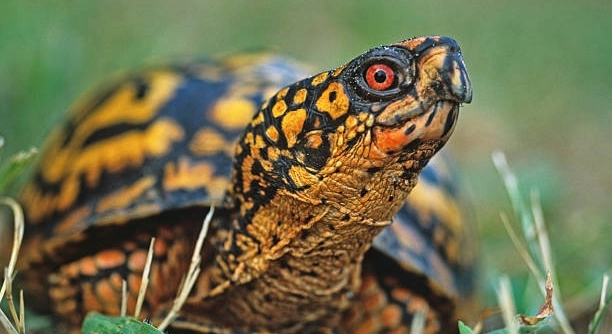
Box turtles are fascinating creatures, often appearing in history and popular culture. From ancient folklore to modern-day cartoons, they’ve captured the imaginations of many. Their symbolism and unique characteristics make them stand out in various stories.
Throughout history and popular culture, several box turtles have become iconic figures. Their appearances in literature, art, and even movies highlight their distinct qualities. These famous box turtles represent endurance, wisdom, and resilience in their respective stories.
Their legacies continue to inspire, and there’s much more to uncover about the box turtles who have left lasting marks on culture.
The Box Turtle in Ancient Mythology
Box turtles have long been associated with various mythologies, symbolizing different traits depending on the culture. In many Native American traditions, the turtle is seen as a symbol of endurance and strength. For instance, the Iroquois believed that the world was created on the back of a giant turtle, signifying stability and support. This idea of the turtle as a foundation for life is widespread, with its enduring presence across multiple cultures.
Turtles often represent wisdom and longevity in myths. Their slow and steady nature contrasts with the fast-moving world around them, making them symbols of patience and careful decision-making. This connection to wisdom has persisted through centuries, reinforcing their cultural significance.
Box turtles’ roles in mythologies reflect their symbolic importance. They aren’t just creatures of folklore but are emblematic of many essential qualities, such as balance, wisdom, and strength. These themes have allowed them to remain relevant throughout different historical periods.
Box Turtles in Modern Media
Box turtles have also found their place in contemporary media. From cartoons to literature, their presence has remained strong. Turtles in pop culture are often portrayed as wise or humble characters, carrying with them a sense of calm.
In films like Kung Fu Panda, the turtle is a wise mentor who teaches valuable life lessons. Similarly, in the Teenage Mutant Ninja Turtles series, the turtles, though anthropomorphized, retain aspects of the box turtle’s calm demeanor and resilience. These portrayals highlight the cultural impact of box turtles, transcending their biological nature into figures of authority and wisdom.
The legacy of box turtles in modern media reinforces their symbolic values of resilience, wisdom, and perseverance. Despite their slow pace, they continue to make significant impacts on the stories and themes they’re part of. This enduring presence reflects how well these qualities resonate with audiences worldwide.
Box Turtles in Literature
Box turtles have appeared in various literary works, often embodying traits like perseverance and patience. Their slow and deliberate nature serves as a reminder to take life one step at a time, making them perfect characters in stories that explore growth and wisdom.
In many classic fables, the box turtle’s slow and steady approach is emphasized. For instance, in Aesop’s fable The Tortoise and the Hare, the turtle’s persistence leads to victory, demonstrating that speed isn’t always the key to success. This message of resilience has continued to resonate in modern literature as well, with the turtle often symbolizing strength in the face of adversity.
The box turtle’s literary presence reinforces the value of perseverance, turning a simple creature into a powerful symbol. Their steady, thoughtful approach to life makes them ideal characters for lessons in patience and resilience.
The Role of Box Turtles in Cartoons
Box turtles often appear in cartoons as characters that are both endearing and wise. Their slow pace and thoughtful demeanor make them ideal mentors or supporting characters in children’s shows.
In popular cartoons like Franklin the Turtle, the box turtle serves as a relatable character for young viewers, teaching them life lessons about responsibility and friendship. Similarly, in the animated series The Box Turtle, the turtle’s calm nature helps guide others through difficult situations. These representations reflect the turtle’s reputation as a symbol of calm, wisdom, and kindness.
The box turtle’s role in cartoons emphasizes how timeless these qualities are. By teaching lessons through animation, the turtle continues to influence younger generations with its strong sense of self and its unwavering approach to life.
Box Turtles in Folklore
Box turtles appear frequently in folklore, where they symbolize resilience and longevity. Their hard shells are often seen as armor, representing protection and endurance through difficult times.
In some cultures, the turtle is a mythical creature associated with the earth’s creation, highlighting its role as a symbol of stability. This connection to the earth and nature suggests the turtle’s deep-rooted presence in many ancient stories. Its ability to carry its home on its back is often linked to the notion of self-reliance and inner strength, providing a sense of comfort and security.
Famous Box Turtles in History
Throughout history, box turtles have been regarded with respect, often seen as creatures capable of surviving harsh environments. Their longevity and endurance have made them symbols of wisdom and patience.
Notable historical accounts of box turtles show them being linked to key moments in ancient cultures. Their adaptability in surviving for many years has been admired, especially considering the challenges they face in the wild. Their resilience has often been used as a metaphor for enduring hardship, making them figures of strength in both nature and society.
Box Turtles as Popular Pets
Box turtles have long been a favorite among pet owners. Their calm demeanor and manageable size make them ideal for those seeking a quiet companion.
Owning a box turtle can be a rewarding experience. They require minimal maintenance compared to other pets, yet they offer a sense of companionship that many find satisfying. Their slow, steady movements and long lifespan contribute to their appeal. A box turtle can thrive in a controlled environment, making it a great pet for individuals or families who appreciate nature and wish to care for a resilient creature.
FAQ
What is the lifespan of a box turtle?
Box turtles are known for their impressive lifespan. In the wild, they can live anywhere from 30 to 50 years, with some individuals reaching over 100 years under ideal conditions. Their longevity is partly due to their slow metabolism and ability to thrive in a variety of environments. When kept as pets, box turtles can live for several decades as well, especially if provided with the right care, such as proper diet, a suitable habitat, and regular health check-ups.
How can I tell if a box turtle is healthy?
A healthy box turtle has clear, bright eyes, a smooth and shiny shell, and active movements. The shell should not have cracks or soft spots, as these could indicate malnutrition or injury. Additionally, a healthy box turtle will be alert and responsive. Their appetite is a good indicator of health—if a turtle refuses to eat for an extended period, it may be a sign of illness or environmental stress. Regular veterinary visits are crucial for keeping your turtle in top shape.
What do box turtles eat?
Box turtles are omnivores, meaning they eat both plant and animal matter. In the wild, their diet consists of insects, earthworms, berries, mushrooms, and a variety of leaves. Pet box turtles should be fed a varied diet that includes high-quality pellets, leafy greens like dandelion or collard greens, and occasional treats like berries, worms, or small pieces of fruit. Ensuring they get the right balance of nutrients, including calcium and vitamins, is vital to prevent shell and bone issues.
Can box turtles live in a tank?
Yes, box turtles can live in a tank, but it’s important to replicate their natural environment as closely as possible. A tank for a box turtle should be large enough to allow them to roam and explore. A good rule of thumb is a 40-gallon tank for one adult turtle. The tank should include a warm, humid area and a cooler, dry area. Proper lighting, such as UVB lamps, is essential for their health, as it helps them process calcium and maintain a healthy shell.
Do box turtles need to be kept in pairs?
Box turtles are solitary creatures by nature. Unlike some other species, they do not require company to be happy or healthy. In fact, keeping multiple box turtles together can sometimes lead to territorial disputes, especially among males. It’s best to house box turtles individually unless they are from the same family and have shown no signs of aggression toward one another. However, they will enjoy interaction with their owners and can be social in that way.
Are box turtles hard to care for?
Box turtles are not particularly hard to care for, but they do require attention to detail. Their needs include a proper diet, a suitable enclosure, and specific temperature and humidity levels. As long as you provide them with the right care, they can thrive in captivity. They are a long-term commitment, so potential owners should be prepared to care for them for many years. Regular maintenance of their habitat and health is essential, but with the right setup, they can be relatively low-maintenance pets.
What temperature do box turtles need?
Box turtles require a temperature gradient in their enclosure, meaning there should be a warm area and a cooler area for them to regulate their body temperature. The warm side of the tank should be kept between 80-85°F, while the cooler side should be around 70-75°F. It’s important to provide a basking spot where the temperature can reach up to 90°F. Nighttime temperatures can drop to 65-70°F. A heat lamp or under-tank heater can help maintain the proper temperatures.
How often should I clean my box turtle’s tank?
A box turtle’s tank should be cleaned regularly to ensure a healthy environment. The water should be changed every few days, especially if the turtle has been soaking in it. The tank itself should be spot-cleaned daily, removing any uneaten food and waste. Every few weeks, the entire tank should be cleaned thoroughly, including the substrate. Make sure to remove any mold or excess moisture to prevent health issues. Proper cleaning habits will prevent the build-up of harmful bacteria and ensure your turtle stays healthy.
Can box turtles swim?
Box turtles can swim, but they are not as proficient in water as aquatic turtles. They enjoy soaking in shallow water to hydrate and cool off, but they should not be placed in deep water for long periods. Box turtles have high-domed shells, which make swimming more difficult. While they can paddle around in shallow water, it’s essential to ensure they have a dry area to rest on. Providing a shallow water dish that they can get in and out of easily is ideal.
What should I do if my box turtle is sick?
If your box turtle shows signs of illness, such as lethargy, loss of appetite, or shell damage, it’s important to consult a vet experienced with reptiles. Illnesses in box turtles can be serious, and early intervention is key to a full recovery. Common issues include respiratory infections, shell rot, and parasites. Keep the turtle in a warm, quiet environment while seeking professional care. In the meantime, avoid handling them too much to reduce stress. With proper care and treatment, most health issues can be managed effectively.
How long does it take for a box turtle to grow?
Box turtles grow slowly, with some reaching full maturity after 10-20 years. Their growth rate depends on factors like diet, habitat, and overall care. In the first few years, they may grow fairly quickly, but this slows as they approach adulthood. By the time they are fully grown, they can reach sizes of 4 to 7 inches in length. Growth can also vary based on whether they are living in the wild or in captivity. Ensuring they get proper nutrition and care will help them reach their full potential.
Can box turtles live outside year-round?
In most climates, box turtles cannot live outside year-round due to temperature fluctuations. They require a warm, humid environment, which can be difficult to maintain during cold weather. In regions with mild winters, box turtles can be kept outdoors in an enclosure, but it should be equipped with a shelter and heating lamps to keep them warm during colder months. In colder climates, it’s better to bring the turtles indoors during winter, as extreme temperatures can be dangerous to their health.
Final Thoughts
Box turtles are fascinating creatures with long lifespans and unique characteristics. They can thrive both in the wild and as pets when provided with the right care. Their slow pace and calm demeanor make them a special species, loved by many who appreciate the quiet companionship they offer. Whether you’re interested in their role in history, folklore, or as a pet, box turtles have a unique place in the world.
Caring for a box turtle does require some attention and commitment, but it’s manageable with the proper knowledge. By providing them with a safe environment, the right diet, and regular health check-ups, you can ensure they live a long and healthy life. Their needs are specific, but they’re not difficult to meet. Understanding their behavior and characteristics, such as their territorial nature and the importance of temperature regulation, will help you create an ideal environment for your turtle.
Box turtles hold an important spot in various cultures, known for their resilience and symbolic meaning. They represent patience and protection, qualities that many people find inspiring. While keeping them as pets is a long-term commitment, their gentle presence can be a rewarding experience. If you’re considering adding a box turtle to your life, make sure you’re prepared to meet their needs. With the right care and attention, a box turtle can bring years of companionship and joy.

Hello,
If you enjoy the content that we create, please consider saying a "Thank You!" by leaving a tip.
Every little bit helps us continue crafting quality advice that supports the health, happiness, and well-being of pets around the world, for pets of all shapes, sizes, and species.
We really appreciate the kindness and support that you show us!