
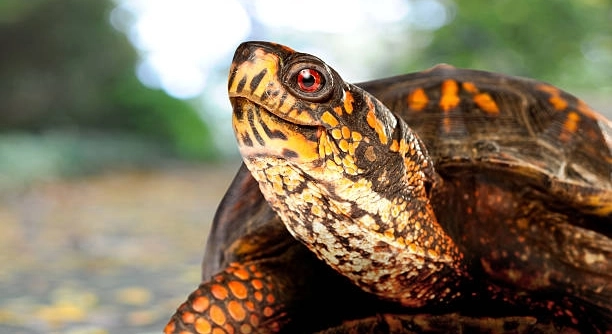
Box turtle tanks can sometimes develop an unpleasant odor, making it hard to enjoy their company. Keeping their environment clean and odor-free is essential for both your turtle’s health and your home’s comfort.
To reduce odor in box turtle tanks, it’s crucial to maintain a clean tank by removing waste, changing the substrate regularly, and ensuring proper filtration. Adequate ventilation and a balanced feeding routine also help minimize unwanted smells.
By following these steps, you can ensure a cleaner, more pleasant environment for your turtle while keeping odors under control.
Remove Waste Regularly
One of the most effective ways to prevent odor buildup in a box turtle tank is to remove waste frequently. Turtles produce waste throughout the day, so it’s essential to clean up after them daily. Feces and uneaten food can quickly start to smell, especially when they’re left for too long. A simple routine of checking the tank every day for waste and debris can make a significant difference.
It’s important to use a fine net or scooper to remove waste without disturbing the substrate. Be sure to clean the tank thoroughly every week by rinsing and scrubbing all surfaces, including decorations and accessories. This prevents waste from decomposing and contributing to odors.
Additionally, removing old, uneaten food is key. Leftover food can start to rot, creating unpleasant smells. Be mindful of how much food you offer your turtle, adjusting portions to ensure it’s all eaten within a reasonable amount of time.
Change the Substrate Regularly
Changing the substrate in your turtle’s tank is another crucial step to keeping the odor down. Substrates, such as soil, sand, or mulch, absorb waste and moisture. Over time, they can become saturated and start to smell.
A substrate change every 3-4 weeks will help prevent odor buildup. Remove the old substrate and replace it with fresh material to keep the tank smelling fresh. If you use a natural substrate, be mindful of its quality and avoid products that may trap moisture or bacteria. Clean the tank thoroughly when changing the substrate to ensure no waste or moisture is left behind.
Use Proper Filtration
A good filtration system helps keep the water clean and reduces odor in your box turtle tank. Choose a filter suitable for the size of your tank and the water volume. Filters work by removing waste, debris, and excess food particles, preventing these from breaking down and causing unpleasant smells.
To keep the filter working efficiently, clean it regularly according to the manufacturer’s instructions. Dirty filters will quickly become clogged and ineffective, allowing waste to build up. Check the filter every few weeks for any signs of blockage or damage, ensuring it continues to provide adequate filtration.
You can also use chemical filtration methods, such as activated carbon, to further reduce odors. These products absorb toxins and impurities, helping maintain a cleaner environment. Replace carbon filters regularly to keep them effective.
Ensure Proper Ventilation
Proper ventilation is vital for preventing a buildup of moisture, which can lead to odor in the tank. Box turtles need a dry, well-ventilated space to stay healthy, so make sure the tank has good airflow. If your tank has a lid, ensure it has mesh openings or vents to allow air to circulate.
Without adequate ventilation, the air inside the tank can become stagnant, contributing to an unpleasant smell. A poorly ventilated tank may also encourage mold and bacteria growth. Placing your turtle’s tank in a room with good natural air circulation can also help.
If your tank is kept in a warmer environment, ensure the humidity levels remain balanced. Too much humidity can encourage mold growth and increase odors. Regularly check the moisture levels inside the tank and adjust as needed to maintain a healthy environment.
Keep the Tank Temperature Stable
Maintaining a stable temperature in your turtle’s tank is important for overall health and reducing odor. If the tank is too warm or cold, bacteria may multiply, leading to unpleasant smells. Ensure the water temperature stays within the recommended range for your turtle species.
You can use a reliable thermometer to monitor the temperature and an adjustable heater to keep it consistent. Avoid temperature fluctuations, as they can stress the turtle and increase the likelihood of odor problems. Maintaining proper warmth also helps the turtle stay active and healthy, creating a better living environment.
Feed Your Turtle Properly
Overfeeding your turtle can lead to leftover food in the tank, contributing to bad smells. Offer small portions that your turtle can consume within a few hours. This reduces the amount of uneaten food that decomposes and creates odor.
Be mindful of what and how much you feed. High-protein diets may require more frequent cleanings since they can create waste quickly. Always remove any uneaten food from the tank after each feeding session to keep the environment cleaner and odor-free.
Use Natural Odor Neutralizers
You can use natural methods to neutralize odors in your turtle tank. Activated charcoal, baking soda, and plant-based air purifiers can help absorb and eliminate unwanted smells. These are safe for your turtle and the tank environment.
Place a small amount of activated charcoal near the filtration system, or sprinkle a thin layer of baking soda on the tank’s floor. Both options absorb odors without introducing chemicals that could harm your turtle. Make sure to clean and replace these natural odor neutralizers regularly for the best effect.
FAQ
What can I use to clean the tank without causing harm to my turtle?
To clean your box turtle tank safely, use a mild, non-toxic cleaner such as vinegar diluted with water. This natural solution helps remove dirt and grime without introducing harmful chemicals. You can also use aquarium-safe wipes to clean surfaces. Avoid strong cleaning agents or bleach, as they can leave residues that may harm your turtle. After cleaning, rinse the tank thoroughly with water to ensure no cleaner remains. It’s important to give your turtle time to adjust after a deep cleaning, so keep the tank dry for a while before placing them back inside.
How often should I change the water in the tank?
Changing the water in your box turtle’s tank is essential for maintaining a healthy, odor-free environment. Aim to change the water every 2-3 days if you have a smaller tank. If your tank is larger or has a good filtration system, you can go up to a week. Keep an eye on water clarity and cleanliness, especially if you notice any foul smells or cloudiness. When you change the water, make sure the new water is at the correct temperature, similar to what your turtle is accustomed to. This prevents stress from sudden temperature changes.
Can I use bleach to clean the tank?
Bleach is too harsh for cleaning your turtle’s tank and should be avoided. While it can effectively remove mold and bacteria, bleach leaves toxic residues that can be harmful to turtles. Instead, use a diluted vinegar solution or a turtle-safe cleaner to scrub the tank. If you accidentally use bleach, rinse the tank thoroughly and allow it to dry completely before introducing your turtle. Always make sure the tank is free of any cleaning agent before your turtle returns.
What should I do if my turtle tank starts to smell even after cleaning?
If your tank continues to smell after regular cleanings, check for any hidden waste or uneaten food. Even a small amount of food left behind can start to rot, causing odors. Check the filter to ensure it’s functioning properly, and clean it if necessary. Sometimes, excess moisture in the tank can lead to unpleasant smells. Ensure the tank has proper ventilation to prevent humidity buildup, which can encourage mold growth. If the smell persists, consider changing the substrate or adjusting your turtle’s feeding schedule.
How do I prevent algae buildup in my turtle tank?
Algae can thrive in a box turtle’s tank if the lighting and water conditions are right. To prevent algae buildup, limit the amount of direct sunlight the tank receives and avoid using lights that stay on for long periods. Algae need light to grow, so reducing exposure can help control it. Regular water changes and cleaning the tank’s surfaces also help prevent algae from taking hold. If algae do form, scrub the tank with a non-abrasive sponge or cloth, and be sure to clean all the nooks and crannies where it may hide.
Can I use a filter without changing the water?
While a good filter can help reduce waste and odor, it shouldn’t replace regular water changes. Filters capture some debris and waste, but they don’t remove everything. Bacteria can still grow in the water, especially if the tank is overfed or if waste accumulates too quickly. Regular water changes are still necessary to maintain a healthy environment for your turtle. A filter can make the job easier by reducing the frequency of water changes, but it’s not a complete substitute.
Is it necessary to provide a basking area for my turtle?
Yes, providing a basking area is essential for your box turtle’s health. Turtles need a dry, warm spot to regulate their body temperature and digest their food properly. A basking area also allows your turtle to dry off, preventing skin problems and promoting overall well-being. You can create a basking area by using a flat rock or a platform above the waterline. Make sure it’s easy for your turtle to access and that the area is well-lit with a heat lamp to maintain the proper temperature.
How can I manage my turtle’s diet to avoid odor?
Feeding your turtle a balanced diet is essential not only for their health but also to help control odors in the tank. Overfeeding can lead to uneaten food, which will rot and produce unpleasant smells. Offer only the amount of food your turtle can eat in one sitting, and remove any leftovers promptly. You can also feed your turtle a variety of fresh vegetables, fruits, and protein sources to help reduce waste. Ensure their diet is appropriate for their age and species to avoid excess waste production.
Can I use sand in my turtle’s tank?
Sand can be used as a substrate in your turtle’s tank, but it requires careful management. It’s important to choose a fine-grain sand that won’t irritate your turtle’s skin or cause injury. Sand can trap waste and moisture, so it’s important to clean it frequently and change it regularly to prevent odors. If you use sand, consider adding a filtration system to help remove waste from the water and keep the tank clean. Make sure your turtle does not ingest large amounts of sand, as this could cause digestive issues.
Final Thoughts
Keeping a clean and odor-free environment for your box turtle is key to ensuring their health and comfort. Regular cleaning of the tank, proper filtration, and maintaining the right temperature are all essential steps to prevent unpleasant smells. If your tank starts to smell despite your efforts, consider checking for hidden food or waste that might be decomposing. Also, the use of natural odor-neutralizers, like activated charcoal or baking soda, can help reduce unwanted odors without harming your turtle.
Feeding your turtle the right amount and removing uneaten food promptly can also prevent odors from developing. Overfeeding is one of the main causes of excess waste and lingering smells in turtle tanks. Monitoring your turtle’s diet and feeding habits will not only help manage the tank’s cleanliness but also improve your turtle’s overall health. A balanced diet, appropriate for your turtle’s species and age, can also help reduce the need for constant cleaning.
By keeping up with routine water changes, proper temperature maintenance, and regular tank cleaning, you can create a healthier, odor-free habitat for your turtle. Remember that turtles are sensitive creatures, and changes in their environment can affect their well-being. A well-maintained tank will not only help you avoid odors but also provide a safer and more comfortable living space for your turtle.

Hello,
If you enjoy the content that we create, please consider saying a "Thank You!" by leaving a tip.
Every little bit helps us continue crafting quality advice that supports the health, happiness, and well-being of pets around the world, for pets of all shapes, sizes, and species.
We really appreciate the kindness and support that you show us!