
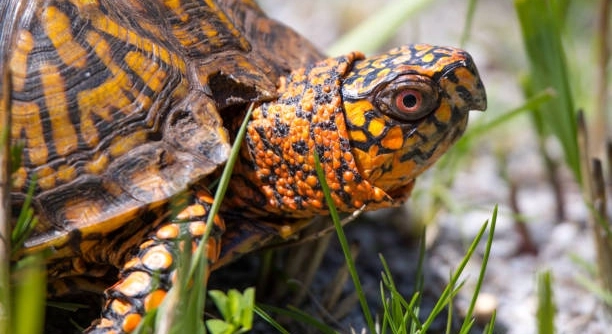
Breeding box turtles require careful attention to their environment to thrive. Stress can harm their health and wellbeing. Ensuring they have a comfortable, stable environment can reduce their stress and lead to successful breeding.
The key to preventing stress in breeding box turtles is providing a suitable, calm environment. This includes maintaining proper humidity, temperature, and space. Additionally, minimizing disturbances and offering adequate hiding spots can help reduce anxiety and encourage healthy behavior.
Implementing these tips will help create a peaceful setting for your box turtles. Understanding their needs will lead to better breeding outcomes and happier, healthier turtles.
The Importance of a Quiet Environment
Turtles are sensitive creatures, and stress can greatly affect their health. One of the most important factors to prevent stress is creating a quiet and peaceful environment. Turtles thrive when they feel safe and undisturbed. Excessive noise or sudden movements can cause anxiety, leading to health problems and poor breeding outcomes. Consider placing your breeding box turtles in a quiet area away from high-traffic zones or loud activities.
A quiet environment supports not only their mental well-being but also their physical health. Stress can weaken their immune system, leaving them more susceptible to illness. By reducing noise and minimizing disruptions, you’re giving your turtles the best chance for success.
This peaceful setting can be achieved by simply choosing the right location for the enclosure. A secluded, calm space with limited noise ensures that your turtles feel secure, allowing them to focus on breeding without unnecessary distractions.
Proper Lighting and Temperature
Temperature and lighting play a significant role in the comfort of your turtles. Providing consistent, appropriate lighting encourages healthy behavior and promotes stress-free living. Turtles require both basking and UV light to regulate their body temperature and metabolism.
If the temperature fluctuates too much or is not optimal, turtles may become stressed and uneasy. A steady and comfortable temperature range between 75-85°F should be maintained. This allows them to regulate their body heat and stay relaxed. Using a reliable thermometer is essential to avoid any sudden temperature changes that may upset your turtles.
Proper lighting ensures that your turtles’ biological clock remains in sync. This is important not only for their daily activities but also for breeding. Providing consistent light during the day and a dark period at night helps simulate their natural environment, keeping them healthy and less stressed.
Provide Hiding Spaces
Turtles need hiding spots to feel secure. A simple, natural hiding space will give them the peace they need to reduce stress. Adding plants, rocks, or logs creates areas where turtles can retreat and relax when they need it.
Hiding spots are especially important during breeding. The stress of pairing and territorial behavior can cause anxiety. By offering secluded areas, you allow the turtles to have some alone time. This reduces aggression and prevents the feeling of being overwhelmed. Make sure these spaces are large enough for them to move around comfortably.
Ensure the hiding spots are placed thoughtfully, not just randomly. Arrange them where turtles can easily access them. Keep in mind the size of your breeding box when choosing suitable materials. These hiding spots should also be easy to clean to maintain a healthy environment.
Maintain Clean Water
Water cleanliness is essential for turtles’ health. Stagnant, dirty water increases stress and may cause illness. Regularly changing the water and keeping it clean will help turtles feel more comfortable.
The quality of the water directly affects the overall well-being of the turtles. Installing a filtration system is a great way to keep the water clean, ensuring it stays fresh for longer periods. Regular water changes are still necessary to prevent waste buildup and bacteria growth. Always monitor the water quality and make adjustments as needed.
Water should be the right depth and temperature for the turtles, too. They need enough space to swim freely while being able to easily access dry areas to rest. Clean, fresh water helps to reduce stress and supports healthy breeding.
Avoid Overcrowding
Overcrowding can cause stress and aggression among turtles. It’s essential to provide enough space for each turtle to have its own territory. Too many turtles in one area can lead to competition for resources, causing unease.
The ideal space for each turtle varies based on size, but generally, larger enclosures are better. By giving them plenty of room, you reduce the chances of territorial disputes. A spacious area also allows turtles to exhibit natural behaviors like basking and foraging without feeling crowded.
Offer a Balanced Diet
A proper diet supports the overall health of breeding box turtles. Providing a varied diet that includes both plant and animal-based foods ensures that they receive the necessary nutrients to thrive. Overfeeding or underfeeding can both lead to stress and health problems.
Turtles rely on a mix of leafy greens, fruits, and protein to stay healthy. It’s crucial to offer the right proportions to maintain balance. Too much protein can cause shell issues, while too little can affect their energy levels. Regularly changing up their diet prevents boredom and encourages a natural feeding routine.
Minimize Handling
Handling turtles too often can be stressful for them. It’s important to avoid unnecessary interaction, especially during breeding times. Giving them space to move freely without constant human presence helps keep their stress levels low.
Excessive handling can disrupt their natural behavior and cause anxiety. While brief, gentle handling can be okay, it should not interfere with their daily activities or breeding process. By respecting their need for privacy, you help them remain calm and undisturbed.
FAQ
What are the signs that a breeding box turtle is stressed?
Stress in breeding box turtles can be recognized through changes in behavior and appearance. They may become more aggressive, hide excessively, or stop eating. You may also notice them pacing around their enclosure or basking less than usual. If your turtle appears lethargic or has difficulty swimming, it could be a sign of stress. Additionally, shell damage, such as cracking or softening, may indicate that the stress level has become too high. Always observe your turtles closely for any unusual changes in behavior or health.
How can I reduce noise around my turtles’ enclosure?
To reduce noise, choose a location away from busy areas. If your home is prone to noise, consider using soundproofing materials like foam panels or heavy curtains near the enclosure. You can also create natural barriers like plants or decorative items around the enclosure to absorb sound. Limiting loud activities near the turtles, such as vacuuming or having conversations close to the tank, will help maintain a calm environment. Avoid placing the enclosure near loud appliances or electronics that could cause constant noise disturbances.
What should I do if my turtle won’t eat?
If your turtle refuses food, it’s important to check for environmental issues first. Ensure the temperature, humidity, and lighting are within the appropriate range. Stress caused by overcrowding, poor water quality, or the presence of other aggressive turtles can also reduce appetite. Sometimes, a change in diet or offering more enticing food can encourage eating. Be patient and try offering different food items, such as various fruits, greens, or insects. If the problem persists, consider consulting a vet to rule out any health concerns.
How often should I clean my turtle’s enclosure?
Cleaning your turtle’s enclosure should be done regularly to maintain a healthy environment. Water should be changed at least once a week, especially if you have a filtration system. The substrate, like soil or sand, should be replaced every few months to prevent the buildup of harmful bacteria. You should also clean the walls, decorations, and hiding spots regularly to remove algae and waste. If your turtle spends more time on land, spot cleaning daily can help keep the space tidy. Always ensure that the enclosure remains sanitary to avoid stress-related health problems.
What temperature range is best for breeding box turtles?
Breeding box turtles prefer a temperature range of 75-85°F (24-29°C). During the day, they should have access to a basking area with temperatures around 90°F (32°C) to help regulate their body temperature. Nighttime temperatures should drop slightly but remain above 70°F (21°C) to avoid stressing the turtles. Consistency is key, so avoid sudden temperature fluctuations that could make the turtles feel uncomfortable. Use reliable thermometers to ensure the correct temperatures in both the basking area and the water.
Can I keep multiple turtles in the same enclosure?
Yes, but it’s crucial to provide enough space for each turtle. Overcrowding can lead to stress and aggression, especially during breeding times. Ensure the enclosure is large enough for each turtle to have its own territory and access to food. If your turtles are not used to sharing space, it’s best to introduce them gradually to avoid territorial disputes. Keep an eye out for any signs of aggression, such as biting or chasing, and be prepared to separate them if needed. Offering sufficient hiding spots can also help reduce stress among multiple turtles.
How do I handle breeding behavior in turtles?
Breeding behavior in turtles can include increased aggression, chasing, or mating attempts. This is a natural part of their reproductive cycle. However, it’s important to monitor the situation closely. Males may become more aggressive and may chase or even bite females, leading to stress. If this occurs, ensure the turtles have plenty of hiding spots to retreat to. If aggression is severe, you may need to separate the males from the females temporarily to reduce stress and prevent injury. Providing enough space and resources for each turtle is essential during breeding times.
What types of food are best for breeding box turtles?
Breeding box turtles require a balanced diet that includes a mix of plant and animal-based foods. Leafy greens like kale, dandelion greens, and collard greens should make up a significant portion of their diet. Fruits like strawberries, apples, and melon can be offered as treats. Protein sources such as insects, worms, or snails are important for their diet, especially during breeding, as they provide essential nutrients. It’s essential to avoid overfeeding them on any one type of food to maintain balance. Offering a variety of foods encourages healthy digestion and reduces stress.
How do I keep my turtle’s shell healthy during breeding?
A turtle’s shell health is directly influenced by its diet, environment, and overall care. Ensure your turtles are eating a balanced diet with plenty of calcium-rich foods, such as leafy greens and cuttlebone. UVB lighting is essential for calcium metabolism, so make sure they have access to proper lighting. A dry basking area allows the shell to dry off and helps prevent shell rot. Regularly check for any signs of damage, such as soft or cracked areas, and take immediate action if necessary. Maintaining a clean and stress-free environment also contributes to shell health.
What should I do if my turtle is showing signs of aggression?
If your turtle is being overly aggressive, it may be due to stress, lack of space, or mating behavior. Ensure your enclosure is large enough to accommodate all turtles comfortably. Providing hiding spots and separating aggressive turtles during breeding can help reduce tension. Aggression can also be triggered by improper temperature or lighting, so check these factors regularly. If aggression persists, consider separating the turtles into different enclosures to allow them to calm down. Monitoring their behavior closely during breeding periods is essential for preventing stress-related issues.
Final Thoughts
Taking proper care of breeding box turtles is essential for their well-being and successful breeding. Creating a peaceful and comfortable environment reduces stress and supports natural behaviors. By making simple adjustments to their habitat and diet, you can ensure your turtles thrive. It’s important to remember that turtles are sensitive creatures, and their needs can vary depending on their age, health, and the breeding process. A balanced approach to their care will help you maintain a calm and healthy environment for your turtles.
Stress can affect breeding success and overall health, so it’s crucial to monitor their behavior closely. Offering enough space, minimizing noise, and providing a varied diet all play a role in their comfort. Turtles thrive when their environment is predictable and calm. Overcrowding, poor lighting, and an unbalanced diet can all cause unnecessary stress, which can lead to serious health problems. Regularly checking the enclosure, observing their behavior, and maintaining proper care routines will ensure they stay healthy and happy.
Breeding box turtles are resilient, but they require attention and care to avoid stress-related issues. By following the tips provided, you can create an optimal environment for your turtles to thrive. Whether you’re a new turtle owner or have been caring for them for years, understanding their needs is key to providing them with the best life possible. Consistent care, proper observation, and adjusting their environment when necessary are the best ways to ensure a peaceful and successful breeding experience for your box turtles.

Hello,
If you enjoy the content that we create, please consider saying a "Thank You!" by leaving a tip.
Every little bit helps us continue crafting quality advice that supports the health, happiness, and well-being of pets around the world, for pets of all shapes, sizes, and species.
We really appreciate the kindness and support that you show us!