
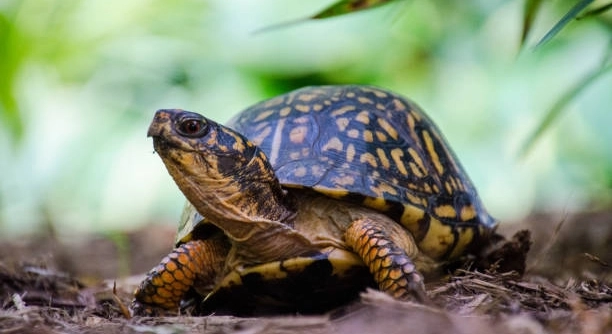
Box turtles can make fascinating pets, but like all creatures, they can be susceptible to diseases. It’s important to understand these potential health issues and how to prevent them to ensure your turtle’s well-being.
Several diseases, such as respiratory infections, shell rot, and parasites, can affect box turtles. These health issues can arise from poor care, improper habitat conditions, or lack of proper hygiene. Prevention involves maintaining a clean environment, providing a balanced diet, and regular health checks.
By understanding these diseases and their prevention methods, you can help protect your box turtle from potential harm and promote its long-term health.
Respiratory Infections in Box Turtles
Respiratory infections are one of the most common health issues in box turtles. These infections can develop if the turtle is exposed to cold temperatures or high humidity. Symptoms to watch for include wheezing, nasal discharge, and labored breathing. It’s important to maintain a warm, dry environment for your turtle. A consistent temperature, between 75 and 85 degrees Fahrenheit, will help prevent respiratory issues. Additionally, avoid placing your turtle in drafty or damp areas. If you notice signs of illness, consult a vet promptly for treatment.
Box turtles are highly susceptible to respiratory infections due to their need for stable, warm conditions. By making sure the habitat is well-maintained and monitoring the temperature, you reduce the risk of such infections significantly.
A healthy box turtle will be active and breathing freely. If your turtle is lethargic or showing signs of infection, seek veterinary care. Addressing issues early can prevent more severe complications and ensure your turtle remains healthy.
Shell Rot in Box Turtles
Shell rot occurs when a turtle’s shell is damaged, allowing bacteria or fungi to enter and cause an infection. This condition can be caused by poor living conditions, improper humidity, or injury to the shell. Symptoms include soft, discolored spots on the shell or a foul smell. Regular cleaning and checking for any cracks or sores on your turtle’s shell can help prevent this issue.
If shell rot is detected, it’s essential to keep the turtle in a dry, clean environment and avoid further trauma to the shell. Treatment involves cleaning the affected areas and possibly using medicated creams or ointments. Consult a vet for the best course of action.
Maintaining a dry, clean living space is crucial for preventing shell rot in box turtles. Ensure their habitat has proper ventilation and remove any standing water to avoid fungal and bacterial growth. Regularly inspect your turtle for signs of shell damage to catch issues early.
Parasites in Box Turtles
Parasites, including mites, ticks, and intestinal worms, can affect box turtles. These pests often enter the turtle’s habitat through contaminated food, water, or direct contact with other infected animals. Regularly cleaning your turtle’s living space and avoiding overcrowding can help keep these parasites at bay.
Intestinal worms, especially in younger turtles, can cause weight loss, lethargy, and digestive issues. To prevent parasitic infections, maintain proper hygiene and feed your turtle a well-balanced diet. Regular veterinary checkups can help detect and treat any internal parasites early, preventing further health complications.
If you suspect your turtle has parasites, consult a vet to confirm and begin treatment. Avoid feeding wild-caught insects or other unregulated foods to prevent bringing parasites into the habitat. Keeping the living space free from waste and debris is vital for maintaining a healthy environment for your box turtle.
Fungal Infections in Box Turtles
Fungal infections can occur when box turtles are exposed to high humidity or wet conditions for prolonged periods. These infections often affect the skin or shell and can cause discoloration, swelling, or lesions. A proper, dry, and well-ventilated habitat is key to preventing fungal growth.
Box turtles are highly susceptible to fungal infections, especially if they are housed in humid or poorly ventilated environments. To reduce this risk, regularly check the humidity levels in their habitat. If your turtle shows signs of fungal infection, prompt treatment with antifungal medication is necessary. Always consult a vet before beginning any treatments.
To avoid fungal infections, ensure your turtle’s enclosure is dry and has enough airflow. Use a substrate that allows for proper drainage and never leave standing water in the enclosure. By maintaining these conditions, you significantly reduce the chances of fungal growth and other health issues.
Vitamin Deficiencies in Box Turtles
A lack of essential vitamins can lead to a variety of health issues in box turtles, including poor shell growth and weakened immune systems. Common deficiencies include Vitamin A and calcium. Ensure your turtle’s diet includes a variety of fresh, nutritious foods rich in these vitamins.
Vitamin A deficiencies can cause eye issues and respiratory problems. Similarly, a lack of calcium can result in weak shells and bone deformities. Offering leafy greens, brightly colored vegetables, and calcium supplements can help maintain proper nutrition. Regularly check your turtle’s health to spot deficiencies early.
Dietary variety is essential in preventing vitamin deficiencies. Providing a well-rounded mix of foods can ensure that your box turtle receives all the necessary nutrients for optimal growth and health. If you’re unsure about their diet, consult a vet for guidance.
Overfeeding in Box Turtles
Overfeeding can be harmful to box turtles, leading to obesity and other related health issues. Always monitor the portion sizes and avoid feeding your turtle excessive amounts of food. Overfeeding can cause digestive issues and make your turtle sluggish.
A balanced diet with appropriate portion sizes is key. Overfeeding may seem harmless, but it can quickly lead to serious long-term health problems like fatty liver disease. Keep a regular feeding schedule and be mindful of the amounts given to your turtle to prevent weight gain.
Feeding your turtle the right amount not only helps prevent obesity but also promotes overall health. Offering a mix of protein, vegetables, and occasional fruits can keep your turtle’s diet in check while ensuring proper growth and energy.
FAQ
What should I do if my box turtle isn’t eating?
If your box turtle isn’t eating, it could be due to stress, improper temperature, or illness. Check the habitat’s temperature, humidity, and lighting to ensure they are within the proper range. A lack of appetite can also indicate a respiratory infection or parasitic issue, so a visit to the vet is recommended if the turtle’s behavior doesn’t improve.
How can I prevent my box turtle from getting shell rot?
To prevent shell rot, maintain a clean and dry habitat. Ensure that your turtle’s enclosure is well-ventilated and avoid excess moisture. Check the shell regularly for any signs of damage or soft spots. Proper lighting and temperature are also essential for overall shell health. If any issues are noticed, consult a vet for early treatment.
How often should I feed my box turtle?
Box turtles should be fed every other day, with the amount of food varying depending on their age, size, and activity level. Juvenile turtles may need more frequent feedings, while adults can eat less often. Offer a variety of food, including fresh vegetables, fruits, and protein sources, and avoid overfeeding to prevent obesity.
What is the best temperature for a box turtle’s enclosure?
The ideal temperature for a box turtle’s enclosure is between 75 to 85 degrees Fahrenheit during the day. At night, the temperature can drop slightly to around 70 degrees. Ensure your turtle has access to both a warm area and a cooler spot in the enclosure to regulate its body temperature.
How do I know if my box turtle has parasites?
Signs of parasites in box turtles include weight loss, lethargy, and changes in the stool, such as diarrhea or abnormal color. If you notice these symptoms, it’s important to take your turtle to the vet for a fecal exam. Early treatment can prevent further complications and help your turtle recover.
Can I house more than one box turtle together?
It’s best to house box turtles separately, especially if they are not used to living with others. Box turtles are territorial animals and may become aggressive, especially during breeding season. If you do decide to house multiple turtles, ensure the enclosure is large enough to provide each turtle with its own space.
How do I handle a sick box turtle?
If your box turtle is sick, first check its environment. Make sure the temperature, humidity, and lighting are correct. If these are all within the proper ranges and the turtle is still unwell, visit a vet for diagnosis and treatment. Never attempt to self-medicate your turtle without professional guidance.
Why is my box turtle’s shell soft?
A soft shell can indicate a calcium deficiency, poor diet, or improper lighting. Box turtles require calcium for strong shell growth, and a lack of UVB light can prevent them from absorbing it. Make sure your turtle’s diet includes calcium-rich foods and that it has access to UVB lighting to support shell health.
Can I give my box turtle water from the tap?
Tap water can be used for your box turtle, but it’s essential to let it sit for 24 hours or treat it with a dechlorinator. Chlorine and other chemicals in tap water can be harmful to your turtle. It’s important to provide clean, fresh water at all times for drinking and soaking.
What can I do to keep my box turtle’s habitat clean?
To keep your box turtle’s habitat clean, regularly remove any uneaten food, droppings, and soiled substrate. Perform a deep cleaning of the enclosure every couple of weeks. Replace the water in the soaking dish daily and wipe down surfaces to remove any waste. A clean habitat helps prevent disease and promotes your turtle’s overall health.
How do I provide proper UVB lighting for my box turtle?
UVB lighting is crucial for your box turtle’s health, as it helps with calcium absorption and promotes healthy shell growth. Provide a UVB bulb in your turtle’s enclosure, ensuring it’s positioned within 12 inches of the basking area. Replace the bulb every six months, as UVB output decreases over time.
What type of substrate is best for a box turtle?
The best substrate for a box turtle’s enclosure is one that mimics its natural environment. Options like coconut coir, shredded bark, or topsoil are ideal. Avoid sand or gravel, as they can cause impaction if ingested. The substrate should be easy to clean and able to hold moisture for humidity.
Is it necessary to take my box turtle to the vet regularly?
While regular vet visits are not always necessary, it’s a good idea to schedule an annual check-up, especially as your turtle ages. A vet can help identify any health issues early, check for parasites, and ensure your turtle’s diet and habitat are appropriate. If you notice changes in behavior or appetite, a vet visit is recommended.
How can I tell if my box turtle is stressed?
Signs of stress in box turtles include hiding excessively, lack of appetite, or erratic behavior. Stress can be caused by improper temperature, humidity, overcrowding, or sudden changes in the environment. Ensuring a stable, comfortable habitat can help reduce stress and allow your turtle to thrive.
How do I handle a baby box turtle?
Baby box turtles require special care, especially when it comes to diet and habitat. Their enclosure should be smaller than that of an adult, with higher humidity levels. Feed them small amounts of food daily, offering a mix of protein, fruits, and vegetables. Be extra cautious when handling babies, as they are more fragile than adults.
Final Thoughts
Taking care of a box turtle requires attention to their habitat, diet, and health. These creatures thrive in environments that mimic their natural surroundings, with proper temperature, humidity, and lighting. Ensuring your turtle has enough space to roam and hide is just as important as providing the right food. Regularly monitor their health by checking for signs of stress, illness, or nutritional deficiencies. A proper balance in diet and care can help prevent many common health issues like shell rot or vitamin deficiencies.
It’s essential to be patient and consistent when caring for your box turtle. They are not high-maintenance pets, but they do require commitment. By following proper care guidelines, you can ensure they live a long and healthy life. For example, maintaining a clean habitat and offering the right foods can prevent diseases and stress. Likewise, having a reliable UVB light source and calcium supplements will keep their bones and shell strong. Don’t forget to regularly monitor their behavior, as changes might indicate something’s wrong.
Ultimately, caring for a box turtle can be a rewarding experience. While they do need specific care to stay healthy, they are relatively low-maintenance compared to other pets. With the right environment, food, and attention, you’ll create the perfect space for your box turtle to thrive. Over time, you will learn more about their individual needs and preferences, making it easier to provide them with the best possible care. Keep their environment stable, and your box turtle will live a long, happy life.

Hello,
If you enjoy the content that we create, please consider saying a "Thank You!" by leaving a tip.
Every little bit helps us continue crafting quality advice that supports the health, happiness, and well-being of pets around the world, for pets of all shapes, sizes, and species.
We really appreciate the kindness and support that you show us!