
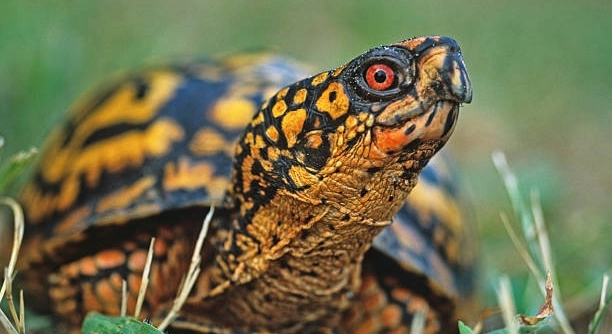
Hatchlings often spend more time basking as they adjust to their environment. This behavior is linked to their need for warmth, which helps regulate body temperature and promotes healthy growth. Understanding why they do this can be insightful.
Hatchlings bask more frequently to maintain their body temperature and support key biological processes. As cold-blooded animals, they rely on external heat sources to regulate their metabolism, digestion, and overall development. Basking is essential for their survival and growth.
Basking offers essential benefits to hatchlings, ensuring they thrive in their early stages of life. Keep reading to learn more about the reasons behind this behavior and how it affects their well-being.
Why Basking is Crucial for Hatchlings’ Growth
Hatchlings depend on basking to regulate their body temperature. As cold-blooded creatures, they can’t produce their own heat and need external sources to stay warm. This warmth is essential for their metabolism, digestion, and general health. Without adequate warmth, hatchlings can struggle to grow properly. Basking also helps them absorb vital UVB rays, which are crucial for calcium absorption and bone development. When hatchlings soak in the sun or bask under heat lamps, they’re making sure their internal systems function at their best.
The act of basking is part of a natural cycle that helps hatchlings develop strong bones and a healthy immune system. It may seem like a simple behavior, but it plays a vital role in their long-term well-being.
When hatchlings bask, they engage in a process known as thermoregulation. By moving closer to a heat source or away from it, they maintain the right body temperature. This enables them to digest food efficiently and helps maintain energy levels. The warmth also supports their immune system, which is essential during their early stages of life.
Basking Affects Digestion
Basking allows hatchlings to digest food more effectively. Without the necessary heat, their digestive systems may slow down. They can experience problems absorbing nutrients from their food, which could impact their growth. Proper digestion is key for survival in these early stages.
As hatchlings bask, their metabolism speeds up, helping them convert food into energy and absorb nutrients more efficiently. This is crucial for their rapid development. The heat also supports the breakdown of proteins and other nutrients in their food, ensuring healthy growth. Without basking, hatchlings may not be able to properly digest the food they consume, leading to stunted growth or illness.
Basking and Bone Development
Basking provides hatchlings with essential UVB exposure, which helps them produce vitamin D. This vitamin is crucial for the absorption of calcium, a key element for bone development. Without proper basking, hatchlings may suffer from weakened bones and deformities.
The warmth from basking not only supports vitamin D production but also ensures proper calcium absorption. This process is vital during early growth stages, as their bones are still developing. Without enough calcium, hatchlings can face growth issues or even metabolic bone disease. Consistent exposure to heat is necessary for healthy bone formation.
By absorbing UVB rays during basking, hatchlings build the foundation for strong skeletal development. This contributes to their ability to move and hunt as they mature. Ensuring they have proper access to basking areas directly affects their physical growth and overall health. This is why monitoring basking time is so important.
Basking for Energy Regulation
Basking helps hatchlings maintain their energy levels by regulating their body temperature. As cold-blooded creatures, they rely on external heat sources to fuel their daily activities. Without proper basking, they might become lethargic and less active.
The ability to stay active is closely tied to their body temperature. When hatchlings are warm enough, they can move around more, search for food, and stay alert. Lack of basking causes their metabolism to slow, leading to a decrease in energy levels. This can make it difficult for them to hunt or interact with their environment, affecting their growth and survival.
Their natural instinct to bask ensures they maintain the energy needed for normal daily functions. Without enough warmth, hatchlings might struggle to stay awake or remain alert long enough to catch food. It’s essential to create an environment that allows them to regulate their temperature by offering suitable basking spots.
Basking and Immune System Health
Basking helps hatchlings maintain a healthy immune system by providing the warmth needed for proper metabolic function. When they bask, they absorb UVB rays that enhance immune responses and keep them strong.
The exposure to heat also supports the natural production of white blood cells, which fight infections. Without adequate basking, hatchlings may become more vulnerable to illness, affecting their overall well-being. This is why consistent basking is vital in ensuring they stay healthy and strong.
Temperature Regulation and Stress Relief
Temperature regulation through basking helps hatchlings avoid stress. Maintaining the correct body temperature reduces stress levels, making them feel secure and more at ease.
When hatchlings are too cold, their bodies enter a state of stress, which can hinder growth. By ensuring they bask regularly, you help reduce this stress, allowing them to thrive.
FAQ
How often should hatchlings bask?
Hatchlings should be given ample time to bask every day. Depending on the species, they may need anywhere from 4 to 12 hours of basking time to regulate their body temperature and absorb UVB rays. It’s important to observe them and ensure they have access to a heat source whenever they need it. Some species, like turtles, will bask for several hours at a time, while others may need shorter intervals. Monitor their behavior to ensure they’re not overheating or avoiding the heat source altogether.
What happens if hatchlings don’t bask enough?
If hatchlings don’t bask enough, their growth and development can be negatively affected. Without proper temperature regulation, they might struggle to digest food, absorb essential nutrients, or develop strong bones. Insufficient basking also weakens their immune system, making them more susceptible to illnesses. It’s crucial to provide them with the right temperature gradient in their enclosure to support their health.
Can hatchlings bask too much?
Yes, hatchlings can overheat if they bask for too long or if their heat source is too intense. Overexposure to high temperatures can lead to dehydration, heat stress, or burns. It’s important to provide a basking area with a temperature range that allows hatchlings to regulate their heat intake. If they seem lethargic or overly active, it may be a sign they need to cool down or move to a shaded spot. Providing a cool area within their habitat allows them to self-regulate.
What kind of light should I use for basking?
Hatchlings need access to UVB light for optimal health. A UVB bulb specifically designed for reptiles is the best option, as it provides the necessary rays for vitamin D production and calcium absorption. In addition to UVB light, a heat lamp can be used to maintain the right temperature in the basking area. Be sure to replace these bulbs regularly, as their UVB output decreases over time. It’s also important to position the light source at the proper distance from the hatchling to prevent overheating or inadequate UV exposure.
What temperature should the basking area be?
The temperature of the basking area should be carefully monitored to ensure it’s suitable for the species of hatchling. For most reptiles, basking areas should be between 85°F and 95°F (29°C to 35°C). However, some species may need slightly higher or lower temperatures. It’s important to use a reliable thermometer to check the temperature regularly. Keep in mind that hatchlings need a gradient of temperatures, allowing them to move between cooler and warmer areas as needed.
Do hatchlings need a separate basking area?
Yes, hatchlings should have a dedicated basking area in their enclosure. This area should have both a heat source and a UVB light to support their metabolic functions. It should be large enough for them to move around and choose the perfect spot based on their temperature needs. A basking platform, such as a rock or branch, can provide a place to rest while basking. Ensure the area is easy to access but also has enough space for the hatchling to retreat to a cooler part of the enclosure when needed.
Can hatchlings bask in natural sunlight?
Natural sunlight is an excellent source of both heat and UVB rays. If possible, provide your hatchlings with access to natural sunlight in a safe and controlled manner. However, be cautious about overheating, as direct sunlight can cause the temperature in the basking area to rise quickly. A few hours of direct sunlight, followed by a cool-down period, can help hatchlings get the necessary UV exposure. Always monitor them closely to avoid heat stress or burns.
What signs indicate that my hatchling is getting too much heat?
Signs that your hatchling is getting too much heat include excessive panting, lethargy, or hiding from the basking spot. If they’re not moving around as usual or appear to be trying to escape the heat source, it’s a sign they may be overheated. You may also notice them seeking out cooler areas more frequently. It’s important to adjust the temperature of the basking area or provide a cooler spot where they can regulate their body temperature.
How can I make sure my hatchling is basking properly?
To ensure your hatchling is basking properly, observe their behavior. They should spend a significant portion of their day basking, moving between heat and cooler spots as needed. Keep the temperature in the basking area within the recommended range and ensure they have access to UVB light. If you notice that your hatchling isn’t basking as much, check if the heat source is too intense or if they’re stressed due to their environment. Regularly monitor their health and growth to make sure they are thriving.
Should I offer food during basking?
It’s best not to offer food while your hatchling is basking. Basking is a time for them to focus on regulating their temperature and absorbing UVB rays. Feeding during basking could cause them to be distracted or prevent them from fully benefiting from the basking process. It’s better to offer food once they’ve finished basking and are more active. However, ensure that they have a balanced diet that supports their growth and development in their active hours.
What if my hatchling isn’t basking at all?
If your hatchling isn’t basking, it could be a sign of an underlying problem. Check the temperature of the basking area, the UVB light output, and ensure there are no stress factors in their environment. Sometimes, hatchlings may avoid basking if they feel unsafe or are not comfortable with the heat. If the problem persists, consider consulting a veterinarian who specializes in reptiles to rule out health issues.
Final Thoughts
Hatchlings rely on basking to maintain their health and development. Providing them with a proper basking environment is crucial for their growth, immune function, and overall well-being. They need access to warmth and UVB light to regulate their body temperature and absorb essential nutrients. Without enough basking time, hatchlings may become vulnerable to illnesses, stress, and growth issues. It’s important to monitor their basking habits and ensure they are getting enough exposure to both heat and light. Consistency in their environment will help them thrive and grow into healthy adults.
Creating the right habitat for hatchlings means balancing temperature, lighting, and space. A basking area with the proper heat source and UVB lighting is essential. Hatchlings should have access to a cool area as well, where they can retreat when needed. This temperature gradient allows them to self-regulate and choose where they feel most comfortable. It’s also important to check the basking area regularly to ensure it’s not too hot or cold, which could stress them out or cause health issues. With the right setup, hatchlings can bask effectively and remain healthy.
In conclusion, the process of basking is not only a natural behavior but a vital part of a hatchling’s growth and health. By offering a controlled environment where they can bask comfortably, you’re setting them up for success. Whether using artificial lighting or natural sunlight, hatchlings need consistent access to these essential resources. As you care for them, remember that the right balance is key, and a little observation can go a long way in ensuring they thrive. Keep an eye on their habits, and adjust as needed to support their well-being.

Hello,
If you enjoy the content that we create, please consider saying a "Thank You!" by leaving a tip.
Every little bit helps us continue crafting quality advice that supports the health, happiness, and well-being of pets around the world, for pets of all shapes, sizes, and species.
We really appreciate the kindness and support that you show us!