
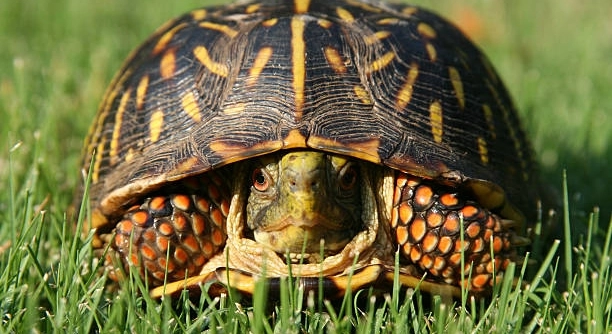
Taking care of box turtles requires attention to their environment and well-being. Stress can be harmful to these reptiles, and recognizing the signs of distress is crucial for their health.
Box turtles can exhibit various signs of stress, such as changes in behavior, reduced activity, loss of appetite, or abnormal basking habits. Identifying these signs early helps in addressing the stress factors and promoting better health.
Understanding the signs of stress in box turtles will allow you to provide the right care. By addressing these concerns, you can help your turtle feel safe and comfortable in its environment.
1. Changes in Behavior: What to Look For
If your box turtle suddenly becomes more reclusive or avoids its usual activities, stress could be the reason. Turtles are creatures of habit, and any shift in their behavior can signal discomfort. A turtle that hides more often than usual may feel unsafe or overwhelmed. It could also become aggressive, displaying territorial behavior or biting. If the stress continues for a long time, it may show signs of depression, such as a lack of interest in interacting or exploring its environment.
Stress can also cause changes in movement. A turtle that is stressed might pace back and forth or move erratically. This is especially true if its enclosure doesn’t meet its needs. It’s important to keep an eye on your turtle’s normal routine and habits to spot these signs early. Addressing the environment right away can make a huge difference in your turtle’s well-being.
Understanding these behavior shifts can help you create a more relaxed environment for your box turtle. Providing a secure habitat with appropriate hiding spots, the right temperature, and humidity levels can alleviate stress and encourage more natural behavior.
2. Changes in Appetite and Eating Habits
Stress can significantly impact a box turtle’s appetite. If your turtle is refusing food or eating much less than usual, it might be stressed.
A stressed turtle may lose interest in its meals or stop eating altogether. It’s crucial to pay attention to any changes in feeding habits and offer a variety of fresh food options. Stress can make them more picky or hesitant, but this often improves once they feel safe again.
3. Decreased Activity and Movement
When stressed, box turtles may stop exploring or moving around as much. If your turtle suddenly becomes lethargic or stays in one spot for extended periods, this could indicate discomfort or anxiety. Stress can affect its energy levels, causing it to retreat into its shell more often.
Lack of movement is a common response to stress in turtles, especially if their enclosure is too small or the temperature is wrong. In some cases, they may seem less interested in basking or even avoid sunlight. Regular exercise is essential for turtles, so if this behavior continues, you’ll need to assess the environment. Too much noise, excessive handling, or poor habitat conditions can all contribute to the problem. If your turtle’s activity levels decrease dramatically, consider making changes to its environment to restore balance and promote a healthier lifestyle.
Providing an environment with plenty of space and stimulating activities can help encourage movement. Adding safe plants, hiding spots, or other enrichment items can motivate your turtle to explore again.
4. Abnormal Basking Habits
Box turtles rely on basking to regulate their body temperature. Stress can disrupt this natural behavior, causing your turtle to either avoid basking spots or bask excessively. If your turtle stops basking or seems reluctant to spend time under the heat source, it’s worth looking into the conditions of its habitat.
Sometimes, a stressed turtle may bask in uncomfortable spots or positions. If the temperature of the basking area is too high or low, this could make your turtle feel anxious or unsafe. Check the temperatures regularly, and make sure they match the specific needs of your species. A turtle that isn’t basking enough can become weak or unhealthy over time. Keep a watchful eye on how often your turtle spends in the basking area, and adjust it as necessary to restore a more natural routine. A proper basking spot is crucial for your turtle’s overall health.
5. Shell Health Issues
A stressed box turtle may start showing signs of shell problems. This includes soft spots, discoloration, or abnormal growth. Stress can lower its immune system, making it more vulnerable to infections or injuries.
Check for any unusual changes to the shell, as this could indicate stress-related health problems. If the shell becomes soft or cracked, it’s important to consult a vet. Proper nutrition and a suitable environment are essential to shell health. When stress is addressed, these issues are less likely to develop.
6. Unusual Breathing or Noises
Stress can affect your turtle’s respiratory system. If you notice wheezing, labored breathing, or unusual sounds, this could be linked to stress or infection. A turtle’s respiratory system is delicate, and stress weakens it.
Poor humidity levels, inadequate temperature, or improper diet can lead to these problems. Ensure the habitat is kept at proper temperature ranges and humidity levels. Any breathing issues should be checked immediately by a vet, as they can worsen if ignored.
7. Aggressive or Nervous Behavior
Stress often leads to increased aggression or nervousness in box turtles. If your turtle becomes more defensive, hissing, or biting, it’s likely experiencing stress. These reactions can also occur when the turtle feels threatened by sudden changes or an overcrowded environment.
Make sure the turtle’s environment is secure and free of disturbances. Over-handling, loud noises, or too much interaction can contribute to heightened stress. Allow your turtle to have a calm, peaceful space where it can retreat if it feels anxious.
FAQ
How can I tell if my box turtle is stressed?
Look for changes in behavior like reduced movement, loss of appetite, or excessive hiding. If your turtle is suddenly less active, not basking, or shows signs of aggression, stress might be the cause. Monitoring these behaviors can help you identify when something is wrong.
What are the most common causes of stress in box turtles?
Stress in box turtles is often caused by improper habitat conditions, such as incorrect temperature, humidity, or lighting. Overcrowded enclosures or too much handling can also make them feel stressed. It’s important to ensure their environment is quiet, safe, and comfortable to reduce stress.
How can I create a stress-free environment for my box turtle?
To create a stress-free environment, make sure the habitat has the correct temperature and humidity levels. Box turtles need a basking area with a heat source and a cooler area to retreat to. The enclosure should also have hiding spots and enough space to move around. Avoid loud noises and excessive handling to keep them comfortable.
Can stress cause long-term health problems in box turtles?
Yes, stress can lead to health problems like weakened immune systems, poor shell growth, and respiratory infections. Chronic stress can also cause eating and behavioral problems. If stress is left unaddressed, it may affect your turtle’s overall well-being and lifespan.
What should I do if my turtle stops eating due to stress?
If your turtle stops eating, try to identify the cause of the stress. Ensure the habitat is suitable, with correct temperatures, humidity, and hiding spots. If the stressor is environmental, adjusting the enclosure should help. If the problem persists for more than a few days, consult a veterinarian.
How often should I handle my box turtle?
Limit handling to avoid unnecessary stress. Only handle your box turtle when necessary, such as for cleaning its enclosure or during health checks. Over-handling can make turtles feel unsafe and anxious. Let your turtle roam and explore its space freely to feel more comfortable.
Can other pets in the house cause stress to my box turtle?
Yes, other pets like dogs or cats can stress your turtle if they invade its space. The presence of predators can make box turtles feel threatened. It’s best to keep your turtle’s enclosure in a quiet, calm area of your home, away from other animals.
Why is my turtle hiding so much?
Hiding is a common response to stress, but it could also be related to temperature or lighting issues. If the turtle feels unsafe or its habitat isn’t comfortable, it may retreat into its shell to protect itself. Check the enclosure for any environmental factors that could be causing discomfort.
Can I use supplements to reduce stress in my box turtle?
Supplements alone are not a solution for stress, but they can support overall health if your turtle is stressed due to poor nutrition. Ensure that your turtle has a balanced diet with appropriate vitamins and minerals. Also, addressing the root cause of stress is crucial for long-term well-being.
What are the signs of a respiratory infection in box turtles?
Signs of a respiratory infection include wheezing, labored breathing, or nasal discharge. A turtle with a respiratory infection may also have a decreased appetite or lethargy. If you notice any of these symptoms, it’s important to consult a vet immediately. Stress can make these infections worse if not treated quickly.
How do I know if my turtle’s shell is healthy?
A healthy shell should be hard and smooth without any soft spots or discoloration. If the shell feels spongy or soft, this may be a sign of a health issue, often linked to stress or nutritional deficiencies. Keep the turtle’s habitat conditions ideal and provide a proper diet to support shell health.
Can temperature fluctuations cause stress in box turtles?
Yes, temperature fluctuations can cause stress in box turtles. If the enclosure is too hot or too cold, your turtle will feel uncomfortable. Turtles rely on a stable temperature to regulate their body functions. Make sure the basking spot is warm enough while also providing a cooler area for the turtle to retreat.
Should I take my box turtle to a vet if I suspect stress?
If the signs of stress are persistent or affecting your turtle’s health, a visit to the vet is a good idea. A veterinarian can rule out any underlying medical issues and help you adjust the turtle’s care routine. Early intervention can prevent long-term health problems.
Final Thoughts
Stress in box turtles can be harmful to their health and well-being. It is important to understand the signs of stress and address them as soon as possible. The most common signs include changes in behavior, appetite, and activity levels. If your turtle becomes more reclusive, stops eating, or becomes unusually aggressive, these are all red flags that stress may be the cause. Stress can also show up in physical symptoms like shell problems or abnormal breathing patterns. By observing your turtle closely, you can spot these signs early and take steps to reduce the stress.
Creating a comfortable and secure environment for your box turtle is key to preventing stress. Ensure that the habitat has the right temperature, humidity, and lighting to meet your turtle’s needs. Providing plenty of space for your turtle to roam and hide can make it feel safe and less anxious. It is also important to minimize handling and avoid sudden changes to the environment that could startle your turtle. Consistency is crucial in helping your turtle feel at ease. When the conditions in the enclosure are just right, your turtle will feel more comfortable and less likely to experience stress.
If you’ve tried adjusting your turtle’s environment and it still shows signs of stress, it’s a good idea to seek professional help from a veterinarian. They can help identify any underlying health issues that may be contributing to the stress and offer advice on how to improve your turtle’s care. Stress that goes unaddressed for too long can lead to long-term health problems, so it’s important to act quickly. By understanding the signs of stress and making the necessary changes, you can help ensure your box turtle lives a happy, healthy life.

Hello,
If you enjoy the content that we create, please consider saying a "Thank You!" by leaving a tip.
Every little bit helps us continue crafting quality advice that supports the health, happiness, and well-being of pets around the world, for pets of all shapes, sizes, and species.
We really appreciate the kindness and support that you show us!