
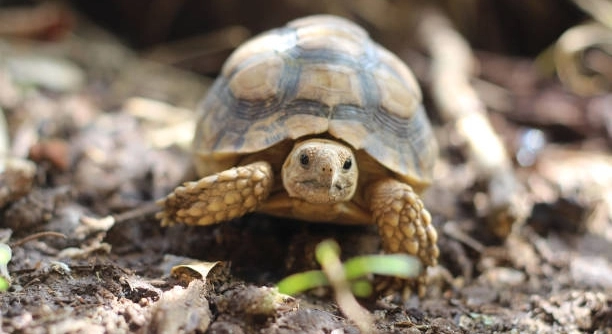
Box turtles are fascinating creatures, but new owners often have questions about their care and needs. Understanding how to properly care for them is essential for a happy and healthy pet.
Box turtles are relatively low-maintenance reptiles but require specific care. They need a balanced diet, a suitable habitat, and proper hydration. Understanding their unique needs, such as their preference for a humid environment and specific temperature range, is essential for their well-being.
Learning how to care for a box turtle will help ensure their health and longevity as a pet. Proper care leads to a rewarding experience with your turtle companion.
Proper Diet for Box Turtles
Feeding box turtles requires a variety of foods to ensure they get all the nutrients they need. Their diet should include a mix of leafy greens, vegetables, fruits, and proteins. They enjoy foods like dandelion greens, collard greens, and squash. A small amount of animal protein, like worms or insects, should also be offered. Be sure to avoid feeding them foods high in oxalates, like spinach, as it can interfere with calcium absorption. Always provide fresh water for drinking and soaking, as hydration is important for their health.
Box turtles also need calcium to maintain strong shells. Offering calcium supplements, such as cuttlebone, is a good way to ensure they get enough. In addition, vitamin A is crucial for their immune system, so be sure to provide foods rich in this nutrient. Variety is key to a balanced diet, so try different food combinations to keep your turtle satisfied.
The right diet for box turtles supports their growth and longevity. Providing them with a balanced and varied menu will help avoid health issues, making sure they live a long, healthy life in your care.
Creating the Ideal Habitat
Providing an ideal habitat for your box turtle is essential for its well-being. A spacious enclosure with both land and water areas is necessary.
Box turtles enjoy a humid environment, so maintaining proper humidity levels is important. You can achieve this by misting their habitat regularly and using a substrate that retains moisture, like coconut coir or sphagnum moss. Ensure they have hiding spots where they can retreat for privacy and security. Additionally, they need access to a heat source, such as a basking lamp, to maintain their body temperature.
A well-maintained habitat ensures your box turtle stays comfortable and healthy. Regular cleaning, temperature monitoring, and humidity management are all vital in supporting your turtle’s needs.
Temperature and Lighting Needs
Box turtles need a specific range of temperatures to stay healthy. The basking area should be around 85-90°F, while the cooler side of the habitat should stay between 70-75°F.
Providing both heat and UVB lighting is crucial. The heat source, like a basking lamp, helps them regulate their body temperature, while UVB lighting aids in calcium absorption and shell health. Ensure the light is positioned properly, so your turtle can access both warmth and UVB exposure during the day. Without proper lighting, their immune system may weaken over time.
Maintaining the correct temperature range is vital for your turtle’s metabolism and overall health. By offering consistent warmth and UVB light, you can ensure they are thriving in their environment.
Hydration for Box Turtles
Keeping your box turtle hydrated is essential for its health. They should have access to fresh water at all times.
Provide a shallow dish of water large enough for them to soak in. Box turtles enjoy soaking, as it helps them stay hydrated and aids in digestion. The water should be changed daily to prevent bacteria buildup. While box turtles don’t require as much water as aquatic turtles, they still need regular access to fresh water to avoid dehydration.
Proper hydration supports a healthy shell, digestive system, and overall energy levels.
Handling and Interaction
Box turtles are not as social as some other pets, but they can enjoy gentle interaction. They do not need frequent handling, as it can stress them out.
When handling, be sure to support their body properly. Avoid picking them up by their shell or tail. If you need to move them, gently lift them by both sides of their shell. This ensures they feel secure and safe while being handled.
Over time, your turtle may become more accustomed to interaction, but always respect their space and comfort.
Health Monitoring
Regularly check your box turtle for any signs of illness. Common health issues include respiratory infections, shell rot, and dehydration.
Look for changes in behavior, such as lack of appetite, lethargy, or difficulty moving. Any signs of swelling, discolored spots on the shell, or nasal discharge should be addressed immediately.
By monitoring their health and environment, you can quickly detect potential issues and ensure they stay healthy.
Shedding and Growth
As box turtles grow, they shed their scutes, the outer layers of their shells. This is a normal process that happens periodically.
Ensure that your turtle’s habitat remains clean and free from bacteria. This helps the shedding process and keeps their shell healthy. Proper humidity levels also aid in shedding, preventing the scutes from sticking to the shell.
Monitor your turtle’s growth to ensure it is developing properly. Overfeeding can lead to unhealthy weight gain.
FAQ
What should I feed my box turtle?
Box turtles need a variety of foods to stay healthy. Their diet should consist of leafy greens, such as dandelion greens and collard greens, and vegetables like squash and carrots. Fruits like strawberries, apples, and berries can be offered occasionally. They also need some protein, like worms, insects, or even small pieces of cooked meat. Always avoid feeding them too many high-oxalate foods like spinach, as it can interfere with calcium absorption.
How often should I feed my box turtle?
Box turtles should be fed 2-3 times a week. It’s important to offer a balanced mix of vegetables, fruits, and proteins during each feeding. Overfeeding can lead to obesity and health problems, so portion control is key. Remove any uneaten food after a few hours to keep the habitat clean.
How do I maintain the right temperature for my box turtle?
To keep your box turtle healthy, you need to provide a temperature gradient in its enclosure. The basking area should be 85-90°F, while the cooler end should range from 70-75°F. Use a heat lamp to maintain the proper temperature and a thermometer to monitor the environment. Box turtles also need UVB light to help them absorb calcium.
Can box turtles live outside?
Yes, box turtles can live outside if the climate is suitable. They need a secure, enclosed outdoor space where they can roam, soak, and bask. The habitat should have both shady and sunny areas, along with proper access to water and food. Be sure the enclosure is predator-proof and that temperatures do not drop too low in winter. If kept outside, box turtles still need shelter from extreme weather conditions.
How much space does a box turtle need?
Box turtles require plenty of space to roam. A large enclosure with a minimum of 10 square feet is ideal, but bigger is better. The enclosure should be designed to mimic their natural environment, with areas for basking, hiding, and soaking. A more spacious enclosure promotes healthy movement and mental stimulation.
How do I know if my box turtle is sick?
Signs of illness in box turtles include a lack of appetite, lethargy, nasal discharge, or swelling of the eyes or limbs. If your turtle is having trouble moving or shows unusual behavior, it may be ill. Pay attention to changes in their shell, such as discoloration or soft spots, which can indicate health problems like shell rot.
Can I keep multiple box turtles together?
Box turtles can be territorial and may not always get along with other turtles. If you plan to house multiple turtles together, ensure the enclosure is large enough to allow each turtle to have its own space. There should be plenty of hiding spots and food to reduce stress. Monitor them for signs of aggression or fighting and separate them if necessary.
What kind of substrate should I use in my box turtle’s enclosure?
A suitable substrate for a box turtle’s enclosure is one that retains moisture while allowing for proper drainage. Options include coconut coir, sphagnum moss, or a mix of soil and sand. Avoid using pine or cedar shavings, as they can be harmful to your turtle. Keep the substrate clean and dry to prevent mold and bacteria growth.
How often should I clean my box turtle’s enclosure?
Cleaning your box turtle’s enclosure is essential for preventing bacteria buildup and maintaining a healthy environment. Spot clean daily by removing uneaten food and waste. Perform a deep clean of the entire enclosure every 1-2 weeks, changing the substrate and disinfecting the surfaces. Make sure to dry the enclosure completely before setting it up again.
Do box turtles hibernate?
Yes, box turtles can hibernate in the wild, especially in cooler climates. If you plan to let your box turtle hibernate, ensure that they are healthy and that the hibernation process is properly managed. The hibernation period typically lasts from late fall to early spring. Keep them in a cool, dark, and dry area to allow natural hibernation to occur. If your turtle is kept indoors, it may not need to hibernate.
What is the lifespan of a box turtle?
Box turtles can live for a long time, often reaching 50 years or more with proper care. In the wild, their lifespan can be shorter due to predators and environmental hazards. In captivity, providing a healthy diet, suitable living conditions, and regular health checks can help extend their life. Proper care is key to helping your box turtle live a long, healthy life.
Can box turtles swim?
Box turtles are not aquatic turtles, so they do not spend much time swimming. However, they enjoy soaking in shallow water. It’s important to provide a shallow dish where they can bathe, but they should not be fully submerged for long periods. They may attempt to swim, but they are not as adept at it as aquatic species. Make sure they have enough land area to dry off and bask.
What kind of light does my box turtle need?
Box turtles require UVB lighting to help them metabolize calcium and maintain healthy shell growth. They also need access to a basking light to help regulate their body temperature. Set up a UVB light that covers the turtle’s basking area and ensure it is replaced every six months, as UVB light loses its effectiveness over time.
How do I prevent shell rot?
Shell rot is often caused by bacterial or fungal infections, usually due to excessive moisture or poor hygiene in the enclosure. To prevent shell rot, maintain clean, dry conditions in the habitat and provide a balanced diet. If you notice soft spots or unusual discoloration on the shell, seek immediate veterinary care.
Final Thoughts
Caring for a box turtle requires attention to detail and a commitment to providing a proper environment. These turtles thrive when given space to roam, a balanced diet, and appropriate lighting. Maintaining the right temperature gradient in their enclosure is essential for their well-being. Their habitat should have both a warm basking area and a cooler space where they can regulate their body temperature. Regular cleaning of the enclosure also helps prevent bacteria buildup, ensuring that your turtle stays healthy.
Understanding the needs of a box turtle is key to keeping them happy and healthy for many years. They are low-maintenance pets compared to some other species, but they still require daily care and a consistent environment. Offering them a variety of foods, including leafy greens, fruits, and proteins, helps maintain their nutritional balance. Monitoring their health and behavior is important for detecting any signs of illness early. Regularly checking their shell for any issues, such as soft spots or discoloration, can help prevent more serious problems.
Lastly, while box turtles can live for several decades, they do require ongoing care throughout their life. Keeping them in an outdoor enclosure can work, but only in suitable climates where they are protected from extreme weather. If kept indoors, they need an adequately sized enclosure with proper lighting and a space to soak. Whether indoors or outdoors, their health and comfort should always be prioritized. With the right care, your box turtle can thrive and become a rewarding pet for years to come.

Hello,
If you enjoy the content that we create, please consider saying a "Thank You!" by leaving a tip.
Every little bit helps us continue crafting quality advice that supports the health, happiness, and well-being of pets around the world, for pets of all shapes, sizes, and species.
We really appreciate the kindness and support that you show us!