
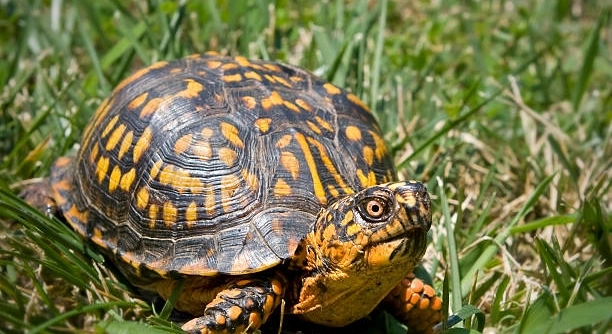
Box turtles are known for their distinctive shells, but sometimes these shells can face problems. Understanding the signs of shell issues is essential for maintaining a healthy turtle. Here are seven symptoms to watch for.
The most common symptoms of shell problems in box turtles include cracks, discoloration, soft spots, and abnormal growths. These signs can indicate infections, injuries, or other underlying health issues that need prompt attention and proper care.
By recognizing these symptoms early, you can help ensure your turtle’s well-being. The following guide will outline each symptom and offer advice on how to address them effectively.
Cracks in the Shell
A box turtle’s shell is its most defining feature, offering protection and structure. If you notice cracks, it could be a sign of an injury or underlying health condition. Shell cracks can appear suddenly or develop over time, often due to rough handling, accidents, or improper habitat conditions.
Cracks in the shell require immediate attention. If left untreated, the cracks can lead to infections, weakening the shell further. A cracked shell can also cause pain or discomfort for your turtle, affecting its overall health.
Make sure your turtle’s habitat is safe, with a secure environment to prevent falls or injuries. The shell should remain dry and clean to avoid bacterial growth, and the turtle should have access to a healthy, balanced diet to ensure its shell remains strong. Regularly check for cracks, especially if your turtle seems less active or hesitant to move. Proper care and early intervention can prevent further damage and keep your turtle comfortable.
Discoloration of the Shell
Shell discoloration is another common symptom. If your turtle’s shell turns a pale or dark color, it may indicate a nutritional imbalance or fungal infection. This can also be caused by exposure to harsh chemicals or inadequate lighting.
Discoloration often appears in patches and may worsen if ignored. To treat this, provide your turtle with a balanced diet that includes enough calcium and vitamin D. Ensure it gets enough UV light, which is vital for shell health. If discoloration persists, it’s important to consult a vet for an accurate diagnosis and treatment.
Soft Shell Spots
A soft spot on a box turtle’s shell is a clear indicator that something is wrong. It may be caused by a deficiency in calcium or improper care, including inadequate lighting or a poor diet. Soft spots are particularly concerning as they can indicate shell rot or metabolic bone disease, which can lead to long-term issues.
If soft spots appear, it’s essential to evaluate your turtle’s diet. Ensure they are receiving sufficient calcium to help harden the shell. You should also assess your turtle’s environment, making sure they have access to UV light and proper humidity levels. If the soft spots persist or seem to grow, it may be necessary to take your turtle to a vet for professional care. Keeping a close watch on your turtle’s shell can prevent the condition from worsening and help your turtle stay healthy.
Abnormal Growths
Abnormal growths on a box turtle’s shell are often signs of infection, parasites, or other serious conditions. These growths can range from small, raised bumps to large, misshapen areas. They might also appear as scaly patches or lesions on the shell.
Growths on the shell should never be ignored. Some of these may be benign, but others can be an indication of more serious issues like fungal infections or shell rot. It’s important to observe the growth carefully and monitor any changes in size or texture. A visit to a veterinarian is recommended if the growths seem unusual or continue to develop.
If abnormal growths are detected early, the chances of successful treatment increase significantly. Regularly check your turtle’s shell for any changes in texture or appearance. Make sure it is kept in a clean and safe environment, free from stressors, and ensure proper nutrition to support overall health. Early detection and intervention can help resolve these issues before they become more serious.
Soft Shell Condition
A soft shell in box turtles often indicates poor nutrition, particularly a calcium deficiency. Without proper nutrients, the shell can lose its strength and become pliable, leaving it vulnerable to damage and infection. Soft shells can also result from metabolic bone disease, which is more common in turtles kept in inadequate conditions.
To treat a soft shell, ensure your turtle has access to sufficient UVB light and a diet rich in calcium. Calcium supplements can also be added to the turtle’s food or water, but they should be administered carefully to avoid over-supplementation. Additionally, providing a proper habitat with the correct humidity and temperature is crucial for the turtle’s overall health.
Monitor your turtle’s behavior and shell condition regularly. If you notice any signs of softness, consider adjusting their care routine to meet nutritional needs. A turtle with a soft shell may have a compromised immune system, so extra care is necessary to prevent further complications.
Shell Rot
Shell rot is a bacterial or fungal infection that leads to the deterioration of a turtle’s shell. It usually starts as small, discolored patches or soft spots and can progress into larger, deeper areas if left untreated. This condition often results from a damp, unclean habitat.
To treat shell rot, keep the turtle’s environment dry and clean, removing any excess moisture. You should also apply antifungal or antibacterial treatments to the affected area. If the infection is severe, a vet may need to clean and treat the shell more intensively to prevent further damage.
Early detection and treatment are key to preventing shell rot from becoming more severe. Make sure to maintain good hygiene in your turtle’s habitat to reduce the risk of infection. In more severe cases, a veterinarian will be necessary to address any underlying health concerns and prevent the spread of rot.
Mites and Parasites
Mites and other parasites can affect your turtle’s shell, causing irritation and damage. These tiny creatures often live on the shell, feeding on dead skin or causing inflammation. Their presence may lead to scabs, lesions, or other unusual marks on the shell’s surface.
If you suspect parasites, thoroughly clean the turtle’s shell and enclosure. A veterinarian can recommend the proper treatment, including medicated baths or topical applications to remove the mites. It’s important to keep your turtle’s habitat free from pests by regularly cleaning and sanitizing all surfaces.
Dehydration
Dehydration in box turtles can lead to shell problems, including softening or cracking. A dehydrated turtle may exhibit lethargy, decreased appetite, and dryness in the skin and shell. Dehydration can be caused by insufficient water or improper humidity in their environment.
Ensure your turtle has constant access to clean, fresh water. Additionally, maintain proper humidity levels in their enclosure to prevent dehydration. If signs of dehydration persist, consider soaking your turtle in water to help rehydrate. Long-term dehydration can cause serious shell and health issues.
FAQ
What are the signs that my box turtle has a shell problem?
The main signs of shell problems in box turtles include cracks, discoloration, soft spots, abnormal growths, and changes in texture. If the shell appears damaged, soft, or has unusual marks, it could indicate a health issue. Regularly inspect the shell for any noticeable changes, and take action immediately if anything unusual is detected.
How can I prevent shell rot in my box turtle?
To prevent shell rot, maintain a clean and dry habitat for your turtle. Excess moisture and poor sanitation encourage bacterial and fungal infections. Regularly clean the enclosure and ensure proper humidity levels. Also, avoid placing the turtle in water that is too dirty, as this can lead to infections.
Can box turtles recover from soft shells?
Yes, box turtles can recover from soft shells if the underlying cause, such as a calcium deficiency or metabolic bone disease, is addressed. Providing a balanced diet with adequate calcium and UVB light can help restore shell strength. In severe cases, a vet may need to administer specific treatments.
How can I treat cracks in my turtle’s shell?
Cracks in the shell require immediate attention to prevent infection. Keep the turtle in a clean, dry environment to avoid bacteria and fungi entering the cracks. If the crack is minor, you can apply a topical antiseptic and keep the turtle indoors with a proper light setup. More severe cracks might require veterinary care.
Are there any natural remedies for shell problems?
While natural remedies such as herbal baths or soaking your turtle in clean water can sometimes help with minor issues, shell problems often require professional care. Natural remedies should never replace proper veterinary treatment. If the condition does not improve or worsens, consulting a vet is crucial.
How often should I check my turtle’s shell for problems?
It’s a good practice to check your turtle’s shell weekly for any signs of damage, infection, or irregularities. Regular checks help catch problems early, preventing more serious issues down the line. Keep an eye out for changes in texture, color, or the appearance of abnormal growths.
What should I feed my box turtle to maintain a healthy shell?
A diet rich in calcium and vitamins is essential for maintaining a healthy shell. Offer a variety of leafy greens, vegetables, and some fruit. Including calcium-rich foods like dandelion greens and providing calcium supplements can help prevent deficiencies that lead to shell problems. UVB light exposure is equally important for calcium absorption.
What are the effects of too much humidity on a turtle’s shell?
Excess humidity can contribute to shell rot, making it easier for fungal or bacterial infections to take hold. While some humidity is necessary, especially for box turtles in certain climates, too much moisture in the enclosure can cause skin and shell issues. Aim to maintain appropriate humidity levels based on your turtle’s species.
Can shell problems affect a turtle’s overall health?
Yes, shell problems often indicate underlying health issues that can affect a turtle’s overall well-being. Conditions like shell rot, soft shells, and infections can weaken the immune system and make the turtle more susceptible to other diseases. It’s important to address shell issues promptly to avoid further complications.
How can I prevent dehydration in my box turtle?
Ensure your turtle has constant access to fresh, clean water. Regularly soak your turtle to help it stay hydrated, especially if you notice signs of dehydration such as lethargy or dry skin. Maintaining the right humidity levels in the enclosure is also key to preventing dehydration.
Final Thoughts
Box turtles are resilient creatures, but their shells are vulnerable to a variety of health problems. Regular inspection and proper care can prevent many common shell issues. Keeping your turtle in a clean, dry, and well-maintained environment is essential for their overall health. Pay attention to signs like cracks, abnormal growths, soft spots, and discoloration, as these could signal the need for medical attention. Preventing infections, like shell rot, and providing proper nutrition will help ensure your turtle’s shell stays strong and healthy.
It’s also important to monitor your turtle’s diet and hydration levels. A calcium-rich diet, along with proper UVB exposure, is essential for shell health. A lack of calcium or vitamin D can lead to soft shells, which may result in long-term damage if not addressed. Regularly providing fresh water and maintaining adequate humidity levels will help prevent dehydration and ensure your turtle stays hydrated. Dehydration can lead to cracking or softness in the shell, so it’s important to ensure that your turtle’s environment meets all its needs.
Lastly, remember that early detection is key. Many shell issues can be treated successfully when caught early. If you notice any unusual changes in your turtle’s shell, don’t hesitate to consult a veterinarian. They can provide professional advice and treatment options to help your turtle recover and prevent further problems. By being proactive and attentive to your turtle’s needs, you can help ensure that they live a healthy, long life with a strong, functional shell.

Hello,
If you enjoy the content that we create, please consider saying a "Thank You!" by leaving a tip.
Every little bit helps us continue crafting quality advice that supports the health, happiness, and well-being of pets around the world, for pets of all shapes, sizes, and species.
We really appreciate the kindness and support that you show us!