
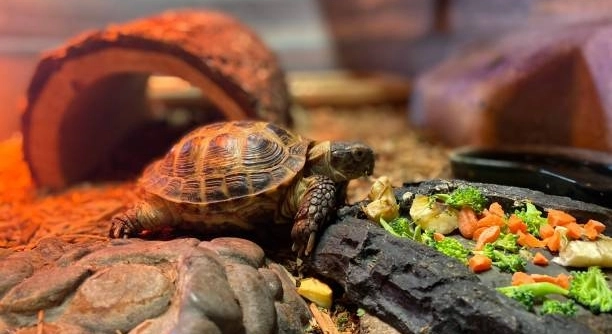
Many box turtle owners wonder why their pets refuse to hibernate. This behavior can be puzzling and concerning, as hibernation is a natural part of a box turtle’s life cycle. Knowing how to address this issue can help your pet stay healthy.
If a box turtle refuses to hibernate, it may be due to environmental factors such as temperature, lighting, or diet. Ensuring proper conditions, including a cool, dark space and a balanced diet, may encourage hibernation.
Learning how to create the right environment for your turtle can encourage natural behaviors and ensure its well-being. Let’s explore some key steps to help your turtle hibernate effectively.
Understanding Box Turtle Hibernation
Box turtles are naturally inclined to hibernate, especially when the weather gets cooler. This behavior is part of their survival instinct, allowing them to rest and conserve energy during the colder months. However, not all turtles follow this pattern. When a box turtle refuses to hibernate, it can be a sign that something in its environment isn’t quite right. Several factors can influence whether a turtle will settle into hibernation, including its age, health, diet, and the habitat setup. Identifying the root cause is essential to ensure that your turtle stays healthy and comfortable.
It’s important to remember that box turtles may not hibernate if they are too warm, stressed, or underfed. Sometimes, the change in seasons or daily routines can also affect their ability to hibernate naturally.
To encourage hibernation, focus on creating an ideal environment for your turtle. This includes regulating temperature, lighting, and providing a comfortable, secure space for them to retreat into. Without these factors, your turtle may resist resting for the season.
Temperature and Lighting Conditions
One of the key factors in hibernation is temperature. If the area your turtle resides in is too warm, it may not feel the need to enter hibernation. Box turtles need a cool environment to trigger the natural hibernation process. An ideal temperature range for hibernation is between 40°F and 50°F (4°C to 10°C). If the environment is too warm, the turtle may remain active instead of resting.
In addition to temperature, the lighting conditions in your turtle’s enclosure can also impact its ability to hibernate. Turtles depend on light cycles to regulate their internal clock, so providing natural light during the day and darkness at night is important. If the lighting is inconsistent, it may disrupt their hibernation behavior.
Setting up an enclosure with the right balance of warmth, coolness, and natural light will help trigger the signals that your box turtle needs to enter hibernation. Adjusting these factors can make a noticeable difference in your turtle’s hibernation patterns.
Diet and Health Considerations
The health of your turtle is crucial when it comes to hibernation. If your turtle is not eating enough or is not in good health, it may not have the energy reserves needed to survive hibernation. A well-balanced diet helps keep your turtle strong and prepared for the cold months ahead. It’s important to provide fresh greens, fruits, and insects, and avoid feeding them too much fatty or sugary food.
Additionally, if your turtle is sick, it may not enter hibernation at all. A weak immune system or dehydration can prevent hibernation from occurring. Before attempting to encourage hibernation, it’s always best to consult with a veterinarian to rule out any underlying health issues.
A healthy turtle is more likely to go into hibernation naturally when its environment and diet are aligned with its needs. Regular check-ups can help ensure your turtle is in top condition and prepared for the colder season.
Creating the Right Hibernation Space
Providing a proper space for hibernation is essential. Your turtle needs a quiet, dark, and cool area to feel secure enough to enter hibernation. The space should be free from disturbances like noise and bright lights. If your turtle is kept indoors, placing it in a quiet room with little foot traffic is ideal. The area should have a temperature range of about 40°F to 50°F. A reptile refrigerator or a hibernation box works well for this purpose.
The hibernation box should be lined with bedding like moss, dry leaves, or hay to give your turtle a natural, comfortable surface to rest on. Ensure the space is secure, with no chance for drafts or temperature fluctuations. Keeping the space humid enough for your turtle to remain hydrated is also important.
Lastly, never force a box turtle to hibernate if it’s not ready. Creating a calm, suitable environment can encourage the turtle to rest, but it may take time for it to adjust. Be patient and watch for signs that it’s ready to hibernate.
Checking on Your Turtle During Hibernation
While hibernation is a time of rest, it’s still important to monitor your turtle occasionally. Even though it may not seem active, your turtle will need periodic checks to ensure it’s healthy and comfortable. If the temperature or humidity changes too drastically, it could disrupt your turtle’s hibernation or cause health problems.
In addition to checking the environment, make sure that your turtle’s weight remains stable. If your turtle loses too much weight or seems lethargic after waking, a visit to the vet is a good idea. You don’t need to disturb your turtle frequently, but it’s wise to check in once a month.
If your box turtle is not hibernating as expected, adjusting its surroundings and seeking veterinary advice will help ensure its overall health. Proper care and a bit of patience will allow your turtle to go through the hibernation process safely.
Environmental Stressors
Box turtles are sensitive to their environment. If they feel stressed, they may refuse to hibernate. Stress can come from overcrowding, frequent handling, or changes in their living space. It’s crucial to keep their habitat stable and quiet to help them settle down.
Turtles thrive in a calm, secure environment. Avoid sudden changes in their surroundings, such as moving them to new enclosures or introducing new animals. A stressed turtle might resist hibernation because it’s not feeling safe enough to rest. Consistent, gentle care will encourage your turtle to go into hibernation naturally.
Ensure your turtle’s enclosure provides plenty of hiding spots, clean water, and suitable temperatures. If possible, minimize handling during the colder months. This reduces stress and allows your turtle to feel comfortable enough to hibernate. Creating a stable, quiet space can help your box turtle follow its natural rhythms.
Health and Vet Check
Sometimes, health issues may prevent hibernation. Illness or underlying health problems can leave your turtle too weak or unprepared for hibernation. If your turtle shows signs of weakness, lethargy, or changes in eating habits, it’s a good idea to consult a vet.
A vet checkup can help identify any health concerns that might be affecting your turtle. The vet can also provide advice on whether the turtle is healthy enough to hibernate or if further treatment is necessary. It’s better to address health concerns early to prevent complications later.
If your box turtle is not hibernating, health issues might be to blame. A simple vet visit can rule out diseases like respiratory infections or parasites. Even a small issue can prevent the turtle from entering hibernation, so regular health checks are essential for a successful hibernation period.
Age and Maturity
Younger box turtles may not hibernate. Hatchlings and juveniles are still growing, and their bodies may not be ready for the stress of hibernation. They might continue to be active during the colder months instead of settling down to rest.
If you have a young turtle, it’s normal for them to avoid hibernation. Once they reach maturity, typically around 5 to 7 years old, their bodies will be better equipped for hibernation. At that point, they will likely follow their natural instinct to rest when the temperature drops. Keep an eye on your turtle’s age to determine if hibernation is appropriate.
Overfeeding and Fat Stores
If your box turtle is overfed, it may resist hibernation. Turtles use stored fat for energy during hibernation, and overfeeding can prevent them from building up the necessary fat reserves. This can disrupt the hibernation process.
Be sure to feed your turtle the right amount. Overfeeding can cause health problems and prevent them from preparing properly for hibernation. A well-balanced diet, offering variety but not excess, helps ensure that your turtle stays healthy and has enough energy stored for hibernation. Proper diet management is key.
Temperature Fluctuations
A stable temperature is essential for hibernation. If the temperature fluctuates too much, your turtle might not feel comfortable enough to settle into hibernation. Consistency is crucial for triggering the rest cycle.
Set up a proper hibernation space where the temperature remains steady. A room with a consistent cool temperature of around 45°F to 50°F will encourage your turtle to hibernate. Avoid placing them in areas where they experience drafts or sudden temperature changes, as this can disrupt their natural cycle.
FAQ
Why isn’t my box turtle hibernating?
Your box turtle might not be hibernating due to several factors. Common reasons include incorrect temperature, lighting, stress, or an unhealthy diet. The environment may not be cool enough, or the turtle may be too warm, causing it to remain active. If the turtle is young, it may not yet be ready for hibernation. Health issues, such as parasites or infections, can also prevent a turtle from entering hibernation. Check the turtle’s health and ensure its habitat is properly adjusted to encourage the natural hibernation cycle.
How can I encourage my turtle to hibernate?
To encourage your turtle to hibernate, ensure its environment is cool, quiet, and dark. The temperature should range between 40°F and 50°F. Place your turtle in a secure, dark area with minimal light and disturbances. A hibernation box lined with natural bedding, like moss or hay, will help create a secure space. Reduce handling to lower stress levels. Offering a balanced diet before hibernation can also help, but avoid overfeeding, as excessive fat can prevent them from hibernating. A consistent, calm environment is key.
Can my turtle hibernate indoors?
Yes, box turtles can hibernate indoors. It’s important to set up an appropriate environment for hibernation, such as using a reptile refrigerator or a cool, dark room. A consistent temperature between 40°F and 50°F is necessary. Ensure the space has proper humidity, as a dry environment can cause dehydration. A hibernation box with natural bedding materials provides the right space for your turtle to rest. Just make sure the area remains undisturbed, as external noise or light can disrupt the process.
How long should my box turtle hibernate?
The length of hibernation can vary, but it typically lasts between 2 to 3 months. However, it can range anywhere from 1 to 6 months, depending on the turtle’s age, health, and environmental conditions. The duration may also depend on the region and how cold the weather gets. It’s essential not to disturb your turtle during hibernation. If you’re concerned about the length of hibernation, check the turtle’s weight and condition, as extended hibernation can be risky if the turtle is too thin or unhealthy.
Should I feed my turtle during hibernation?
No, you should not feed your turtle during hibernation. Feeding your turtle can disrupt the hibernation process and cause digestive issues. Box turtles naturally stop eating when they begin to hibernate, as their metabolic rate slows down. If your turtle hasn’t eaten enough before hibernation, it may not have the energy reserves needed for a successful hibernation period. It’s important to make sure your turtle is well-fed and healthy before entering hibernation.
How can I tell if my turtle is healthy enough to hibernate?
Before hibernation, ensure that your turtle is healthy enough by checking its weight and overall condition. A healthy turtle should not appear too thin, and its shell should be in good shape, without any signs of injury or illness. If your turtle has a poor appetite, watery eyes, or abnormal behavior, it’s best to consult a vet. Make sure your turtle has had a complete checkup, including parasite screening, before entering hibernation. Healthy turtles are better equipped to survive hibernation.
What should I do if my turtle wakes up during hibernation?
If your turtle wakes up during hibernation, it may be due to temperature fluctuations, disturbances, or stress. Make sure the environment remains stable, with no sudden changes in temperature or humidity. Gently place your turtle back into its hibernation box or space, ensuring the conditions are right. If your turtle repeatedly wakes up or appears restless, consider consulting a vet to rule out health issues. Avoid handling the turtle too much, as this can cause additional stress and interfere with the hibernation process.
Can I force my turtle to hibernate?
It’s not recommended to force a box turtle to hibernate. Hibernation is a natural process, and forcing it may cause stress or harm to the turtle. Instead, focus on creating an ideal environment with the correct temperature, lighting, and humidity. If your turtle refuses to hibernate despite these adjustments, there may be an underlying issue, such as stress, health problems, or a need for more time to reach maturity. Be patient and allow the turtle to enter hibernation on its own.
What are the signs that my turtle is ready to hibernate?
Signs that your box turtle is ready to hibernate include decreased activity, loss of appetite, and seeking out dark, quiet places. The turtle may start to dig or burrow in preparation for hibernation. It’s important to monitor these behaviors, as they indicate that the turtle’s body is preparing for a long rest. Ensure that the environment is set up correctly and that the turtle has access to proper food and hydration before hibernation begins. If these signs are not present, the turtle may not be ready to hibernate yet.
Can hibernation harm my turtle?
Hibernation can be harmful to your box turtle if it is not properly prepared or if the conditions are not right. If a turtle enters hibernation when it’s not healthy or hasn’t built up enough fat reserves, it can become too weak to survive. Health issues such as dehydration, malnutrition, or infection can also worsen during hibernation. Regular vet checkups and monitoring of the turtle’s condition before and during hibernation are essential for ensuring its safety. If the turtle is healthy and the environment is stable, hibernation is generally safe and beneficial for their natural cycle.
Final thoughts on box turtle hibernation involve recognizing that it’s a natural and important process for your turtle’s health. Hibernation allows your turtle to conserve energy during the colder months and rest. However, not all box turtles will hibernate every year, and that’s okay. Some turtles might not hibernate due to age, health, or environmental factors. If your turtle refuses to hibernate, understanding the reasons behind it can help you make adjustments to its care routine. It’s important to provide the right conditions, such as proper temperature, lighting, and a secure, quiet space to encourage natural behavior.
Taking care of a box turtle requires patience and observation. If your turtle shows signs of stress or health issues, it’s crucial to address them. A stress-free environment is key to supporting hibernation, so reducing disturbances and providing a calm habitat will help the turtle feel secure enough to enter its resting phase. Additionally, a balanced diet and appropriate health care will ensure your turtle is healthy enough for hibernation. Make sure your turtle is in good condition before the hibernation period starts to avoid complications during the rest cycle. Regular vet checkups can help catch any underlying issues before they become bigger problems.
Finally, remember that not all turtles are the same, and hibernation can vary from one individual to another. Some turtles may need more time to settle into hibernation, while others may skip it entirely. If you’ve done your best to create the right environment and provide the proper care, then you’ve done your part. Sometimes, patience is the best approach. Keep monitoring your turtle’s health, environment, and behavior, and make adjustments when necessary. With the right care, your turtle will be in a better position to enter hibernation naturally when the time comes.

Hello,
If you enjoy the content that we create, please consider saying a "Thank You!" by leaving a tip.
Every little bit helps us continue crafting quality advice that supports the health, happiness, and well-being of pets around the world, for pets of all shapes, sizes, and species.
We really appreciate the kindness and support that you show us!