
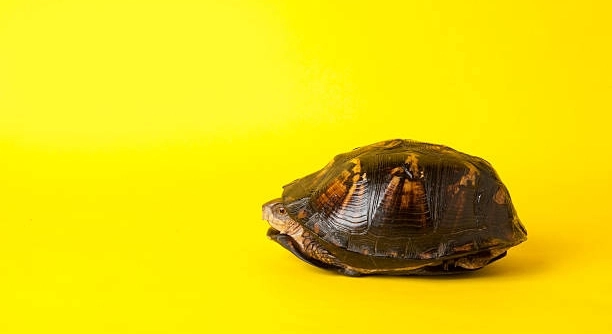
Do you ever find yourself fascinated by the unique stories animals carry through time? Box turtles have surprisingly made their mark in history and culture, capturing attention for their intriguing roles and characteristics.
Box turtles, often admired for their slow and steady nature, have appeared in various cultural tales and historical records. From serving as symbols of wisdom in folklore to playing parts in scientific discoveries, these reptiles hold fascinating stories.
Learn about these seven box turtles, their historical significance, and how they continue to inspire curiosity in cultures worldwide.
The Symbolic Role of Box Turtles in Native American Folklore
Box turtles have held a significant place in Native American stories, symbolizing endurance and wisdom. Tribes like the Cherokee and Lenape often associated these turtles with the earth’s stability. They believed the box turtle carried the weight of the world, reflecting its steady and resilient nature. This symbolism extended to ceremonies and rituals, where turtle shells were used as rattles to invoke spiritual guidance. For Native Americans, the box turtle’s presence was a reminder of patience and perseverance, teaching valuable life lessons. These cultural connections still resonate today, illustrating the enduring impact of ancient beliefs.
Box turtles remain a symbol of strength in some modern Native American communities. Their association with the earth and survival has helped preserve cultural teachings and traditions over generations.
By exploring these stories, we gain insight into how the natural world influences cultural beliefs and traditions, offering valuable perspectives on life’s challenges.
The Famous Box Turtle: Timothy of Charles Darwin
Timothy, Charles Darwin’s beloved box turtle, lived an extraordinary life. Rescued from a ship, Timothy spent years in Darwin’s family garden, becoming a symbol of curiosity and resilience.
Darwin’s observations of Timothy highlighted the turtle’s unique behaviors and reinforced his belief in studying nature’s subtleties. This connection with a seemingly ordinary animal helped Darwin further his scientific inquiries and shaped his appreciation for all living things. Timothy became a cherished part of Darwin’s household, illustrating how even the smallest creatures can influence great minds.
Box Turtle’s Role in Ancient Chinese Mythology
In ancient Chinese mythology, box turtles were seen as symbols of longevity and stability. Their association with the natural balance of life made them central figures in various legends and teachings.
The Chinese believed that turtles carried the secrets of the universe within their shells, often linking them to cosmic balance. Box turtles, with their slow movements and long lifespans, embodied the Daoist principle of living in harmony with nature. They appeared in sacred texts and were even depicted in ancient art, reinforcing their spiritual significance. These turtles were thought to offer wisdom to those who observed their behaviors closely.
Box turtles also played a role in divination practices. Cracks formed on heated turtle shells were interpreted to predict the future. This ancient practice highlights the deep connection between these animals and traditional Chinese spirituality.
The Legendary Turtle of Japanese Folklore
In Japanese folklore, the box turtle symbolized protection and good fortune, often appearing in tales of loyalty. It was believed that carrying a turtle amulet could ward off bad luck and attract positive energy.
One famous legend features a box turtle guiding a lost fisherman back to safety. The turtle’s calm and unwavering nature reassured the man, earning the creature a place in the fisherman’s family stories. Such tales emphasized the turtle’s role as a protector and a symbol of perseverance.
Even today, turtles in Japan are admired for their connection to longevity and harmony, reflecting ancient beliefs in modern practices.
Box Turtles in Ancient Greek Symbolism
In Ancient Greece, box turtles were linked to the goddess Aphrodite, symbolizing love and fertility. Their connection to the divine made them revered creatures in various myths and rituals.
Greek artists often depicted box turtles in pottery and sculptures, emphasizing their role as sacred and enduring symbols of harmony.
The Tale of the Wise Box Turtle in Aesop’s Fables
Aesop’s fables often featured box turtles as symbols of patience and cleverness. In one famous tale, a box turtle outsmarts a hare, proving that determination can overcome speed. These stories continue to teach timeless values of perseverance and wisdom.
The Enduring Popularity of Box Turtles Today
Box turtles remain beloved in modern culture, representing patience and resilience in both art and storytelling.
FAQ
What makes box turtles unique compared to other turtles?
Box turtles are unique due to their hinged plastron, allowing them to fully enclose themselves within their shells for protection. Unlike aquatic turtles, they are primarily land-dwellers, favoring wooded or grassy areas over ponds and lakes. Their distinct domed shells and vibrant patterns set them apart visually, while their ability to live for decades adds to their uniqueness.
How long do box turtles typically live?
Box turtles have impressive lifespans, often living 30 to 50 years in the wild. Some even reach ages of 70 or more, depending on their care and environment. Proper diet, shelter, and minimal stress contribute significantly to their longevity, making them among the longest-living reptiles.
What do box turtles eat?
Box turtles are omnivorous, eating a diet of fruits, vegetables, insects, and small invertebrates. In the wild, they may forage for berries, mushrooms, and worms. Captive box turtles thrive on a mix of leafy greens, diced vegetables, and protein sources like mealworms or boiled eggs, ensuring a balanced diet.
Do box turtles hibernate?
Yes, box turtles hibernate in colder months to conserve energy. They burrow into soil, leaf litter, or logs to stay insulated from freezing temperatures. This period of dormancy can last from a few weeks to several months, depending on the climate.
Can box turtles be kept as pets?
Box turtles can be kept as pets, but they require specific care. Their habitat should mimic their natural environment, including proper humidity, temperature, and a variety of foods. They are low-maintenance in some ways but need long-term commitment, as they can live for decades in captivity.
Are box turtles endangered?
Some species of box turtles are listed as vulnerable or endangered due to habitat destruction, road mortality, and collection for the pet trade. Conservation efforts focus on protecting their habitats, creating wildlife corridors, and educating people on responsible pet ownership.
Do box turtles recognize their owners?
Box turtles may not recognize owners like dogs or cats do, but they can become accustomed to handling and feeding routines. Over time, they may show subtle behaviors indicating trust, such as approaching when food is offered or remaining calm during interactions.
What environments do box turtles prefer?
Box turtles thrive in habitats with moist soil, dense vegetation, and ample shade. They prefer forests, meadows, and areas near water sources. Providing these conditions, whether in the wild or captivity, helps ensure their health and well-being.
How do box turtles defend themselves?
Box turtles rely on their hinged shells to protect themselves from predators. When threatened, they retreat inside their shells, leaving little exposed. Their shell patterns and colors also serve as camouflage, helping them blend into their surroundings and avoid detection.
Are box turtles social animals?
Box turtles are generally solitary creatures. They do not form social groups and primarily interact with others during mating season. Outside of reproduction, they prefer to live and forage alone, which reduces competition for resources.
Final Thoughts
Box turtles have carved a unique place in history and culture, symbolizing everything from wisdom and perseverance to longevity and protection. Across various cultures, their significance has been celebrated in myths, legends, and even scientific discoveries. These remarkable creatures remind us of the close relationship between humans and nature, where animals often carry deeper meanings beyond their physical traits. By learning about their roles in different societies, we gain a richer understanding of how box turtles have inspired and influenced people over time.
Caring for box turtles today requires a balance of understanding their natural behaviors and respecting their needs. Whether in the wild or as pets, they deserve a habitat that allows them to thrive. Protecting their environments and raising awareness about their endangered status is crucial. These efforts ensure that future generations can appreciate their beauty and learn from their resilience, just as past societies have done.
Box turtles continue to fascinate and teach us valuable lessons, even in modern times. Their enduring presence in stories and their role as symbols of patience and strength serve as reminders to slow down and appreciate the simple yet profound aspects of life. By preserving their legacy, we honor the timeless connection between people and the natural world.

Hello,
If you enjoy the content that we create, please consider saying a "Thank You!" by leaving a tip.
Every little bit helps us continue crafting quality advice that supports the health, happiness, and well-being of pets around the world, for pets of all shapes, sizes, and species.
We really appreciate the kindness and support that you show us!