
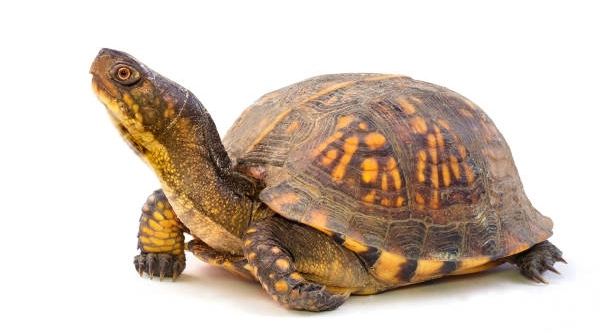
Seasonal changes can have a significant impact on the health of box turtles. These reptiles are sensitive to temperature shifts, making it essential to adjust their care routines as the seasons change.
Seasonal adjustments are necessary to maintain box turtle health because temperature fluctuations, humidity, and sunlight affect their activity levels, metabolism, and overall well-being. Without proper seasonal care, box turtles may experience stress or health issues.
Understanding these seasonal adjustments is key to keeping your box turtle happy and healthy throughout the year. Let’s explore how changes in season impact their care and what steps you can take.
Why Temperature Plays a Vital Role in Box Turtle Health
Temperature has a direct influence on the behavior and metabolism of box turtles. These reptiles are cold-blooded, meaning they rely on their environment to regulate body temperature. When it’s too hot or too cold, their metabolism slows down, making it harder for them to digest food or even move around. This can lead to lethargy, poor appetite, and health complications.
During warmer months, box turtles are typically more active, feeding and exploring their habitat. However, as temperatures drop, they enter a period of dormancy or brumation, similar to hibernation. Without proper adjustments, such as providing a warmer space during colder seasons, turtles may become stressed or sick.
Understanding how temperature affects your turtle will help you provide the best care. Adjusting their environment according to the seasons ensures they stay active and healthy. Consider using heat lamps or special enclosures to maintain the right temperature year-round.
Humidity and Its Importance
Humidity also plays a crucial role in the health of box turtles. In dry conditions, they are at risk for dehydration, which can lead to serious health issues.
During warmer months, box turtles often need higher humidity to stay hydrated, especially if they spend more time outside. This can be achieved by providing a moist substrate or placing a shallow water dish in their enclosure. Keeping the humidity balanced ensures their skin stays healthy and their digestive system functions properly. During colder months, reduce humidity to avoid excessive moisture that can lead to mold or respiratory problems.
Light and Sun Exposure for Box Turtles
Box turtles rely on natural light to regulate their circadian rhythm and promote healthy bone development. Exposure to sunlight provides them with vitamin D3, which is essential for calcium absorption. Without adequate sunlight or UVB light, turtles may develop shell deformities or metabolic bone disease.
In warmer months, it’s beneficial to let box turtles enjoy outdoor time in safe, enclosed spaces. This allows them to soak up natural sunlight and move freely. However, during colder seasons, UVB lights should be used to ensure they continue to receive proper exposure. Be mindful to avoid placing the light too close or too far, as it may affect their health.
UVB lights also simulate natural sunlight indoors, helping your turtle stay healthy when they can’t go outside. Regular light adjustments based on the season ensure your box turtle’s physical and emotional well-being remains optimal throughout the year.
Seasonal Diet Adjustments
Box turtles’ dietary needs change with the seasons. In spring and summer, when they are most active, they require a higher intake of food to sustain their energy. A balanced diet of fresh vegetables, fruits, and protein-rich insects is ideal during these months.
As temperatures drop, their metabolism slows down, and they typically eat less. During this time, it’s important to adjust their feeding routine to prevent overfeeding. Reducing the amount of food and focusing on easy-to-digest options can prevent them from becoming overweight. In the winter, feeding should be minimal unless the turtle is still active and eating.
Monitor their eating habits closely to avoid underfeeding or overfeeding. Offering smaller portions less frequently during colder months is an effective way to support their natural seasonal rhythms. This helps maintain their energy levels and keeps them healthy.
Winter Brumation and Box Turtles
In colder months, many box turtles enter a state of brumation, a form of dormancy. During this time, their metabolism slows significantly, and they may not eat or move much. This is a natural process, but it requires some preparation.
Before brumation, ensure your turtle has a proper diet and is in good health. Reduce the temperature in their enclosure gradually to encourage brumation. However, don’t let the environment become too cold. It’s important to maintain a stable, cool temperature to prevent stress and illness during this time.
Creating a Safe Outdoor Habitat
When the weather is warm enough, outdoor enclosures can provide box turtles with a natural habitat to explore. It’s essential to ensure the space is secure, with proper fencing to keep the turtles from escaping or being harmed.
Provide a shaded area to prevent overheating, as box turtles can overheat quickly under direct sunlight. A mix of grassy patches, soil, and a shallow water dish is ideal for their daily activities. Keep an eye on the weather, ensuring that temperature fluctuations don’t leave them exposed to sudden cold snaps.
FAQ
How do I know if my box turtle is brumating or sick?
Brumation and sickness can look similar, but there are key differences. A brumating turtle will become less active, stop eating, and hide more, but they’ll still be responsive if touched. They’ll also have a slower heart rate and may dig into the substrate. In contrast, a sick turtle might appear lethargic but will often have noticeable signs of illness, like discharge from the nose, swollen eyes, or difficulty breathing. If you’re unsure, it’s always best to consult a vet to rule out illness.
Can box turtles get too cold during brumation?
Yes, box turtles can become too cold during brumation, which can lead to serious health issues. The temperature should be kept stable and should not drop below 40°F (4°C). If they get too cold, their metabolism can slow to a dangerous point, potentially leading to organ failure. Make sure to keep them in an area where the temperature is cool but safe for them to rest.
Do box turtles need a heat lamp during the winter?
It depends. If your turtle is brumating, they don’t need a heat lamp, as their metabolism slows down and they are inactive. However, if they are still active or you live in a region with inconsistent temperatures, providing a low heat source can help maintain a stable environment. Be sure not to overheat the enclosure, as they need cooler temperatures during winter.
How long can a box turtle go without food during brumation?
Box turtles can go without food for several months during brumation. Their metabolism slows significantly, and their body goes into a resting state where they don’t require as much energy. It’s essential to prepare them by ensuring they are well-fed before entering brumation. However, if they are not eating or drinking for an extended period outside of brumation, it may indicate a health issue that requires attention.
Is it necessary to supplement my box turtle’s diet with vitamins?
Yes, box turtles need certain vitamins and minerals to stay healthy. Calcium, in particular, is important for shell development and to prevent metabolic bone disease. A lack of vitamin D3 can cause calcium absorption issues. Offering a varied diet, including calcium-rich foods, along with a calcium supplement (like cuttlebone), can ensure they’re getting the nutrients they need. You may also consider providing a reptile multivitamin in moderation, but be careful not to over-supplement.
How much space does a box turtle need in its enclosure?
The general rule is that a box turtle should have at least 10 square feet of space, though larger enclosures are always better. Box turtles are active and curious, so they need room to explore and exercise. If you’re keeping them outdoors, ensure the area is secure, as they can be escape artists. The more space you provide, the healthier and happier your turtle will be.
Can I keep multiple box turtles together?
Box turtles are solitary by nature, and keeping multiple turtles in the same enclosure can cause stress and territorial behavior. Male turtles, in particular, are more likely to fight. If you do choose to house multiple box turtles together, make sure the enclosure is large enough to give each turtle its own space. Providing hiding spots and separate areas for each turtle is key to minimizing aggression.
What’s the best substrate for a box turtle?
A good substrate should be natural, easy to clean, and able to retain moisture. Cypress mulch, coconut coir, and organic soil are good options. These substrates help maintain humidity and give your box turtle a comfortable surface to burrow into. Avoid using sand or gravel, as they can cause digestive problems if ingested.
How do I ensure my box turtle stays hydrated?
Box turtles need access to fresh, clean water at all times. In addition to a water dish, you can mist the substrate to increase humidity and encourage your turtle to drink. Some turtles also enjoy soaking in shallow water, which can help them stay hydrated. Always monitor the water quality and replace it regularly.
What should I do if my box turtle isn’t eating?
If your box turtle isn’t eating, first check the temperature and humidity levels in its enclosure. A turtle that is too hot or too cold may lose its appetite. Stress from environmental changes, improper diet, or a lack of stimulation can also affect their eating habits. If your turtle hasn’t eaten for several days and shows signs of weight loss or other health problems, it may be time to consult a vet for further examination.
Final Thoughts
Taking care of a box turtle requires paying attention to various factors, especially seasonal changes. These reptiles are sensitive to temperature, humidity, and light. Their health can be greatly affected by environmental conditions, so adjusting their care routine as the seasons change is crucial. Whether it’s providing extra warmth during colder months, adjusting their diet, or offering appropriate lighting, each step contributes to your turtle’s well-being. A few simple changes can make a big difference in their overall health and happiness.
It’s also important to understand that box turtles are unique in their needs. What works for one turtle might not be suitable for another, as each has its own preferences and habits. Observing your turtle’s behavior and health will give you the best insight into what adjustments need to be made. Keeping track of changes in activity, eating habits, or even their shell condition will help you notice any issues early on. Regular vet check-ups are a good way to make sure your turtle is in good health, especially if you’re unsure about seasonal changes.
Remember that maintaining a healthy habitat for a box turtle isn’t just about keeping them alive; it’s about helping them thrive. By understanding their natural cycles and making the right adjustments for each season, you can ensure that your box turtle enjoys a long, healthy life. Seasonal changes might seem like a lot of work, but with some attention and care, your turtle will adapt and flourish. You’ll not only be supporting their basic needs but also fostering a relationship of trust and care with these fascinating creatures.

Hello,
If you enjoy the content that we create, please consider saying a "Thank You!" by leaving a tip.
Every little bit helps us continue crafting quality advice that supports the health, happiness, and well-being of pets around the world, for pets of all shapes, sizes, and species.
We really appreciate the kindness and support that you show us!