
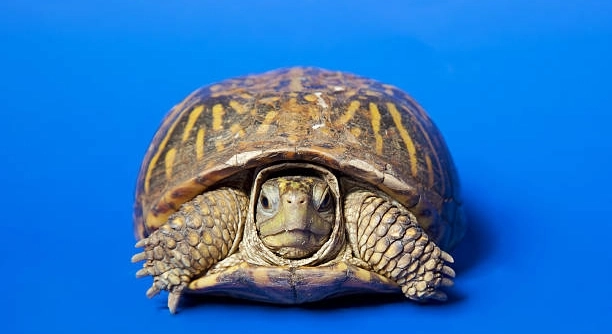
Box turtles are delightful creatures that need special care during cold weather. Ensuring their well-being in chilly conditions is vital to their health. This article will guide you through the steps to protect your box turtle from cold temperatures.
To protect your box turtle from cold weather, it is crucial to provide them with a warm and secure environment. This includes using heating sources, maintaining appropriate humidity levels, and ensuring they have a well-insulated shelter to stay safe and comfortable.
With these methods, your box turtle can thrive, even in colder temperatures.
Creating a Proper Shelter
A safe and warm shelter is essential for your box turtle in cold weather. You’ll need to provide a sheltered space where your turtle can hide and stay insulated. Consider using an outdoor turtle house made from wood or plastic with a sturdy roof. Make sure the shelter is large enough for your turtle to move around comfortably but small enough to retain heat. You can line the inside with straw or hay to add insulation. If your turtle is indoors, a large tank with proper heating will work. Keep the shelter dry to avoid excess moisture.
You should also monitor the shelter for drafts. Box turtles are sensitive to cold drafts, and even small amounts of cold air can cause stress. Make sure the shelter is placed in an area with minimal wind exposure. This simple yet effective measure will keep your turtle warm and comfortable.
Consider adding a heat source to the shelter, such as a heat lamp or a heat mat under the floor. Make sure the temperature is warm but not too hot, as this can cause discomfort. Providing a heating element gives your turtle the option to move to a warmer area if needed. Be cautious with electrical heating devices, ensuring they are safe and won’t malfunction. Regularly check the temperature using a thermometer to avoid overheating or cooling down too much. A reliable heat source helps maintain a stable environment, allowing your box turtle to stay healthy during colder months.
Regulating Temperature and Humidity
Maintaining the right temperature and humidity is key to your turtle’s comfort. Too much humidity can make the environment damp, while too little can cause dehydration. The perfect humidity level for box turtles is around 50-60%. A humidity gauge will help you monitor it accurately.
To regulate temperature, you’ll need a heating lamp or pad. Keep the basking spot between 80-85°F. If using a heat mat, make sure it doesn’t overheat the area.
Using Substrate to Insulate the Ground
Providing the right substrate in your turtle’s enclosure helps to insulate the ground and retain heat. Use materials like coconut coir, shredded paper, or reptile bark. These substrates hold moisture, which can prevent the ground from becoming too cold. A well-insulated substrate will create a cozy, warm environment for your box turtle to burrow into.
When layering the substrate, aim for a depth of about 2-3 inches. This gives the turtle the option to dig down into the warmth if it needs to. Make sure the substrate is kept dry and regularly changed to prevent mold growth. By providing an appropriate substrate, you’ll help keep the temperature of the ground consistent.
If you’re using the substrate in an outdoor environment, it can be helpful to add a layer of leaves or straw on top. This extra layer provides additional warmth and protection from the cold. It’s a simple, effective way to ensure your box turtle stays comfortable during the colder months.
Adding a Heat Source
Adding a heat source is a key step to ensure your box turtle stays warm. A reliable heat lamp will offer your turtle the option to bask in the warmth, which is vital for its health. Aim for a basking area temperature between 80-85°F.
It’s important to keep a close eye on the temperature to avoid overheating. Too much heat can cause your turtle stress and dehydration. Place a thermometer near the basking area to monitor the temperature. If you’re using a heat lamp, ensure it’s placed at a safe distance from the turtle to avoid burns.
For outdoor setups, consider using a heat mat or ceramic heater. These devices provide consistent heat and can be placed under or beside the turtle’s shelter. Make sure to follow the manufacturer’s guidelines for proper use. This will help keep your turtle cozy without posing any risks.
Providing Access to a Safe, Warm Area
Creating a warm area in your turtle’s habitat is essential for its health. If it’s an outdoor enclosure, ensure it’s covered or has a shelter that traps warmth. This helps your turtle find a warm spot when the temperature drops. The shelter should be positioned away from direct wind.
For an indoor setup, consider placing the turtle’s tank near a warm area in your home. Avoid placing it near windows or doors, where temperature fluctuations occur. This stable environment will help prevent cold stress. Keeping the area warm ensures your turtle remains healthy and comfortable during the colder months.
Monitor Weather Conditions Regularly
Monitoring the weather is essential to ensure your turtle stays safe. Pay attention to sudden drops in temperature, especially in outdoor environments. If you live in a region with harsh winters, bringing your turtle indoors might be necessary. Keep an eye on forecasted temperatures to anticipate any risks.
In colder regions, consider moving your turtle indoors or to a heated shed when temperatures plummet. This will prevent exposure to dangerously low temperatures and the risks that come with them. Regular monitoring allows you to take action before the cold becomes too much for your turtle to handle.
Avoid Overfeeding During Winter
Overfeeding your box turtle in cold weather can cause digestive problems. Their metabolism slows down in the winter, so they need less food. Stick to feeding them every few days, and avoid offering large meals. This will help prevent discomfort or health issues caused by overconsumption.
Turtles tend to hibernate or become less active in the winter. Feeding them excessively could lead to undigested food, which may cause gastrointestinal stress. By keeping their diet light, you’ll help them manage their energy more effectively.
FAQ
What temperature is too cold for a box turtle?
Box turtles can tolerate temperatures between 70°F and 85°F. Anything below 50°F for extended periods can be dangerous. If temperatures fall below 40°F, it can cause hypothermia and even death. It’s crucial to monitor both daytime and nighttime temperatures, especially during the colder months. If you live in a region with freezing temperatures, bringing your box turtle indoors or providing a heated shelter is essential. Keeping the temperature in the 70-80°F range during colder months helps maintain your turtle’s health.
How can I tell if my box turtle is too cold?
A cold box turtle will become sluggish and inactive. It may also withdraw into its shell more than usual, seeking warmth. If the turtle is moving slowly or not responding to its environment, it’s a sign that it might be too cold. In extreme cases, it could stop eating altogether. To prevent this, always provide a safe, warm environment. Regularly check its shelter and basking spots to ensure they are at the correct temperatures.
Can I use a heat lamp for my box turtle in cold weather?
Yes, a heat lamp is a good way to provide warmth for your box turtle. Make sure the lamp provides heat in the 80-85°F range for basking. The lamp should be placed above the basking area, but not too close to avoid burns. You should also have a thermometer to monitor the temperature and ensure it stays within a safe range. Heat lamps are especially useful for indoor setups during colder months when natural warmth is insufficient.
Do box turtles hibernate in winter?
Yes, many box turtles enter a form of hibernation known as brumation during winter. This is a period of reduced activity where they eat less and become dormant. Not all box turtles hibernate, but it’s important to provide a warm place for them if they do. If your turtle is indoors, ensure it has the right environment to brumate safely. For outdoor turtles, make sure they have access to a well-insulated shelter where they can safely go into brumation if needed.
What should I do if my box turtle isn’t eating during winter?
Box turtles often reduce their food intake during the colder months. This is a natural response to lower temperatures, especially if they are entering brumation. If your turtle isn’t eating, check the temperature of its environment. Ensure it has access to warmth and that its basking area is at the right temperature. If the turtle is still not eating and seems lethargic, it might need to be checked by a vet to rule out illness.
Can I keep my box turtle outside during the winter?
In most climates, it’s not safe to keep a box turtle outside during the winter, especially in freezing temperatures. If you live in a warmer region with mild winters, your turtle can stay outside as long as it has access to a well-insulated shelter. If the weather becomes too cold, it’s safer to bring your turtle inside. Always monitor the temperature and weather conditions to make sure your turtle is comfortable and safe. In regions with harsh winters, it’s best to bring the turtle indoors or provide a heated outdoor space.
How do I create a warm outdoor shelter for my box turtle?
Creating a warm outdoor shelter for your box turtle involves using materials that provide insulation and protection from cold weather. A wooden or plastic turtle house with a roof and secure walls works well. Line the shelter with straw or hay to keep the interior warm. Make sure the shelter is positioned out of direct wind but gets enough sunlight to stay warm during the day. You can also place a heat lamp or a ceramic heater inside the shelter for added warmth. This will keep your turtle safe during the cold months.
What is the best way to keep my box turtle hydrated in winter?
Even in winter, hydration is important for box turtles. Make sure your turtle has access to fresh water at all times, as it can dehydrate in cold weather. If your turtle is inside, place a shallow dish of water in the enclosure. If it’s outside, make sure the water doesn’t freeze. You can provide a heated water bowl to prevent freezing if needed. Avoid giving your turtle too much water at once, as it may lead to flooding in its shelter.
How can I prevent my box turtle from getting stressed in the cold?
Stress in box turtles often arises from drastic changes in temperature or an uncomfortable environment. To prevent stress, ensure the shelter or enclosure maintains stable temperatures and humidity levels. Keep the turtle’s shelter clean and free of drafts, and make sure it has a safe, dry place to burrow. Additionally, avoid moving the turtle to different locations frequently, as this can cause stress. Keeping the environment predictable and comfortable will help your turtle feel secure during the cold months.
Should I adjust the lighting for my box turtle during winter?
Yes, you should adjust the lighting for your box turtle during winter. A proper light cycle helps regulate their natural rhythms. Keep the light on for 10-12 hours a day to simulate daylight. This encourages the turtle to stay active and healthy. During winter, the days are shorter, so using a timer can help maintain a consistent light cycle. Make sure the light is not too far from the turtle, as it also provides warmth.
Final Thoughts
Protecting your box turtle from cold weather is essential to its well-being. With proper care and precautions, you can ensure that your turtle stays healthy and comfortable during the winter months. By providing a safe, warm environment and monitoring temperature changes, you can prevent many of the common risks associated with cold weather. It’s important to remember that every turtle is unique, and their needs may vary based on the specific environment they live in. Understanding your turtle’s behavior and temperature preferences is key to providing the best care.
Creating an indoor or outdoor setup that offers warmth, shelter, and a stable temperature can make a significant difference. Box turtles are not built to handle extreme cold, so offering them a consistent, safe space to rest and bask in warmth is crucial. In addition, paying attention to their diet and hydration during colder months is equally important. A turtle’s metabolism slows down in the winter, so feeding should be adjusted accordingly. Overfeeding can cause digestive issues, so it’s best to offer smaller meals and allow your turtle to rest during this time.
Taking these steps to protect your box turtle from cold weather will not only keep it safe but also promote its overall health in the long run. Whether your turtle is brumating or simply staying more dormant, the right environment helps it recover and maintain its energy levels. By following these guidelines, you’ll give your turtle the best chance at staying healthy and happy, even when temperatures drop. Keeping an eye on weather forecasts and preparing ahead will ensure your turtle is well cared for throughout the winter season.

Hello,
If you enjoy the content that we create, please consider saying a "Thank You!" by leaving a tip.
Every little bit helps us continue crafting quality advice that supports the health, happiness, and well-being of pets around the world, for pets of all shapes, sizes, and species.
We really appreciate the kindness and support that you show us!