
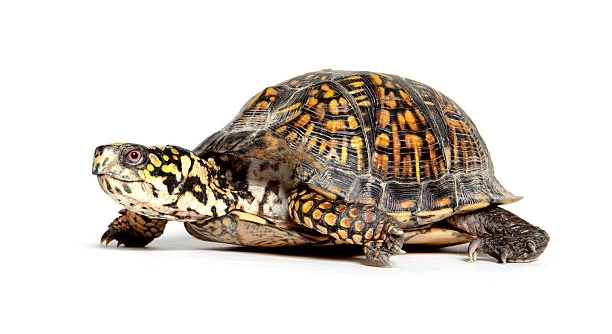
Providing fresh water for box turtles is essential for their health and well-being. These creatures require clean, accessible water daily to stay hydrated and maintain proper bodily functions, especially in their warm environments.
To provide freshwater daily for box turtles, ensure a shallow water dish that is easy for them to access. Refill the dish with fresh water every day to prevent contamination and bacteria buildup. Always clean the dish regularly.
By following these tips, you can keep your box turtle hydrated and healthy. Understanding these simple steps will help you provide proper care for your turtle in a way that supports its overall well-being.
Choosing the Right Water Dish for Your Box Turtle
The water dish you choose for your box turtle should be shallow and large enough for them to soak in comfortably. Box turtles enjoy soaking to help with hydration and temperature regulation. A dish that is too deep could make it difficult for them to get in and out easily. It’s best to use a shallow, sturdy container with non-slip sides. A sturdy dish will prevent spills and ensure your turtle can access the water easily.
Additionally, you should place the dish in a location where it is easily visible for your turtle. This encourages them to drink regularly. Clean the dish frequently to avoid the buildup of algae or bacteria. Regular cleaning is essential to ensure your turtle’s health.
While it may seem simple, the right dish and placement can make a big difference in your turtle’s hydration routine. It’s important to make sure the dish stays clean and filled with fresh water daily for your turtle’s well-being.
Maintaining Freshness of the Water
Water should be changed daily. Box turtles can be sensitive to contaminants, and old water can quickly become unhealthy. To maintain freshness, it’s also a good idea to rinse the dish thoroughly before refilling it. This removes any leftover debris or waste.
Box turtles can become dehydrated if they don’t have access to clean, fresh water. Offering them fresh water every day is a simple step that has a significant impact on their health. It also encourages them to drink more, keeping them hydrated and happy. To prevent stagnation, avoid leaving the water standing for too long.
You may notice that the water in your turtle’s dish can get dirty quickly. This is because turtles can be messy and often drop food or debris into their water. This is why you should check the water several times a day to make sure it’s clean and refreshing. If you spot any waste or debris, change the water immediately. Your turtle will thank you for it.
Placing the Water Dish in the Right Location
The location of your turtle’s water dish is crucial. It should be placed in a spot that’s easy for them to access but also safe from disturbances. Make sure it’s on a stable surface to prevent tipping over.
Box turtles are naturally shy and might avoid drinking if they feel threatened. Keep the water dish away from areas where they might feel cornered. A quiet, calm location in their habitat will encourage regular drinking. Avoid placing the dish near food or areas where they might be startled by movement.
Choosing the right spot helps your turtle feel more comfortable, leading to healthier hydration habits. It’s also important to consider temperature when choosing a location. Too much heat can cause water to evaporate quickly. A cool, shaded area will ensure that the water stays fresh longer.
The Importance of Temperature Control
Water temperature matters when it comes to keeping your turtle hydrated. If the water is too cold, your turtle might not want to drink, while water that’s too hot could be uncomfortable for them.
To maintain the right water temperature, consider the environment of your turtle. In warmer climates, you might want to place the dish in a shaded spot to prevent the water from heating up. In cooler areas, it’s important to avoid placing the dish in drafty locations. A consistent, comfortable temperature encourages drinking.
Box turtles prefer their water to be at room temperature, so it’s essential to adjust the environment around them. If the water gets too cold, you may need to replace it with water at a more comfortable temperature. Consistency in water temperature will help your turtle stay hydrated.
Cleaning the Water Dish Regularly
Regular cleaning of your box turtle’s water dish is essential for preventing bacterial growth and algae buildup. Clean the dish at least once a week or more frequently if it gets dirty quickly. This helps maintain a hygienic environment.
To clean the dish, use warm water and a mild, turtle-safe cleaner. Avoid using harsh chemicals that could harm your turtle. Scrub the dish thoroughly to remove any debris or buildup. Afterward, rinse it well to ensure no cleaning residue remains.
A clean water dish encourages your turtle to drink more often and helps prevent health issues. Keeping the dish fresh and clean should be part of your daily routine.
Adding Fresh Water for Hydration
Fresh water is vital for a box turtle’s hydration and overall health. Always refill the water dish daily to ensure your turtle has access to clean, fresh water. Stale water can quickly become a breeding ground for bacteria.
Replacing the water daily also helps keep the temperature consistent, especially in warmer climates. If you notice that your turtle’s water gets dirty quickly, check for any debris or leftover food. Clean and replace the water immediately. Fresh water will encourage regular drinking, which is essential for their well-being.
The Role of Soaking in Hydration
Soaking is an important part of hydration for box turtles. They benefit from occasional soaking, which helps keep them hydrated, especially in drier environments. This practice allows them to absorb water through their skin.
In addition to drinking, box turtles use soaking to regulate their body temperature and maintain proper hydration levels. Provide your turtle with a shallow dish or a designated soaking area. Ensure that the water is clean and at a comfortable temperature. You can offer your turtle a soak a few times a week, especially if they seem to drink less often.
FAQ
How often should I change my box turtle’s water?
It’s important to change your box turtle’s water daily to ensure it remains clean and fresh. Stale water can become a breeding ground for bacteria, which could harm your turtle. Regularly replacing the water keeps your turtle hydrated and healthy. Always rinse the dish thoroughly before refilling to remove any dirt or debris.
Can I use tap water for my box turtle?
Yes, you can use tap water, but it’s recommended to let it sit for 24 hours before offering it to your turtle. This allows chlorine and other chemicals to dissipate. If you’re concerned about water quality, you can use a water conditioner specifically designed for reptiles. Always ensure the water is at room temperature before offering it to your turtle.
What type of water dish is best for a box turtle?
A shallow, sturdy dish works best for a box turtle. It should be large enough for your turtle to soak in but not so deep that it becomes difficult for them to climb in and out. Avoid dishes with steep sides, as this could lead to accidents or your turtle struggling to access the water. Non-slip materials also help prevent the dish from tipping over.
How much water does my box turtle need daily?
Box turtles don’t drink large amounts of water at once, but it’s important to provide them with fresh water every day. Offer a dish that allows your turtle to drink whenever they need, and consider adding a shallow soaking area if needed. Keep an eye on your turtle to see if they are drinking regularly, as dehydration can be harmful.
Can box turtles drink from a water bottle?
It’s not ideal to use a water bottle for a box turtle. These turtles prefer to drink from a shallow dish where they can access water easily. Water bottles are not designed for reptiles that need to soak or drink in larger amounts. A water dish allows your turtle to drink freely and hydrate when they need it.
Do box turtles need water to soak in?
Yes, box turtles benefit from soaking in shallow water. It helps them stay hydrated and can aid in their digestive process. Soaking also helps maintain healthy skin and shell conditions. You should provide a shallow dish or an area where your turtle can soak a few times a week. Ensure the water is clean and at the right temperature to avoid stress.
Can I use distilled water for my box turtle?
While distilled water is free of impurities, it’s not the best option for box turtles in the long term. It lacks essential minerals that turtles need for hydration. If you’re concerned about the quality of your tap water, it’s better to let it sit for 24 hours or use filtered water rather than distilled water. Offering a well-rounded water source ensures your turtle’s health.
Why isn’t my box turtle drinking water?
There could be a few reasons why your box turtle is not drinking water. If the water is too cold or too hot, they may avoid it. Make sure the water is at room temperature. Also, check if the water dish is clean and accessible. If your turtle is not drinking, they may also be dehydrated or stressed. Monitor their behavior and environment to identify any issues.
Can box turtles drink water from the rain?
Yes, box turtles can drink rainwater, and they often enjoy it. However, you should be cautious about the source of the rainwater. Rainwater that collects on surfaces like dirty roofs or in puddles may contain contaminants. If you collect rainwater for your turtle, ensure it’s clean and free from pollutants before offering it.
How do I prevent my box turtle’s water from getting dirty?
To keep your turtle’s water clean, place the dish in an area where debris is less likely to fall in. Clean the water dish regularly to remove any waste, leftover food, or dirt. If your turtle is messy, consider placing the dish in a corner away from their feeding area. Check the water frequently to ensure it’s fresh.
Can I add anything to my box turtle’s water?
It’s generally best to keep your turtle’s water clean and free from additives. Adding chemicals or oils to the water could be harmful. Some turtle owners use a water conditioner to neutralize chlorine in tap water. If you are considering adding something to the water, make sure it’s safe for reptiles.
What is the best temperature for my box turtle’s water?
Room temperature is ideal for your box turtle’s water. Water that is too cold or too warm can discourage drinking and make your turtle uncomfortable. Aim for a water temperature of 70–75°F (21–24°C). If the temperature fluctuates too much, your turtle might avoid the water or become stressed. Keep the water consistent to encourage hydration.
Is it safe for box turtles to drink from dirty water?
No, it’s not safe for box turtles to drink from dirty water. Contaminated water can carry harmful bacteria, algae, and parasites that could make your turtle sick. Always make sure the water is clean and replace it regularly. Keeping the dish fresh will ensure that your turtle stays hydrated and healthy.
Final Thoughts
Providing fresh water for your box turtle is essential for its health and well-being. Fresh, clean water helps with hydration, digestion, and temperature regulation. Box turtles rely on water not only for drinking but also for occasional soaking, which can help them maintain their hydration levels. Ensuring they have easy access to fresh water each day is a simple but important way to support their needs.
Regularly changing the water in their dish and ensuring it’s free of dirt and debris are small tasks that can make a big difference. Clean water helps prevent bacteria and algae buildup, which can harm your turtle. You should also be mindful of the water temperature to make sure it’s comfortable for your turtle to drink and soak in. A temperature of about 70-75°F (21-24°C) is ideal, so the water stays inviting and refreshing for them.
By following these basic steps, you can make sure your box turtle stays healthy and hydrated. Offering fresh water, cleaning their dish regularly, and providing opportunities for soaking will help prevent health issues. Box turtles depend on their environment to meet their needs, and with simple care, you can ensure they live a happy and healthy life.

Hello,
If you enjoy the content that we create, please consider saying a "Thank You!" by leaving a tip.
Every little bit helps us continue crafting quality advice that supports the health, happiness, and well-being of pets around the world, for pets of all shapes, sizes, and species.
We really appreciate the kindness and support that you show us!