
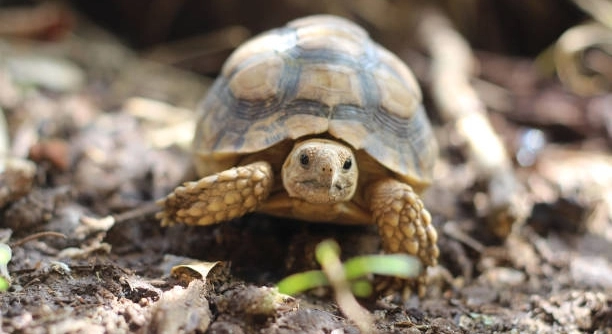
Is your overly active box turtle keeping you on your toes? Managing their high energy can be challenging yet rewarding. Understanding their needs is essential to creating a balanced and enjoyable environment for these lively reptiles.
To handle an overly active box turtle effectively, focus on providing proper stimulation, balanced nutrition, and a suitable habitat. These factors address their energy needs while ensuring they remain healthy and engaged. Consistency is crucial for success.
From enriching their enclosure to refining their diet, each tip will guide you toward a happier and healthier pet. Let’s explore how to make the most of your time with them.
Understanding Your Box Turtle’s Activity
Box turtles are naturally active creatures, especially when their environment supports exploration and stimulation. High energy can indicate a healthy pet, but it may also mean their habitat lacks the elements they need for mental and physical engagement. Ensuring your turtle has access to enrichment activities, varied terrain, and interactive features can help balance their energy levels. Environmental factors, such as lighting, temperature, and humidity, play a significant role in regulating their behavior. Small adjustments to their habitat can make a noticeable difference in their activity levels.
Creating a balanced environment for your turtle requires intentional planning. A spacious enclosure with hiding spots, basking areas, and clean water fosters natural behaviors. Routine adjustments may be necessary to keep your turtle stimulated.
A well-balanced habitat not only promotes health but also helps manage activity levels effectively. Attention to detail ensures your turtle thrives in its environment.
Ensuring Proper Nutrition
Balanced nutrition is essential to regulate your turtle’s energy levels. Offering a diet rich in vegetables, fruits, and protein sources ensures they receive all the nutrients necessary for their active lifestyle. Avoid overfeeding, as this can lead to behavioral and health issues.
Provide fresh, varied food daily, including leafy greens, safe fruits, and occasional insects. Monitor their eating habits closely to adjust portion sizes as needed. A proper diet supports their growth, overall well-being, and activity regulation.
Dietary variety encourages mental engagement and helps address excess energy. When paired with appropriate portions, you can prevent overactivity and foster a healthier routine for your box turtle.
Providing Enrichment Activities
Introduce enrichment items like logs, plants, and rocks to your turtle’s enclosure. These additions create opportunities for exploration and mimic their natural habitat. Regularly rotating these items can keep their environment stimulating and prevent boredom.
Enrichment activities such as creating burrowing areas or adding climbing structures engage your turtle both physically and mentally. Incorporate items like edible plants or moveable objects to encourage foraging behavior. These activities replicate their instincts and contribute to maintaining their health while reducing excessive energy levels.
Interaction outside the enclosure also provides mental stimulation. Safe, supervised exploration in a controlled space can keep your turtle active without overwhelming them. Regular handling sessions help your turtle bond with you while reducing stress and promoting trust. Simple changes can significantly enhance their quality of life.
Monitoring Temperature and Lighting
Temperature and lighting play crucial roles in your turtle’s energy regulation. Proper basking and ambient temperatures prevent overactivity and support their natural rhythms. Invest in a reliable thermometer and UVB light to ensure accuracy.
The basking area should maintain a temperature between 85–90°F, while the cooler side of the enclosure should remain around 70–75°F. Adjust lighting duration seasonally to reflect natural cycles. UVB lighting is essential for calcium absorption and preventing health issues.
Maintaining consistent conditions not only ensures a balanced energy level but also promotes long-term health. Observing your turtle’s behavior can help you fine-tune these environmental factors, making their habitat as natural and comfortable as possible.
Adjusting Daily Routines
Establish a consistent feeding and lighting schedule to help your turtle maintain a healthy routine. Predictable patterns can reduce hyperactivity and promote natural behaviors, aligning their energy with appropriate times of the day.
Include periods of rest in their daily routine. Ensuring they have quiet, undisturbed time helps balance activity levels and prevents overexertion.
Observing Behavioral Changes
Pay attention to any shifts in your turtle’s activity, as these can indicate changes in health or environmental conditions. Regular monitoring allows for timely adjustments to their care.
Behavioral changes may also signal stress or discomfort. Addressing these issues quickly can improve their well-being and ensure a happier, healthier turtle.
Creating Hiding Spots
Add hiding spots such as plants, caves, or hollow logs to the enclosure. These provide a sense of security and help your turtle relax during high-energy moments.
FAQ
How much space do box turtles need in their enclosure?
Box turtles require ample space to roam and explore. The general guideline is 10–15 square feet of space for one turtle, but larger enclosures are always beneficial. The more room you provide, the more your turtle can engage in natural behaviors. It’s important to create both open and secluded areas within their space to ensure they feel secure while having room to move freely. A cramped environment can lead to stress and increased activity levels.
What is the best way to reduce excessive energy in box turtles?
To manage excessive energy in box turtles, it’s essential to adjust their habitat, diet, and daily routine. Providing a variety of enrichment activities, such as climbing structures or foraging opportunities, can help channel their energy. Regular outdoor time in a secure area can also help burn off excess energy. Ensuring proper lighting and temperature control prevents stress, which can lead to hyperactivity. Finally, establishing a consistent feeding and resting routine helps balance their energy.
Can box turtles live together, or do they need to be kept alone?
While box turtles are generally solitary animals, it’s possible for them to coexist with other box turtles if introduced properly. Keep in mind that male box turtles can be territorial and aggressive towards each other. If you choose to house multiple turtles, monitor their interactions closely and provide plenty of space to minimize stress and aggression. It’s important to provide separate food and water areas to avoid competition. However, if you notice signs of aggression or stress, it’s best to house them separately.
How often should I feed my box turtle?
Box turtles are typically fed every other day, but their feeding schedule can vary depending on age, size, and activity level. Juvenile turtles require more frequent feeding, while adults can go a bit longer between meals. A balanced diet consisting of leafy greens, fruits, vegetables, and occasional protein is essential. Offering a variety of food not only ensures proper nutrition but also prevents boredom. Always remove uneaten food after a few hours to avoid contamination.
What should I do if my box turtle is not eating?
If your box turtle refuses to eat, check their habitat for any issues. Environmental factors like temperature, humidity, and lighting might be affecting their appetite. Stress, illness, or an improper diet can also be reasons for a lack of eating. Ensure their habitat is clean and that they have access to fresh food. If the problem persists for more than a few days, it’s best to consult a veterinarian to rule out health concerns.
How can I tell if my box turtle is stressed?
Signs of stress in box turtles include excessive pacing, hiding, lack of appetite, and aggressive behavior. Stress can be caused by environmental factors, such as temperature fluctuations, inadequate lighting, or overcrowding. Ensure their enclosure is the right size, with proper heating, lighting, and hiding spots. If the stress continues, look for any changes in behavior and consult a vet if necessary. Stress can weaken their immune system, making them more vulnerable to illness.
How can I keep my box turtle healthy in winter?
In colder months, box turtles may slow down, entering a form of brumation. It’s important to monitor their habitat temperature carefully and ensure they’re kept in a warm, safe area if they are indoors. If you live in a cold climate, it’s best to bring them inside before the temperature drops. You may want to adjust their diet during this period, offering more protein to support their energy needs. However, don’t force them to eat if they show signs of slowing down—just ensure they have a comfortable, safe place to rest.
Are box turtles good pets for beginners?
Box turtles can make great pets for beginners, but they do require a bit of care and attention. Their habitat must be kept clean, and you must monitor their environment carefully to prevent stress. Additionally, providing a varied diet and ensuring the right lighting and heating conditions is essential. Beginners should be prepared for the commitment of maintaining an appropriate environment and regular care. With the right resources and knowledge, box turtles can thrive in captivity and be an enjoyable companion.
How can I help my box turtle be more active?
To encourage activity in your box turtle, create a stimulating environment with plenty of opportunities for movement and exploration. Adding climbing structures, hiding spots, and varied textures in their enclosure mimics their natural habitat and encourages physical activity. Regular outdoor time in a secure, fenced area also provides valuable exercise and mental stimulation. It’s important to monitor temperature and lighting to ensure they’re in the ideal range for your turtle’s species, as improper conditions can affect their activity levels.
Can I take my box turtle outside?
Taking your box turtle outside can be beneficial, but it’s important to do so in a safe, controlled environment. Ensure the area is secure, free of predators, and has proper sunlight and shelter. Never leave your turtle unsupervised, as they are slow-moving and vulnerable to danger. Outdoor time provides natural enrichment and exercise, but be cautious about weather conditions, especially in extreme heat or cold. If outdoor access is not an option, a well-stimulated indoor environment is essential for their well-being.
Do box turtles need UVB light?
Yes, box turtles need UVB light to thrive. UVB rays help them synthesize vitamin D3, which is crucial for calcium absorption and bone health. Without proper UVB exposure, your turtle can develop metabolic bone disease. Ensure you use a UVB light designed specifically for reptiles, and replace the bulb every 6–12 months, as its effectiveness diminishes over time. Aim for 10–12 hours of light per day, adjusting for seasonal changes. UVB lighting is essential for maintaining a healthy, active turtle.
Final Thoughts
Caring for box turtles can be both rewarding and challenging. While they are relatively low-maintenance pets, their needs should not be underestimated. Providing a well-balanced environment is key to ensuring their well-being. This includes maintaining proper lighting, temperature, and humidity levels in their enclosure. It’s also essential to offer a varied diet that mimics what they would naturally eat in the wild, consisting of vegetables, fruits, and occasional protein. Regular observation of their behavior can help detect any signs of stress or illness early, allowing you to address issues promptly.
Box turtles, like all pets, thrive in environments where they feel secure and comfortable. Enrichment is another important factor that can help prevent boredom and excessive energy. Providing hiding spots, climbing structures, and a safe outdoor space will encourage your turtle to remain active and engaged. Remember, box turtles have individual personalities, so some may prefer more privacy, while others might enjoy exploring. Understanding their unique preferences will help you create a more personalized and supportive habitat.
Overall, caring for a box turtle is a long-term commitment that requires attention to detail. By ensuring their physical and mental needs are met, you can enjoy watching your turtle live a healthy, happy life. Whether you have one or several, remember that their well-being depends on the environment you create for them. Patience and consistency are essential in becoming a successful turtle caretaker. Keeping your box turtle happy and healthy will be a fulfilling experience for both of you.

Hello,
If you enjoy the content that we create, please consider saying a "Thank You!" by leaving a tip.
Every little bit helps us continue crafting quality advice that supports the health, happiness, and well-being of pets around the world, for pets of all shapes, sizes, and species.
We really appreciate the kindness and support that you show us!