
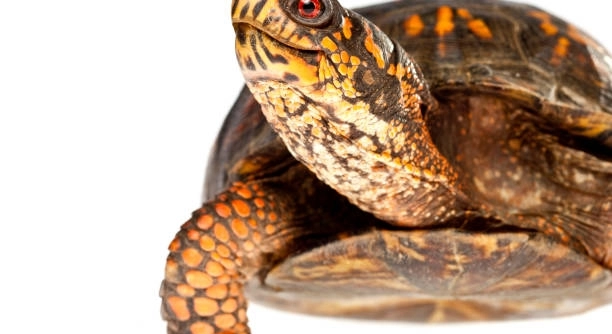
Overcrowding in box turtle habitats can lead to stress, health issues, and territorial disputes. Ensuring enough space for each turtle is crucial for their well-being and development. Proper management is key to maintaining a healthy environment.
Overcrowding occurs when turtles are kept in confined spaces that do not allow them to move freely or establish territories. This can result in aggression, competition for resources, and increased stress, negatively affecting their health and behavior.
Taking steps to properly manage their space and address overcrowding will ensure your turtles live comfortably and thrive in a healthier environment.
Assess the Size of the Habitat
Overcrowding often stems from not having enough space for each turtle. Box turtles need a large enough area to roam, bask, and explore. The ideal habitat size depends on how many turtles you have. A single turtle needs at least a 40-gallon enclosure, while each additional turtle will require more space. Without adequate room, turtles can become stressed, which may lead to aggression or health issues. Providing enough space for each turtle will help reduce territorial disputes and allow them to enjoy a more natural lifestyle.
If your enclosure is too small, consider upgrading to a larger tank or setting up an outdoor enclosure. You may also want to rearrange the environment to provide more climbing areas, hiding spots, and water access.
It’s crucial to recognize that overcrowding can be more than just a physical space issue. The design of the enclosure can significantly impact how turtles interact with each other and their environment. Ensure your turtles feel safe, secure, and free to engage in natural behaviors.
Provide Hiding Spots and Climbing Areas
Creating places for your turtles to hide and climb gives them more room to establish their territory. Adding logs, rocks, and plants can help. This reduces stress and competition for space. When turtles feel secure, they are less likely to fight over space or resources. Hiding spots also allow them to retreat and relax when needed.
Climbing areas, like logs or ramps, allow for more movement and mimic natural habitats. They also provide different micro-environments, such as higher ground or shaded areas. Both hiding spots and climbing structures should be spread out to avoid crowding in one area. This encourages your turtles to explore more and prevents them from clustering in one corner. Ensure that the hiding spots are large enough for each turtle to fit comfortably.
Adding variety to the space also encourages natural behaviors. Turtles are territorial creatures, and providing opportunities for them to stake their claim on a particular area without constant conflict helps maintain balance in the habitat.
Manage the Water Supply
Turtles need a clean and accessible water source. Overcrowding can lead to contaminated water more quickly. Keeping water clean is vital for the turtles’ health. If the water becomes dirty, turtles may avoid it, or worse, develop skin or shell issues.
Regularly change the water to keep it fresh and free from bacteria. If your turtles are housed together, consider adding a filter to help maintain water quality. Make sure the water is deep enough for your turtles to submerge their bodies but not so deep that it causes stress. A shallow area for basking should be available too.
If your turtles have different preferences for water depth or temperature, you may need to add separate water areas. This lets them find their ideal spot, reducing conflict. A proper water supply also supports overall health and prevents territorial disputes. Keep an eye on the water quality and make sure it remains clean and safe for your turtles.
Monitor the Temperature
Temperature plays a key role in the turtles’ comfort. Overcrowding can cause heat stress, especially when multiple turtles gather in one basking spot. Make sure your habitat has temperature zones, such as a warm basking area and cooler shaded spots.
A basking light should be used to provide heat during the day. The ideal temperature range for box turtles is around 75-85°F during the day. Ensure that the temperature doesn’t drop too low at night. Proper heat levels promote healthy digestion, behavior, and shell growth. If needed, use a thermometer to monitor the environment.
Temperature fluctuations should be kept to a minimum. Turtles are sensitive to extreme changes in heat, which can lead to stress or illness. If your setup lacks proper temperature control, consider investing in a thermostat or heating pad to regulate the temperature. Keeping these factors in check helps maintain a calm and stable environment for your turtles.
Avoid Overfeeding
Overfeeding your turtles may contribute to overcrowding issues in other ways. When turtles overeat, they may become sluggish or inactive, taking up more space in the habitat. It can also lead to health problems like obesity or shell deformities.
Ensure that you’re feeding them the right amount of food for their size and age. Regularly remove any uneaten food to prevent it from contaminating the habitat. Feeding smaller portions more frequently will encourage better digestion and prevent excess waste buildup. Proper feeding habits keep the turtles healthy and reduce the likelihood of overcrowding issues caused by inactive or unhealthy turtles.
FAQ
How many box turtles can live together in one habitat?
The number of turtles you can house in one habitat depends on the size of the enclosure. Ideally, each turtle should have at least 40 gallons of space. For each additional turtle, add 10 gallons. Overcrowding can lead to stress, fighting, and health problems.
If the space is too limited, the turtles may fight for food, basking spots, or water. It’s essential to assess both the physical space and the behavioral needs of your turtles. In general, smaller groups work best, and you should always monitor interactions to ensure everyone is comfortable. It’s also important to keep males and females separate if you’re trying to avoid breeding or territorial aggression.
What are the signs of overcrowding in a box turtle habitat?
Signs of overcrowding include increased aggression, stress, and turtles constantly trying to escape. If you notice biting, shell damage, or turtles becoming inactive, overcrowding might be the issue. Turtles may also refuse to eat, showing that they’re stressed.
A decrease in their activity levels, such as fewer movements or fewer basking spots being used, may signal that they don’t feel comfortable. Additionally, a dirty or contaminated habitat can make your turtles anxious and unhealthy. It’s crucial to address overcrowding quickly to prevent any lasting harm to your turtles.
Can box turtles live in the same enclosure with other animals?
Box turtles are generally better off in a habitat that only includes other box turtles. Keeping them with other species can lead to stress, disease transmission, and territorial fights. Certain species, like frogs, can be kept with box turtles, but caution should be taken.
Before adding other animals, research their compatibility with box turtles. Some animals may carry parasites or illnesses that can harm your turtles. If you’re unsure, it’s best to house your box turtles alone. Ensuring their safety and well-being should be your top priority, and that might mean limiting their living companions.
What temperature is ideal for a box turtle habitat?
Box turtles thrive in temperatures between 75-85°F during the day. The basking spot should be warmer, around 90°F, while the cooler side of the habitat should stay around 70°F. Nighttime temperatures can drop to around 60°F, but they shouldn’t fall below this.
Maintaining these temperatures helps your turtles stay active, digest food properly, and live a healthy life. Use heat lamps to provide warmth, and make sure the habitat has cooler areas where the turtles can retreat if they get too hot. It’s crucial to monitor temperature fluctuations to ensure the enclosure remains stable.
How often should I clean a box turtle habitat?
You should clean your box turtle’s habitat regularly to maintain their health. Spot clean the enclosure daily, removing uneaten food, waste, and any other debris. A full clean, including changing the bedding and washing accessories, should be done every 2-4 weeks.
Cleaning the habitat prevents bacterial growth and ensures a fresh living space for your turtles. Dirty enclosures can lead to skin infections or respiratory issues. If you have more than one turtle, you may need to clean it more often, especially if the turtles produce a lot of waste.
Can overcrowding affect the health of box turtles?
Yes, overcrowding can significantly affect the health of your turtles. It can lead to increased stress, which weakens their immune system and makes them more susceptible to illness. Stress can also cause poor feeding habits, weight loss, or aggression, leading to injury or even death.
In a cramped space, turtles may be exposed to contaminated food or water, resulting in skin infections, respiratory problems, or parasites. They may also have difficulty digesting food properly if they feel constantly threatened by the presence of other turtles. Ensuring enough space will help your turtles stay healthy and active.
How can I keep my box turtles entertained?
Box turtles enjoy exploring and foraging. To keep them entertained, you can add plants, rocks, and logs for them to climb on or hide behind. Changing their environment occasionally can also provide new challenges. You can even hide their food in different areas to encourage natural foraging behavior.
Turtles also benefit from stimulation outside of their habitats. If safe, you can let them roam around a controlled outdoor space to explore new environments. Just be sure the area is secure to prevent escapes or predators.
Can I use a filter for the water in the box turtle habitat?
Yes, using a water filter can help keep the water clean and reduce the frequency of water changes. Turtles are messy eaters, and their waste can quickly pollute the water. A good filter will help remove debris and harmful bacteria, ensuring the water remains safe for them to drink and bathe in.
However, you should still clean the water periodically, even with a filter. Make sure the filter is sized correctly for the habitat and check its efficiency. A filter should be part of a larger maintenance routine, not a replacement for regular cleaning.
How do I prevent territorial aggression among box turtles?
To prevent aggression, ensure your turtles have enough space to claim their own territory. Provide multiple basking spots, food areas, and hiding spaces to reduce competition. If there are more males than females, the males are likely to become more territorial.
Keep an eye on their behavior and separate aggressive turtles if necessary. If they seem overly stressed, consider adding more hiding places or rearranging their environment. You can also feed them at different times to reduce the chance of resource competition. The goal is to create a peaceful, stress-free environment for all the turtles.
Final Thoughts
Managing overcrowding in box turtle habitats is essential for maintaining the health and well-being of your turtles. Overcrowding can lead to stress, aggression, and health problems. By ensuring enough space, proper heating, and maintaining a clean environment, you can provide a comfortable space for your turtles to thrive. It’s important to regularly monitor their behavior, as well as the conditions within the habitat, to ensure they are not feeling threatened or cramped.
Overcrowding can also impact their feeding and activity levels. When turtles are forced to compete for food or basking spots, it can lead to malnutrition or injury. Providing enough room for each turtle to eat and move freely helps prevent these issues. In addition to physical space, the arrangement of their habitat plays a role in reducing stress. Adding logs, plants, and other items to break up the space gives them a sense of ownership and privacy, which is key to a peaceful environment.
Ultimately, the well-being of your box turtles depends on how well you manage their living conditions. While they may seem resilient, they are sensitive creatures that need careful attention. By following simple guidelines and being proactive about their care, you can ensure that your turtles live happy, healthy lives. Managing overcrowding is just one aspect of responsible turtle care, but it’s a crucial one for creating an environment where they can thrive.

Hello,
If you enjoy the content that we create, please consider saying a "Thank You!" by leaving a tip.
Every little bit helps us continue crafting quality advice that supports the health, happiness, and well-being of pets around the world, for pets of all shapes, sizes, and species.
We really appreciate the kindness and support that you show us!