
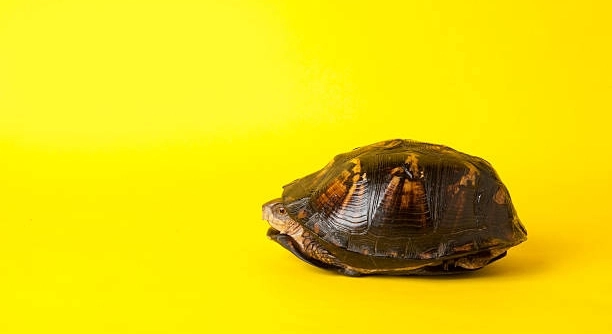
Box turtle eggs require careful handling and the right environment to hatch successfully. Proper incubation ensures healthy development and increases the chances of hatching. Knowing how to care for these delicate eggs is crucial for their survival.
To incubate box turtle eggs, maintain a stable temperature of 80–85°F with consistent humidity around 70–80%. Use a secure incubator, monitor conditions daily, and avoid unnecessary handling to promote safe and healthy development.
Following these seven simple steps will give you confidence and clarity in the incubation process, ensuring your turtle eggs have the best chance to thrive.
Preparing the Incubator
Setting up the incubator correctly is the first step to successful egg incubation. Choose a reliable incubator designed for reptile eggs to maintain consistent temperature and humidity. Fill the base with water or damp substrate to ensure adequate humidity levels, and place a thermometer and hygrometer inside for precise monitoring. Adjust settings to maintain a steady temperature between 80–85°F and humidity of 70–80%. This controlled environment mimics natural nesting conditions, encouraging proper egg development. Make sure the incubator is positioned in a quiet, stable area away from direct sunlight or drafts.
Regularly check the incubator’s temperature and humidity levels to prevent fluctuations. Keep a small water reservoir inside to maintain humidity, especially during warm, dry periods.
Proper preparation ensures your eggs have the best environment for healthy development, increasing their chances of hatching successfully.
Handling and Placing the Eggs
Minimize handling to avoid harming the eggs. Gently place them in the incubator with their original orientation intact to prevent disrupting internal development.
Use a moist vermiculite or perlite substrate to support the eggs. Position each egg so they don’t touch, leaving space for airflow. Maintaining cleanliness and proper spacing in the incubator helps ensure optimal conditions throughout the incubation process.
Monitoring the Eggs
Check the eggs daily for signs of mold or dehydration. Mold can harm the eggs, while dehydration can compromise their viability. Address these issues immediately by adjusting the humidity or carefully cleaning affected areas with a cotton swab.
Candling the eggs can help track their development. Use a small flashlight in a dark room, holding it gently against the egg to see the embryo’s progress. Look for veins, which indicate a healthy egg. Avoid excessive handling during this process to minimize stress. Maintaining consistent incubator conditions is equally important—avoid frequent opening of the incubator to reduce temperature or humidity fluctuations.
Eggshell discoloration may indicate problems. If an egg appears dull or shriveled, it might be non-viable. Remove it to avoid affecting the other eggs. Regular monitoring ensures issues are detected early, giving viable eggs the best chance to thrive.
Preparing for Hatching
As hatching time approaches, avoid moving the eggs to reduce stress. Maintain consistent incubator conditions and watch for signs of pipping, where the baby turtles start cracking the shell.
Increase humidity slightly to make the hatching process easier for the turtles. Provide a soft surface inside the incubator to support their delicate movements once they emerge. The turtles will remain in their shells for a short period after hatching, absorbing the yolk sac for nutrition. Allow them to complete this process naturally before transferring them to a safe, warm habitat. Regular observation ensures they stay healthy and adapt well to their new environment.
Managing Hatchlings After Emergence
Once the turtles have hatched, transfer them to a shallow container filled with clean, lukewarm water. This helps them stay hydrated and stimulates their movements. Ensure the water is shallow enough for them to surface easily.
Monitor hatchlings closely for any signs of weakness or incomplete yolk sac absorption. Provide a warm, dry area in their enclosure to rest, ensuring they can alternate between water and a dry surface.
Feeding Hatchlings
Hatchlings typically begin eating a few days after hatching, once their yolk sacs are absorbed. Offer finely chopped greens, small insects, or commercial turtle pellets as their first meals. Introduce food slowly, observing their preferences to ensure they eat enough for healthy growth.
Maintaining Hygiene
Keep the hatchlings’ enclosure clean by changing the water daily and removing leftover food promptly. A clean environment minimizes the risk of infections and promotes their overall well-being.
FAQ
How long does it take for box turtle eggs to hatch?
Box turtle eggs typically take around 60 to 90 days to hatch, depending on the temperature and humidity levels in the incubator. Warmer conditions may speed up development, while cooler settings can lengthen the incubation period.
What is the ideal temperature for incubating box turtle eggs?
The ideal temperature range is between 80–85°F. Maintaining a stable temperature within this range helps ensure proper embryonic development. Fluctuations outside this range can lead to developmental issues or reduce the eggs’ viability.
How can I keep the humidity levels consistent?
Use a hygrometer to monitor humidity and adjust by adding water to the substrate or placing a small water container in the incubator. Covering the incubator partially can also help retain moisture. Aim for 70–80% humidity.
What should I do if mold appears on an egg?
If mold develops, carefully clean the affected area with a cotton swab dampened with water or a mild antifungal solution. Avoid disturbing the egg’s orientation, as this could harm the embryo. Adjust humidity to prevent further mold growth.
Can infertile eggs harm the viable ones?
Yes, infertile eggs can spoil and promote mold growth, which may spread to healthy eggs. Remove any infertile eggs promptly, being careful not to disturb the viable ones in the process.
When should I start candling the eggs?
Begin candling about two weeks into incubation. Use a small flashlight in a dark room to check for vein development and signs of a healthy embryo. Avoid excessive handling to prevent stress to the eggs.
What if an egg cracks during incubation?
Minor cracks can sometimes be repaired by carefully sealing them with a thin layer of non-toxic glue or wax. Monitor the egg closely for signs of mold or further damage. If the embryo is healthy, it may still develop normally.
How do I know when the eggs are about to hatch?
As hatching nears, you may notice small cracks or holes in the eggs, known as pipping. The baby turtles may remain partially inside the shell for a day or two as they absorb the yolk sac before fully emerging.
What should I do with unhatched eggs?
If some eggs don’t hatch within the expected time frame, leave them in the incubator for a few extra days. Candle them to check for signs of life. If there’s no activity, they are likely non-viable.
How soon can hatchlings be handled?
Limit handling for the first few days, allowing the hatchlings to acclimate and fully absorb their yolk sacs. When handling is necessary, do so gently and only for short periods to avoid stressing them.
Do hatchlings need special care compared to adult turtles?
Yes, hatchlings are more delicate and require a shallow water habitat, finely chopped food, and consistent warmth. Regular monitoring and a clean environment are essential for their health and development.
What type of enclosure is best for hatchlings?
A small, shallow container with a water section and a dry area works best. Use a heat lamp to maintain a temperature of 85–90°F in one section, allowing the hatchlings to regulate their body temperature by moving between warm and cool areas.
Can hatchlings stay together in one enclosure?
Yes, but monitor them closely for signs of aggression or competition over food. Provide enough space and hiding spots to reduce stress. Separate hatchlings if aggressive behavior occurs.
What should I do if a hatchling appears weak or inactive?
Place the hatchling in a warm, quiet area with shallow water to help stimulate activity. Offer easily digestible food and monitor its behavior. Consult a veterinarian specializing in reptiles if the hatchling doesn’t improve.
Final Thoughts
Caring for box turtle eggs and hatchlings is a rewarding experience that requires patience and attention to detail. From maintaining the proper temperature and humidity to monitoring the eggs’ development, each step plays a vital role in ensuring successful hatching. Even small mistakes can impact the process, so staying consistent with care is key. Whether you’re a first-time turtle caretaker or have experience with reptiles, taking the time to learn these steps ensures you’re providing the best environment for the eggs and hatchlings.
Once the hatchlings emerge, their care doesn’t end. Providing a clean, safe habitat and nutritious food helps them grow into healthy turtles. It’s important to monitor their behavior and adjust their environment as needed. Hatchlings are delicate and more vulnerable than adult turtles, so consistent care is crucial during these early stages. Ensuring they have access to both water and a dry area is essential for their health and comfort.
Raising box turtle hatchlings can be both a challenge and a joy. Watching them grow and thrive under your care is deeply fulfilling. By following the steps outlined in this guide, you can feel confident in giving them the best start in life. With proper attention and dedication, you’ll set the foundation for their long-term health and well-being.

Hello,
If you enjoy the content that we create, please consider saying a "Thank You!" by leaving a tip.
Every little bit helps us continue crafting quality advice that supports the health, happiness, and well-being of pets around the world, for pets of all shapes, sizes, and species.
We really appreciate the kindness and support that you show us!