
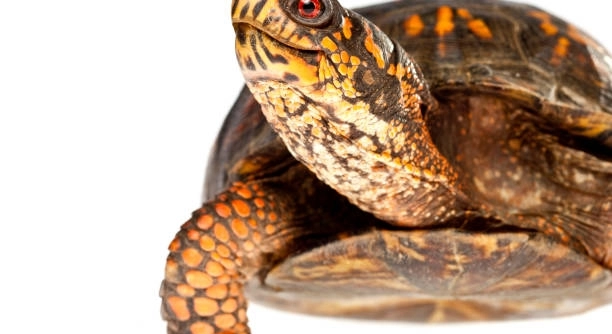
Box turtles have unique dietary needs, and understanding how their nutrition varies with the seasons can be key to their overall health. Their diet changes with the environment, impacting their energy, immune system, and general well-being.
Seasonal diet changes benefit box turtles by helping them adjust to different environmental conditions. These changes support their natural behaviors, such as hibernation, and can improve their digestion, immune function, and longevity. Adjusting their diet ensures they get the nutrients they need at different times.
The right food at the right time can support your turtle’s natural cycle. Understanding what they need during each season will help improve their health. There are many examples to guide you in making those changes.
How Seasonal Changes Affect Box Turtles’ Diet
As the seasons shift, so do the needs of box turtles. In the warmer months, they tend to be more active and require a diet rich in protein, such as insects and worms. As the temperature drops, their activity slows, and they need fewer calories. During colder months, they often hibernate and require less food, but their body still needs certain nutrients to stay healthy. These dietary adjustments are crucial in ensuring that they remain strong and able to handle changes in weather and activity levels.
When box turtles are active, their diet should be higher in protein. This helps them maintain energy and supports the growth of healthy bones and muscles. In colder weather, however, it’s vital to reduce their intake, as they are not using as much energy.
The amount of food that a box turtle needs during the colder months can also vary based on how much they hibernate. While some turtles might eat little to nothing during hibernation, others will need smaller amounts of food to maintain strength. Knowing how to manage their food intake during these times is essential for their overall well-being. It is important to ensure their diet is balanced with fresh vegetables, fruits, and protein sources during the active months to support their health. Understanding these changes will help you take better care of your turtle through each season.
The Role of Protein in Box Turtles’ Diet
Protein is especially important during the warmer months when box turtles are more active. This nutrient helps with tissue repair and muscle growth. A higher protein diet supports these needs and boosts overall health. During the colder months, the need for protein decreases significantly.
In colder weather, box turtles typically eat less because they move less. Their metabolism slows down, and they may enter hibernation. For this reason, offering a variety of foods, including protein-rich insects and low-calorie plants, can help ensure that they are getting the nutrition they need without overeating. If the turtle is still active during winter, adjusting its diet to include smaller portions of protein can still provide the energy needed for their slow movements and less active state. The key is moderation during the months when their activity drops.
Benefits of a Vegetable-Rich Diet
Vegetables are an important part of a box turtle’s diet, providing essential vitamins and minerals. During active months, leafy greens, such as dandelion greens, collard greens, and kale, should be a regular part of their meals. These vegetables help with digestion, hydration, and overall health.
Fresh vegetables are especially important because they offer fiber and hydration, which are crucial for maintaining a healthy digestive system. Box turtles need variety, so rotating different greens helps prevent boredom and ensures they get a range of nutrients. It’s also important to avoid giving them vegetables that are high in oxalates, like spinach, which can hinder calcium absorption.
If your box turtle has access to fresh vegetables year-round, they will thrive. Vegetables also provide a natural source of hydration, which is essential for digestion. Keep in mind that too many fruits, while appealing, can be too sugary and should be offered in moderation. Maintaining a balanced vegetable intake is key to a long and healthy life for your box turtle.
Adjusting Diet During Hibernation
Box turtles may not need food at all during hibernation, depending on how long they stay dormant. However, before they begin hibernating, it’s important to feed them a nutrient-dense meal to help them store energy. A final meal high in protein and vegetables ensures they have what they need to get through their rest period.
The body of a hibernating box turtle slows down, so feeding it regularly before hibernation helps it enter the season strong. It’s best to adjust their diet before hibernation begins, giving them more food in the weeks leading up to their dormancy. Once they stop eating, there’s no need to worry about food for a few months. Just make sure their enclosure is well-prepared and safe for hibernation.
Box turtles may experience minor weight loss during hibernation, which is normal. However, when they wake, it’s important to gradually reintroduce food into their diet. They may start by eating smaller portions until their appetite returns.
Seasonal Protein Sources
In warmer months, box turtles benefit from a higher intake of protein, which they get from insects, worms, and other small animals. Protein is crucial for maintaining energy and muscle mass when they are most active. It’s best to offer a variety of insects to ensure they get all necessary nutrients.
Crickets, mealworms, and earthworms are great sources of protein. These foods should make up a larger portion of their diet during the active months. When feeding protein, it’s important to also provide a calcium supplement to balance the nutrients and avoid deficiencies. Too much protein without calcium can lead to health problems.
Providing diverse protein sources helps mimic what box turtles would naturally find in the wild. It’s important to rotate between different insects and other small creatures to ensure they get a balanced diet. This also prevents your turtle from becoming picky and encourages natural hunting behaviors.
The Importance of Calcium
Calcium is a vital mineral for box turtles. It supports their bone health, shell growth, and overall bodily functions. As they grow, box turtles need a steady supply of calcium to build a strong shell and maintain their health, especially during their active months.
Adding calcium to their diet is easy. Offering calcium-rich foods such as leafy greens, or using calcium supplements in their meals, helps meet their daily requirements. Without enough calcium, box turtles can develop soft shells, which leaves them vulnerable to injury. A balanced diet with calcium ensures your turtle remains strong and healthy.
Hydration and Water Needs
Proper hydration is essential for box turtles, especially during warmer months. While they get some water from vegetables, fresh water should always be available for them to drink and bathe in. Box turtles are naturally drawn to water, and keeping their water dish clean and filled is crucial for their well-being.
FAQ
How often should I feed my box turtle?
The feeding frequency of box turtles depends on their age, activity level, and the season. Young turtles need to eat daily due to their fast metabolism and growth. Adult box turtles generally need food every other day during the active months, but in colder weather, you can reduce the frequency as their activity slows. If your turtle is hibernating, it won’t need to eat at all during this time. Always adjust their feeding schedule based on their individual needs and seasonal changes.
Can box turtles eat fruits?
Yes, box turtles can eat fruits, but they should be offered in moderation. Fruits contain sugar, which, while tasty, can upset their digestion if given too frequently. A few bites of fruit every week is usually enough. Safe fruits for box turtles include strawberries, apples, and grapes. Always remove seeds and pits that could pose a choking hazard or contain toxins. Make sure the fruit is chopped into small pieces to avoid any issues.
What is the best diet for a box turtle?
The best diet for a box turtle consists of a variety of proteins, vegetables, and some fruits. Offer leafy greens such as collard greens, dandelion greens, and kale. Protein can come from insects like crickets, mealworms, and earthworms. You should also occasionally offer fruits like strawberries or apples. Calcium and vitamin supplementation may be necessary, especially if your turtle is not getting enough from its food. Ensuring diversity in their meals is key to their health.
Can I feed my box turtle commercial food?
Commercial box turtle food can be used as a supplement, but it should not be the primary source of nutrition. Many pre-packaged foods do not offer the full range of nutrients box turtles need. It’s best to provide fresh vegetables, fruits, and protein sources in addition to any commercial food. If you do decide to use commercial food, look for high-quality options that include essential nutrients like calcium and vitamins. Always check the ingredients to avoid fillers that are not beneficial to your turtle.
Are there any foods I should avoid feeding my box turtle?
Yes, there are several foods that should be avoided. Avoid feeding your box turtle processed foods, dairy, or meats with high-fat content, as they can be harmful. Also, some plants are toxic to turtles, such as ivy, oleander, and certain types of mushrooms. Never feed box turtles iceberg lettuce, as it has little nutritional value and can cause digestive issues. Also, stay away from high-oxalate foods like spinach, which can interfere with calcium absorption.
How can I tell if my box turtle is sick?
Sick box turtles often exhibit changes in behavior, appetite, or appearance. Look for signs like lethargy, lack of appetite, a soft or swollen shell, discharge from the eyes or nose, or irregular breathing. If you notice these signs, it’s important to take your turtle to a vet who specializes in reptiles. Regular monitoring of their weight and activity can also help you catch any early signs of illness.
What temperature should I keep my box turtle’s enclosure?
Box turtles are cold-blooded, so they rely on external temperatures to regulate their body heat. During the day, the temperature in their enclosure should range from 75°F to 85°F (24°C to 29°C). They should also have a basking spot with temperatures up to 90°F (32°C). At night, temperatures can drop to around 65°F to 75°F (18°C to 24°C). Avoid drastic temperature fluctuations and ensure they have a warm, safe environment that mimics their natural habitat.
Do box turtles need UVB light?
Yes, box turtles need UVB light to metabolize calcium properly and avoid bone problems. If they are not exposed to natural sunlight, you will need to provide a UVB light in their enclosure. This helps them produce Vitamin D3, which is crucial for calcium absorption. Make sure the light is within the proper distance from your turtle and replace it regularly, as UVB rays lose their effectiveness over time. Ensure that the enclosure also has areas with both light and shade so your turtle can regulate its temperature.
How do I prepare my box turtle for hibernation?
Before your box turtle enters hibernation, make sure it is in good health and has access to fresh food. Gradually reduce its feeding and make sure it has a high-calcium, nutrient-dense meal just before it starts hibernating. Create a safe and quiet space for hibernation, ideally with a temperature between 40°F and 50°F (4°C to 10°C). It’s important not to disturb them too often during hibernation. If your turtle is in a hibernation-like state but is not fully dormant, ensure it has access to hydration.
How do I safely introduce new foods to my box turtle?
Introducing new foods should be done slowly. Start by offering small amounts of a new food alongside familiar ones. Observe your turtle’s reaction and appetite. If it eats the new food without any issues, you can gradually increase the amount. This approach helps avoid digestive upsets and ensures that your turtle is getting a variety of nutrients without causing stress. If your turtle refuses a new food, try again later with a different texture or type of food. Be patient and persistent.
Can box turtles live with other pets?
Box turtles are solitary creatures and generally prefer to live alone. While some turtles can tolerate the presence of other turtles in the same enclosure, they may be territorial and can become aggressive. If you are considering housing multiple box turtles together, ensure they have enough space and hide areas to reduce stress. Avoid keeping box turtles with other species of reptiles or animals, as this can lead to stress or injury. Always monitor their behavior closely to ensure they are not being stressed by the presence of other pets.
What size enclosure does my box turtle need?
The size of the enclosure depends on the size of the box turtle. A general rule of thumb is to provide at least 10 square feet of space for a single adult box turtle. Larger enclosures are always better, as they give your turtle more space to roam and explore. A spacious outdoor enclosure is ideal, but if you are using an indoor enclosure, make sure it is large enough to offer areas for basking, hiding, and walking. The enclosure should be escape-proof and secure.
Do box turtles need a soaking area?
Yes, box turtles need a shallow soaking area where they can soak to help with hydration. Soaking can help keep their skin moist and support digestion. The water should be shallow enough for them to easily walk in and out of, but deep enough to cover most of their body. Change the water daily to ensure it stays clean. A soaking area is particularly important for box turtles that live in drier conditions or during periods when they are not eating as much.
Taking care of a box turtle requires attention to its seasonal needs, from adjusting its diet to monitoring its health and behavior. By understanding how their nutritional needs change throughout the year, you can provide a more balanced and healthy environment for your turtle. Whether it’s increasing protein during active months or offering calcium-rich foods, these small adjustments can make a significant difference in your turtle’s well-being. The key is to be observant and make adjustments as needed.
Regularly offering a variety of foods, like leafy greens, fruits, and protein sources, can help prevent nutritional imbalances. Remember to always provide fresh water and maintain the right temperature in their enclosure. Box turtles benefit from UVB lighting to help them absorb calcium and stay healthy. In the wild, they would have access to a variety of foods, so replicating this in captivity helps them thrive. Adjusting their diet for seasonal changes and offering supplements when needed will keep your turtle happy and strong.
Lastly, patience is important when it comes to understanding your box turtle’s habits and needs. Each turtle is unique, and while general guidelines are helpful, always pay attention to how your turtle responds to changes in its diet or environment. Regular check-ups with a reptile vet can help catch any potential issues early on. By providing the right food, hydration, and care, you can ensure that your box turtle will have a long, healthy life.

Hello,
If you enjoy the content that we create, please consider saying a "Thank You!" by leaving a tip.
Every little bit helps us continue crafting quality advice that supports the health, happiness, and well-being of pets around the world, for pets of all shapes, sizes, and species.
We really appreciate the kindness and support that you show us!