
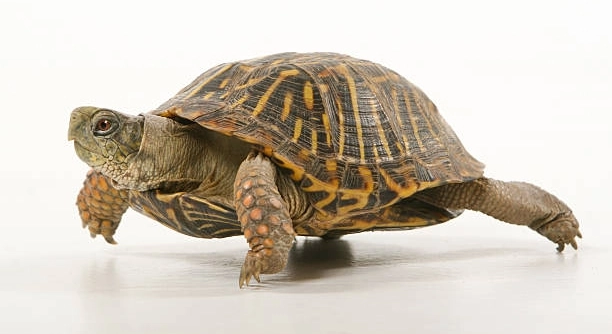
Minor wounds on box turtles can occur for various reasons, from accidental bumps to environmental hazards. It’s important to address these injuries properly to ensure your turtle’s well-being and prevent complications.
To treat minor wounds in box turtles, clean the injury with mild saline solution, apply antiseptic ointment, and ensure the turtle is in a clean, safe environment. Monitor for signs of infection and keep the wound dry.
Learning how to care for a wounded turtle can help prevent unnecessary harm and discomfort for your pet. With a few basic steps, you can keep your turtle healthy and help it heal quickly.
Common Causes of Minor Wounds in Box Turtles
Box turtles can get minor wounds from a variety of sources, including rough terrain, sharp objects, or even fights with other animals. It’s easy for them to scrape their shells or get minor cuts from rocks, sticks, or even other turtles. Turtles are naturally curious and will explore their environments, which often leads to accidents. If they are housed with other animals, especially larger turtles, they might sustain bites or scratches. Sharp objects in their enclosures, like broken pieces of wood or metal, can also cause harm. As a pet owner, it’s important to keep an eye on your turtle’s habitat and remove any potential hazards.
Keeping their living space safe is the first step in preventing injuries. Avoid sharp objects or jagged rocks in their environment. If possible, choose smoother surfaces for their enclosure to reduce the risk of cuts. Make sure your turtle has access to enough space so that it doesn’t feel cornered or stressed by other animals.
By understanding the common causes of minor wounds, you can take preventative steps. Regularly check their enclosure to ensure it is free from anything that could harm your turtle. Avoid overcrowding with other turtles to reduce the likelihood of fighting. When you notice a wound, tend to it quickly to prevent it from worsening.
How to Clean a Minor Wound on a Box Turtle
Cleaning a minor wound on a box turtle is essential to prevent infection. Gently rinse the area with a mild saline solution, making sure not to scrub too hard, as you don’t want to irritate the injury further. Using a soft cloth or cotton ball, dab away any debris or dirt from the wound.
Once the area is clean, you can apply a gentle antiseptic ointment to promote healing. Avoid using strong chemicals or creams designed for humans, as these can cause irritation to the turtle’s sensitive skin. It’s important to keep the wound dry to avoid any moisture buildup, which could lead to infection.
Monitor the wound over the next few days for any signs of infection. If you notice swelling, redness, or pus, take your turtle to a vet immediately. Proper care in the early stages is crucial for a quick recovery.
Creating a Safe Environment for Your Turtle
A safe environment is vital for your box turtle’s health and protection. First, make sure the enclosure is large enough for your turtle to roam freely. Lack of space can lead to stress, which may cause more frequent accidents.
Keep the habitat clean, as a dirty environment can expose your turtle to bacteria that might lead to infections. Use a substrate that is comfortable but safe, avoiding any sharp items like broken glass or rocks that could cause injury. Ensure the lighting and temperature are ideal for your turtle’s health.
Consider adding soft hiding places or logs to their habitat to give them shelter and reduce stress. By managing their environment, you’ll significantly lower the risk of injuries and help your turtle feel secure.
When to Seek Professional Help
While minor wounds can often be treated at home, there are times when it’s best to seek professional help. If the wound appears deep, bleeding continuously, or shows signs of infection that you can’t treat, it’s time to visit the vet. A vet will have the proper tools and knowledge to treat more serious injuries.
In addition to physical injuries, box turtles are also susceptible to health issues related to their shells. If you notice your turtle’s shell is cracked or damaged in any way, you should seek a vet’s advice immediately. Shell injuries can be serious and may require specialized treatment.
Your turtle’s health is important, and in some cases, a vet visit will help ensure your pet gets the care it needs for full recovery. If you’re unsure about the severity of the wound, it’s always better to be cautious and have a professional look at it.
Precautions to Take When Treating Minor Wounds
When treating minor wounds, always have clean hands or gloves on to prevent any further contamination. Make sure you’re using gentle materials like soft cotton or cloth to avoid irritating the wound. Never use harsh chemicals that can cause harm to your turtle’s delicate skin.
After cleaning the wound, allow your turtle to rest in a quiet and secure area, away from other animals. This helps prevent further injury and gives your turtle a chance to heal undisturbed. Ensure the environment is warm enough to encourage proper healing but not too hot to cause stress. Proper conditions can aid in faster recovery.
Regularly check the wound to monitor its progress. If the wound appears to be healing well, you can continue to provide care without concern. However, if the wound worsens, take your turtle to a vet right away to ensure no serious complications arise.
The Role of Nutrition in Healing
Proper nutrition plays a key role in helping your turtle heal. Ensure your turtle is receiving a balanced diet that includes vitamins and minerals to boost its immune system. A healthy immune system helps fight off infections and promotes quicker recovery from injuries.
Feeding your turtle high-quality food, such as leafy greens, fruits, and protein, will support the healing process. Avoid overfeeding or offering unhealthy treats that may not provide the necessary nutrients. By maintaining a healthy diet, you ensure your turtle’s body has the resources it needs to heal properly and remain strong.
Additionally, make sure your turtle has access to clean water at all times. Dehydration can slow the healing process, so water should be fresh and available to your turtle at all hours. Healthy hydration is just as important as food in supporting your turtle’s recovery.
Signs of Infection to Watch For
Signs of infection include redness, swelling, or discharge coming from the wound. If the area becomes warm to the touch or starts to smell foul, it may indicate an infection. Watch for any changes in your turtle’s behavior, as lethargy or a lack of appetite can also be signs of infection.
If you notice these signs, it’s important to act quickly. Clean the wound again with a saline solution and apply antiseptic. If the symptoms persist or worsen, take your turtle to a vet immediately for further treatment. Infections can lead to more serious health issues if left untreated.
How to Prevent Future Injuries
To prevent future injuries, ensure your turtle’s environment is safe and free from sharp objects or hazards. Check the enclosure regularly for any potential risks like broken decorations or rough surfaces. If your turtle lives with other animals, monitor interactions to avoid fights or accidental harm.
Additionally, avoid overcrowding the enclosure with too many turtles, as this can cause stress and lead to territorial disputes. A calm, spacious habitat reduces the likelihood of injuries. A balanced diet and proper care will also help your turtle maintain strong health and minimize the chances of injury.
When to Separate Turtles
If you notice frequent injuries between your turtles, it may be time to separate them. Box turtles can become territorial, especially when they feel crowded or stressed. By giving them their own space, you can prevent conflicts and ensure each turtle has enough room to feel secure and comfortable.
When separating turtles, make sure each one has its own hiding spots, food, and water. This helps avoid further stress and promotes better health for all the turtles involved. A separate environment will allow your turtles to live peacefully without constant fighting or injury.
FAQ
What should I do if my turtle’s wound doesn’t heal?
If the wound doesn’t seem to heal after a few days, it might be infected or more serious than initially thought. Make sure to clean it properly, applying antiseptic if necessary. If there are no signs of improvement or if the wound worsens (increased swelling, pus, or redness), consult a vet. The vet can assess whether the injury needs professional treatment like stitches or medication for infection. Don’t wait too long, as untreated wounds can lead to complications.
How can I tell if my turtle is in pain?
Turtles don’t express pain like humans or other animals, but there are a few signs you can watch for. If your turtle becomes unusually lethargic, refuses to eat, or avoids moving, it could be in pain. A sudden change in behavior, such as hiding more often or not engaging with its environment, may also indicate discomfort. If you notice these behaviors, carefully inspect the wound and look for signs of infection. If symptoms persist, consider visiting a vet.
Can I use human antiseptic ointment on my turtle’s wound?
No, it’s best not to use human antiseptic ointments on turtles, as some ingredients can be harmful to them. Human products may contain alcohol, which can irritate the wound and dry out the skin. Instead, use an antiseptic designed for reptiles, or a saline solution to clean the wound. Always consult your vet if you’re unsure about what products to use.
How long does it take for a box turtle’s wound to heal?
The healing time can vary depending on the severity of the wound, the care it receives, and the turtle’s overall health. Minor wounds may take anywhere from a few days to a couple of weeks to heal. However, deeper or more severe wounds may require longer recovery times and professional treatment. Keeping the wound clean and providing a stress-free environment will help speed up the healing process.
Is it okay to put my turtle back in the enclosure after treatment?
Yes, but make sure the environment is clean and safe for your turtle. If the wound is still fresh, place your turtle in a separate, safe space where it won’t be exposed to other animals that could cause further injury. Keep the area dry and free of debris. A calm, clean environment helps prevent infection and encourages faster healing. Only return your turtle to the main enclosure once the wound is healing well and no signs of infection are present.
Can box turtles get sick from their wounds?
Yes, if a wound becomes infected, it can lead to more serious health problems for your box turtle. Infections can spread, potentially affecting the turtle’s internal organs or shell. In rare cases, an untreated infection can become life-threatening. Always monitor the wound for signs of infection, such as redness, swelling, and discharge. If any of these symptoms appear, take your turtle to the vet for proper treatment.
How do I prevent my turtle from injuring itself in the future?
To prevent future injuries, regularly check your turtle’s enclosure for any sharp objects or hazards, such as broken decorations or rough surfaces. Avoid overcrowding, as turtles can become stressed or aggressive when they don’t have enough space. If your turtle lives with other turtles, make sure they have enough room and hiding spots to avoid fights. Ensure the environment is clean, with safe items for climbing and resting, and provide proper lighting and temperature for their health.
Should I apply any ointments or creams to my turtle’s wound?
Only use ointments or creams designed for reptiles, as some products may cause irritation. Antiseptic ointments specifically made for turtles can be helpful for cleaning and protecting the wound from infection. Avoid using any products that aren’t specifically intended for reptiles, as they may harm your turtle. Always consult your vet if you’re uncertain about the right treatment for the wound.
Is it safe to bathe my turtle after an injury?
You can bathe your turtle, but be careful not to get the wound wet. Bathing helps keep your turtle clean, but avoid direct contact with the wound to prevent infection. If the wound is on the turtle’s shell, you can gently wipe the area with a damp cloth instead of soaking it in water. Keeping the wound dry is crucial for proper healing.
How can I tell if my turtle’s shell is injured?
If your turtle’s shell is cracked or damaged, you may notice visible cracks, chips, or missing pieces. The shell may also look swollen or feel soft to the touch. If the shell appears damaged, it’s essential to seek immediate veterinary attention. Shell injuries can lead to infections and other complications, so it’s important to address them quickly.
Final Thoughts
Caring for a box turtle requires attention to detail, especially when it comes to treating injuries. While minor wounds are common, it’s crucial to act quickly to prevent them from becoming serious. Taking the right steps to clean and protect the wound can make a big difference in your turtle’s recovery. Keeping their environment clean and safe, providing proper nutrition, and watching for signs of infection are all key factors in ensuring a smooth healing process.
A turtle’s shell is an important part of its health and protection, and any injuries to it should not be taken lightly. If your turtle experiences a deeper wound or one that doesn’t seem to heal, seeking professional help is always the best course of action. Turtles can’t communicate their pain, so it’s up to you to monitor them carefully and act when needed. The faster you address any issues, the better the outcome for your pet.
Finally, while caring for a box turtle can require some effort, it’s incredibly rewarding to see them healthy and happy. A little extra care and attention go a long way in making sure they live a long, comfortable life. By following simple precautions, maintaining a safe habitat, and seeking veterinary advice when needed, you can help your turtle recover from injuries and live a stress-free life.

Hello,
If you enjoy the content that we create, please consider saying a "Thank You!" by leaving a tip.
Every little bit helps us continue crafting quality advice that supports the health, happiness, and well-being of pets around the world, for pets of all shapes, sizes, and species.
We really appreciate the kindness and support that you show us!