
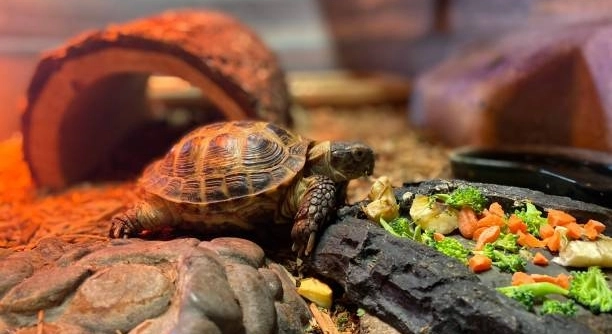
Do your box turtles have swollen, cloudy, or irritated eyes? Eye issues are common in box turtles and can cause serious health problems if left untreated.
Treating eye issues in box turtles involves addressing the underlying cause, which may include infections, poor diet, or improper habitat conditions. Prompt veterinary care, combined with proper husbandry adjustments, ensures their health and comfort.
Understanding the causes of these eye problems will help you care for your box turtle better and prevent future issues. Let’s explore what might be affecting your pet and how you can help them recover.
7 Common Causes of Eye Issues in Box Turtles
Eye issues in box turtles often result from poor husbandry, nutritional deficiencies, or infections. Ensuring a clean environment, balanced diet, and proper hydration is key to preventing these problems. Turtles with untreated eye conditions may experience pain and long-term health complications. Recognizing these causes early can help improve your turtle’s quality of life.
Poor water quality, vitamin A deficiency, and respiratory infections are among the top reasons box turtles develop eye problems. Dirty environments lead to bacterial growth, while a lack of vitamin A weakens their immune system. Additionally, respiratory infections often affect the eyes, causing swelling and discharge.
Addressing the root cause involves maintaining a clean habitat, feeding a varied diet with leafy greens and colorful vegetables, and consulting a vet for persistent issues. These steps ensure your turtle stays healthy and avoids recurring eye problems.
How to Treat Eye Issues in Box Turtles
When your box turtle shows signs of eye trouble, start by cleaning its environment. Replace dirty water, scrub enclosures, and remove waste. Maintaining hygiene reduces irritation and lowers the risk of infections.
Treatment depends on the specific cause. For vitamin A deficiencies, a vet may recommend supplements or injections. Respiratory infections often require antibiotics. In cases of debris irritation, rinse the eyes gently with a saline solution. Always consult a veterinarian for accurate diagnosis and treatment.
Proper lighting, humidity, and diet are also essential in preventing future eye problems. Using UVB lights, ensuring humidity stays between 60-80%, and feeding vitamin-rich foods like carrots, squash, and dark leafy greens all support your turtle’s overall health. Regular checkups can catch issues before they escalate.
Symptoms of Eye Issues in Box Turtles
Swollen eyes, redness, and discharge are common symptoms of eye problems in box turtles. They may also rub their eyes frequently, keep them closed, or show signs of lethargy and reduced appetite due to discomfort.
Swelling and redness often indicate irritation or infection, which could stem from environmental factors like poor hygiene or inadequate humidity levels. Discharge might suggest a bacterial or viral infection. If your turtle is keeping its eyes closed for extended periods, it may be experiencing pain or difficulty seeing, potentially caused by vitamin deficiencies or debris stuck in the eye.
Lethargy and a lack of appetite can accompany eye issues because these symptoms may be tied to larger health problems, like respiratory infections. Observing your turtle’s overall behavior, alongside eye-specific symptoms, can help you determine the severity and potential cause of the problem.
Preventing Eye Problems in Box Turtles
Maintaining a clean habitat is the most effective way to prevent eye issues. Regularly replace bedding, clean water sources, and remove uneaten food or waste. These practices reduce bacterial growth and keep your turtle’s environment healthy and safe.
Proper diet is also essential. Offer a mix of dark leafy greens, orange vegetables like carrots, and high-protein options such as insects. This ensures your turtle gets the vitamins and minerals necessary for strong immune health. Use UVB lighting to help with vitamin D synthesis, supporting overall wellbeing.
Check humidity levels in the enclosure, keeping them between 60-80%. Low humidity can dry out your turtle’s eyes, while overly damp conditions encourage bacterial growth. These simple steps help create an environment where your box turtle can thrive.
Treating Vitamin A Deficiency
Vitamin A deficiency in box turtles is often treated with supplements or injections prescribed by a vet. Adding vitamin-rich foods like carrots, sweet potatoes, and leafy greens to their diet can also help correct the imbalance over time.
In severe cases, your vet may recommend more frequent supplements or specially formulated diets to address the deficiency. Regularly monitoring your turtle’s response to dietary changes ensures that they’re absorbing enough nutrients to support their overall health and prevent recurring eye issues.
Addressing Infections
Bacterial or fungal infections often require antibiotics or antifungal medications prescribed by a vet. Prompt treatment prevents the infection from worsening or spreading to other parts of the body.
Environmental Adjustments
Ensuring proper humidity and UVB lighting in your turtle’s habitat supports their eye health. These adjustments also promote overall wellbeing, reducing the risk of recurring problems.
FAQ
What are the most common causes of eye problems in box turtles?
Eye issues in box turtles can arise from several factors, such as poor water quality, inadequate diet, or improper humidity levels. Common causes include vitamin A deficiency, bacterial or fungal infections, respiratory issues, or debris trapped in the eyes. Each cause requires different treatments, so identifying the root cause is crucial for proper care.
How can I tell if my box turtle has an eye infection?
Signs of an eye infection in box turtles include swollen, cloudy, or red eyes, discharge, and excessive eye rubbing. If your turtle is keeping its eyes closed, it might be experiencing pain or irritation. It’s essential to address these symptoms promptly by consulting a veterinarian, as untreated infections can lead to more serious complications.
What should I feed my box turtle to prevent eye problems?
A diet rich in vitamin A is essential to prevent eye problems in box turtles. Include foods such as carrots, sweet potatoes, kale, and collard greens in their meals. These vegetables are high in beta-carotene, which is converted to vitamin A. A balanced diet with a variety of leafy greens and occasional protein sources, like insects or worms, will also support overall health.
Can poor humidity cause eye issues in box turtles?
Yes, poor humidity can contribute to eye problems. If the humidity is too low, it can dry out your turtle’s eyes, leading to irritation and discomfort. On the other hand, excessive humidity can create an environment conducive to bacterial or fungal infections. Aim for humidity levels between 60-80% to ensure a healthy habitat for your box turtle.
Is it normal for box turtles to have cloudy eyes?
Cloudy eyes in box turtles can indicate several things, including an eye infection, a vitamin A deficiency, or a sign of dehydration. If the cloudiness persists or is accompanied by other symptoms like swelling or discharge, it’s important to consult a vet. Cloudiness may sometimes clear up with proper care, but it’s better to rule out underlying issues early on.
What can I do to treat my turtle’s eye infection at home?
While it’s always best to consult a vet for proper diagnosis and treatment, you can start by keeping the turtle’s habitat clean and removing any waste or uneaten food. You can also rinse the eyes with a saline solution to clear away debris and reduce irritation. However, any infection that does not improve quickly or worsens should be treated with antibiotics prescribed by a vet.
How often should I clean my box turtle’s enclosure to prevent eye problems?
Regular cleaning is essential to prevent eye issues caused by bacteria or poor water quality. Ideally, clean the water daily and replace any soiled bedding. You should also thoroughly clean the entire enclosure, including decorations, once a week. Maintaining a clean environment helps reduce the risk of infections that can affect your turtle’s eyes.
Can stress cause eye problems in box turtles?
Yes, stress can contribute to health issues, including eye problems. Stress may weaken your turtle’s immune system, making it more susceptible to infections. Stressors can include an overcrowded habitat, improper temperatures, loud noises, or handling your turtle too frequently. Ensuring your turtle has a peaceful environment can help prevent health problems.
Is there a way to prevent my box turtle from getting vitamin A deficiency?
Preventing vitamin A deficiency in box turtles is as simple as offering a varied, vitamin-rich diet. Provide a range of orange and green vegetables, like carrots, sweet potatoes, kale, and collard greens. If necessary, consult a vet about adding a vitamin A supplement to their diet. Consistent, balanced nutrition will reduce the risk of deficiency and associated eye problems.
How do I know if my box turtle’s eye issues are related to their diet?
If your turtle’s eye problems are caused by diet, you may notice symptoms like swollen or cloudy eyes, along with other signs of poor health such as lethargy and weight loss. Vitamin A deficiency is one of the most common diet-related causes. A varied diet with proper nutritional balance should help resolve these issues. If symptoms persist despite diet changes, consult a vet to rule out other causes.
When should I take my box turtle to the vet for eye problems?
If your turtle’s eye problems don’t improve within a few days, or if symptoms worsen, it’s time to visit a vet. Persistent swelling, discharge, and cloudy eyes require professional attention. Additionally, if your turtle’s behavior changes, such as refusing to eat or becoming overly lethargic, these are red flags that need veterinary care.
How long does it take for a box turtle’s eye problems to heal?
The healing time for eye problems in box turtles depends on the cause. In cases of minor irritation or a slight vitamin A deficiency, improvement can be seen within a few days to a week with proper care. However, infections or more severe health issues may take longer to heal, especially if antibiotics or other treatments are required. Patience and consistency with care are key to a full recovery.
Can I use over-the-counter eye drops for my turtle’s eye problems?
It’s best to avoid using over-the-counter human eye drops on your turtle without consulting a vet. These products are often formulated for humans and may not be safe for reptiles. If your turtle’s eyes appear irritated or infected, it’s important to seek professional guidance before applying any treatments.
Taking care of a box turtle’s eye health is an important part of their overall well-being. Many eye problems in turtles can be prevented or treated with the right approach to their habitat, diet, and overall care. By providing a clean and well-maintained environment, feeding a balanced diet with plenty of vitamin A, and ensuring proper humidity and lighting, you can help your turtle avoid most eye issues. Early detection is key, as many eye problems are easier to treat when caught early.
If your turtle does develop an eye problem, don’t ignore the symptoms. Swollen eyes, discharge, cloudiness, or excessive rubbing should be addressed as soon as possible. In some cases, these issues might be related to a simple dietary imbalance, but they could also indicate a more serious infection or other underlying health concerns. If home remedies like cleaning the eyes with saline solution or adjusting their diet don’t improve the situation, it’s essential to consult a vet. A veterinarian experienced in reptile care can accurately diagnose and provide the proper treatment to get your turtle back to health.
Ultimately, ensuring that your box turtle stays healthy requires ongoing attention and care. Regularly check their living conditions, provide the right nutrition, and be mindful of any changes in their behavior or appearance. Preventing and treating eye issues is just one aspect of caring for your turtle, but it’s an important one. With the right approach, you can help your turtle live a long, happy life free from painful or serious eye problems. Keep a watchful eye on their health, and don’t hesitate to seek professional help when needed.

Hello,
If you enjoy the content that we create, please consider saying a "Thank You!" by leaving a tip.
Every little bit helps us continue crafting quality advice that supports the health, happiness, and well-being of pets around the world, for pets of all shapes, sizes, and species.
We really appreciate the kindness and support that you show us!