
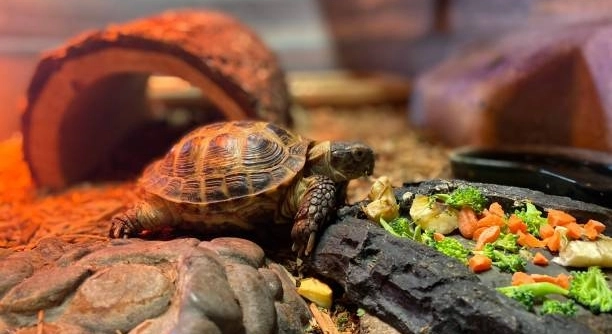
Adding plants to your box turtle habitat can create a more natural and comfortable environment. However, choosing the right plants that are low-maintenance is essential for both you and your turtle.
The best low-maintenance plants for box turtle habitats are hardy, require minimal care, and are safe for the turtles. These plants provide shelter, humidity, and even food without frequent maintenance or worry about harmful effects on your pet.
With a variety of options available, these plants can contribute to a thriving, easy-to-care-for environment. Keep reading to discover the best options for your turtle’s home.
Plants That Thrive in Turtle Habitats
Some plants are naturally more suited for turtle habitats, offering shelter and natural food sources. For box turtles, it’s important to choose plants that can survive the moisture and humidity common in their environments. Plants like ferns, moss, and clover work well because they can tolerate damp conditions and don’t need much sunlight to grow. Ferns are especially beneficial as they can grow well in shaded areas and help maintain the humidity levels in the habitat.
The best part is that these plants don’t require constant attention. They grow naturally and can be left to thrive with minimal care, making them an excellent addition to any box turtle’s home.
Ferns, clover, and moss are all low-maintenance options for box turtles. They add to the environment while keeping care to a minimum. These plants are also safe for turtles to interact with and don’t require constant pruning or trimming.
Choosing Non-toxic Plants
When adding plants to a box turtle habitat, safety is a top priority. Some plants may look appealing but can be harmful to your turtle. Always choose non-toxic plants to ensure your turtle remains healthy and safe. Non-toxic plants such as dandelions, plantain, and pansies are great choices. These plants are easy to maintain and provide a safe environment for your pet.
Turtles can sometimes be curious about their surroundings and may nibble on the plants in their habitat. Having non-toxic options ensures there are no risks involved. This allows your turtle to interact freely with its environment. It also helps maintain the natural balance of the habitat while ensuring that any plants they nibble on are completely safe. Always check if a plant is toxic before adding it to the tank. Even a small exposure to a harmful plant can cause major health issues for your turtle.
Easy-to-Grow Ground Cover Plants
Ground cover plants are excellent for creating a natural environment for your turtle. They spread easily and don’t require much care. Plants like creeping thyme and oregano are perfect for this. These plants help maintain the humidity in the habitat while also providing a comfortable, soft floor for your turtle to walk on.
Ground cover plants like creeping thyme, oregano, and ivy are low-maintenance options that can grow quickly. These plants create a cozy and safe environment for box turtles to explore. They help maintain the necessary humidity levels and can even be eaten by the turtles. Creeping thyme, for instance, is hardy and able to thrive under various conditions.
Using these ground cover plants in a turtle habitat helps minimize the need for frequent cleaning, as they prevent the growth of algae and excess mold. They can withstand damp conditions and don’t need constant trimming. Box turtles often seek refuge under ground covers, giving them both a natural environment and a sense of security.
Edible Plants for Box Turtles
Edible plants in your turtle habitat can provide both nutrition and entertainment. Plants like dandelion greens, clover, and hibiscus are safe and beneficial. They can serve as a treat for your box turtle, adding variety to their diet. Plus, these plants are easy to grow and don’t require much attention.
These edible plants are not only safe but also nutritious. Dandelion greens, for example, are rich in vitamins A and C. This makes them an excellent choice for promoting your turtle’s health. Clover is another good option, offering a simple and tasty snack that is packed with nutrients. Hibiscus adds variety to the diet while also contributing a beautiful splash of color to the habitat.
Low-Light Plants for Box Turtles
Box turtles often enjoy a shaded environment, so choosing low-light plants is essential. Plants like pothos, peace lilies, and snake plants do well in these conditions. They thrive without direct sunlight and are easy to maintain. These plants help create a natural, comfortable space for your turtle to explore.
Low-light plants also benefit your turtle’s habitat by adding a touch of greenery and texture. Pothos, for example, is a hardy plant that grows well even with limited light. Peace lilies are another great option, with their lush green leaves adding beauty and improving the air quality. Snake plants are another low-maintenance choice, known for their ability to survive with little light.
Plants That Provide Shelter
Shelter is vital for box turtles, and certain plants can create hiding spots for them. Plants like bamboo and large ferns provide excellent coverage. These plants are easy to grow and require little upkeep. They allow turtles to retreat to a safe, shaded area when they need privacy.
Bamboo, with its tall, dense stalks, makes a perfect hiding spot for box turtles. Ferns, especially those with broad fronds, can provide additional coverage. These plants mimic the natural environment of box turtles, offering them a secure space to rest. The shelter plants not only help your turtle feel safe but also contribute to a more visually appealing habitat.
Low-Water Plants
Low-water plants are ideal for box turtle habitats where water usage needs to be controlled. Succulents like jade and aloe vera are perfect options. They don’t require a lot of water to thrive, making them an excellent addition to dry areas of the habitat. These plants are also simple to care for and resistant to overwatering.
FAQ
What are the best plants for box turtle habitats?
The best plants for box turtle habitats are hardy, easy to grow, and non-toxic. Ferns, moss, clover, and creeping thyme work well. They help maintain humidity, provide natural food sources, and create a comfortable environment for your turtle. Always ensure the plants are safe for your turtle to nibble on.
Can I use houseplants in my turtle’s habitat?
Some houseplants can be used in a turtle habitat, but you must be careful about their toxicity. Plants like pothos, peace lilies, and snake plants can be harmful to box turtles. It’s better to stick with plants that are safe, such as dandelions, clover, and bamboo, which are non-toxic and safe for your pet.
How do I choose plants for a box turtle habitat?
When choosing plants, consider the lighting, humidity, and the turtle’s dietary needs. Opt for low-maintenance, non-toxic plants that thrive in the same conditions as your turtle. For example, ferns and moss are ideal for maintaining humidity, while dandelions and clover provide natural food sources.
How often do I need to water the plants?
Watering needs depend on the plants in your turtle’s habitat. Low-water plants like succulents require little attention, while mosses and ferns thrive in moist conditions. A good rule of thumb is to water them regularly, but always check the soil’s moisture before watering. Avoid overwatering to prevent mold growth.
Can box turtles eat the plants in their habitat?
Yes, box turtles can safely eat many plants in their habitat. Plants like dandelion greens, clover, and hibiscus are safe for them. These edible plants can serve as both food and enrichment for your turtle. Just make sure the plants you choose are non-toxic and free of pesticides.
How do I prevent mold growth in the plants?
Mold growth can occur if the habitat becomes too damp. Ensure your turtle’s habitat has proper ventilation and that plants don’t stay too wet for extended periods. Consider using air plants or succulents if mold is a concern, as they require less moisture. Regularly inspect the plants for mold and remove any affected areas.
Are there any plants that should be avoided in a box turtle habitat?
Yes, there are several plants that should be avoided, such as ivy, azaleas, and rhododendrons, as they can be toxic to turtles. Always research plants before introducing them to ensure they are safe. If you’re unsure, stick to plants like clover, ferns, and hibiscus, which are known to be safe for box turtles.
How can I create a natural environment for my turtle using plants?
To create a natural environment, use a variety of plants that offer both shelter and food. Plant a mix of ground covers, like creeping thyme, and taller plants, such as ferns or bamboo. This will help your turtle feel secure and mimic the natural conditions found in the wild.
Should I use artificial plants in my turtle’s habitat?
While artificial plants may look attractive, they don’t offer the same benefits as real plants. Real plants help with humidity, food, and shelter, while artificial plants provide no such advantages. If you do use artificial plants, ensure they don’t contain any harmful materials, such as plastic or toxic dyes.
How can I maintain the plants in my turtle’s habitat?
Maintaining plants in a turtle habitat involves regular watering, trimming, and checking for pests. Make sure the plants have adequate light and humidity, and be mindful of the turtle’s activity, as it may trample or nibble on the plants. Keep the habitat clean by removing any dead plant material to prevent mold and bacteria.
Can box turtles live with plants in their habitat long-term?
Yes, box turtles can live with plants in their habitat long-term, provided the plants are well-maintained and safe for the turtle. Plants offer both environmental enrichment and health benefits, such as improving humidity levels and providing natural food sources. Regular care of the plants will keep the habitat thriving for your turtle.
How do I select plants that won’t harm my turtle?
To select safe plants, research their toxicity levels. Non-toxic plants such as dandelions, hibiscus, and clover are ideal for box turtles. Avoid plants that are known to be harmful, such as azaleas or lilies. If you’re unsure about a plant’s safety, always double-check before adding it to the habitat.
Final Thoughts
Choosing the right plants for a box turtle habitat is an important step in creating a comfortable and safe environment. The plants you select should provide both shelter and enrichment while being non-toxic. It’s essential to consider your turtle’s needs, including the right humidity levels, light conditions, and food sources. By opting for plants that are easy to maintain and turtle-friendly, you can ensure that both your turtle and the plants thrive in their shared space. This not only enhances the turtle’s environment but also promotes its well-being.
While many plants can be used in a turtle habitat, it’s vital to research each one thoroughly before introducing it. Some plants are toxic to turtles, so it’s best to stick to safe options like clover, ferns, and dandelions. Non-toxic plants provide both food and shelter, giving your turtle the opportunity to graze and hide, just like they would in their natural environment. Creating a habitat that reflects their natural surroundings can help reduce stress and increase the overall quality of life for your pet. The right plants can also improve the habitat’s aesthetics, making it more visually appealing for both you and your turtle.
Maintaining the plants in your turtle’s habitat requires some attention but isn’t difficult. Regular watering, occasional trimming, and keeping an eye out for pests or mold can keep the plants healthy and safe. It’s also important to ensure proper ventilation to avoid excess moisture. Plants in your turtle’s habitat can offer lasting benefits, from improving the air quality to providing a more natural and stimulating environment for your pet. With the right care, your box turtle’s habitat can become a thriving, beautiful space that both you and your turtle will enjoy.

Hello,
If you enjoy the content that we create, please consider saying a "Thank You!" by leaving a tip.
Every little bit helps us continue crafting quality advice that supports the health, happiness, and well-being of pets around the world, for pets of all shapes, sizes, and species.
We really appreciate the kindness and support that you show us!