
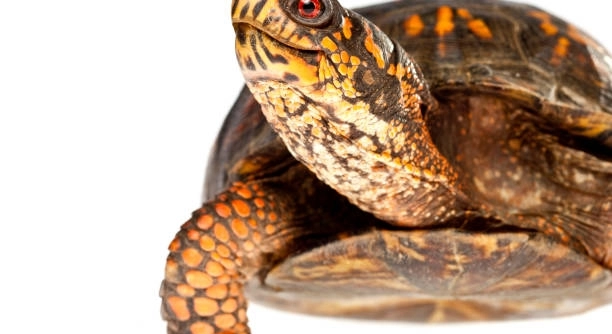
Transitioning a box turtle from its tank to an outdoor habitat is a rewarding process. It provides a more natural environment that supports their well-being. Proper steps ensure they thrive in their new outdoor space.
The first step in transitioning a box turtle is preparing the outdoor habitat. Ensure it has proper shelter, humidity, and access to water. Gradually introduce your turtle to the outdoor space to reduce stress and allow time for adjustment.
This process ensures a smooth transition, improving your turtle’s quality of life.
Preparing the Outdoor Habitat
Creating a safe, secure environment is crucial for your box turtle’s transition. The outdoor habitat should be large enough to allow free movement. Include natural elements like soil, plants, and rocks to mimic its natural environment. Make sure the area has a sheltered spot for shade and warmth. A proper enclosure with a secure lid is necessary to protect your turtle from predators. Include a shallow water dish or pond where the turtle can soak and hydrate. Overhanging plants or bushes can also help provide protection from weather extremes.
Start by selecting a suitable location that is quiet and away from high foot traffic. Ensure the soil is well-draining to prevent pooling water. It’s essential that the enclosure remains secure to prevent your turtle from escaping. The habitat should also be easily accessible for feeding and observation. By creating a comfortable and safe space, you ensure your turtle’s long-term well-being.
Investing time into making the outdoor habitat ideal for your turtle’s needs ensures its comfort and health. Regular checks will help maintain these conditions.
Gradually Acclimating Your Box Turtle
Once the habitat is ready, it’s important to introduce your box turtle slowly. Place it in the outdoor space for short periods, gradually increasing the time it spends outside. This reduces the risk of overwhelming your turtle with its new environment. Keep an eye on its behavior to check for signs of stress.
Box turtles are naturally cautious creatures. When first introduced to an outdoor space, they might feel disoriented or nervous. Offering food near the shelter and water sources can encourage exploration. It’s also helpful to check the habitat daily for any environmental changes that may affect your turtle. Watch for extreme temperatures or heavy rains that could cause stress. Over time, your box turtle will become accustomed to its new surroundings.
The process requires patience, but providing a comfortable and secure outdoor habitat will help your turtle thrive long-term.
Providing Proper Nutrition
Ensure your box turtle receives a balanced diet. Offer a mix of leafy greens, fruits, and occasional protein sources such as insects or worms. Fresh water should be available at all times. Avoid feeding them lettuce with low nutritional value. Research safe foods and avoid toxic plants to ensure proper health.
When transitioning outdoors, it’s important to offer a steady supply of food for your turtle to forage on. Adding natural sources like fallen leaves or grass may encourage natural foraging behaviors. Make sure to also supplement with store-bought foods like turtle pellets or cut-up vegetables. Monitor their food intake regularly to ensure a healthy diet.
Overfeeding should be avoided. Box turtles are opportunistic eaters and may overeat if food is abundant. Offering food every other day or once a day is ideal, depending on their age and size. Always remove uneaten food to prevent contamination.
Ensuring the Right Temperature
The outdoor habitat must provide access to both warm and cool areas. Box turtles need sunlight for warmth but also need a shaded area to cool down. The temperature should range between 75°F and 85°F during the day.
To maintain the correct temperature, make sure there is a basking spot with direct sunlight. Turtles require UVB exposure for proper shell growth and overall health. Using a heat lamp in the colder months can help regulate temperature in cooler climates. Always check the weather forecast and ensure the turtle’s enclosure remains within the proper temperature range.
In cooler climates, be mindful of sudden temperature drops that may cause stress. If necessary, bring the turtle back indoors during colder nights or harsh weather. It’s essential to protect your turtle from extreme heat or cold to maintain a healthy environment.
Protecting From Predators
Your box turtle’s outdoor habitat should be secure to protect it from predators. Ensure the enclosure has a solid fence or mesh to prevent access by animals such as raccoons, foxes, or stray pets. Regularly check for weak spots.
To further safeguard your turtle, place the enclosure in an area with minimal foot traffic or wildlife. Adding a lid or cover can also help prevent aerial threats like birds. Regular checks and maintenance of the enclosure’s security will provide peace of mind and ensure your turtle remains safe from harm.
Providing Shelter
Create a sheltered space for your turtle to retreat. This can be a small wooden box or a shaded area beneath plants. It’s important that your turtle has access to a place where it can hide from harsh weather or feel secure.
Shelter can protect your turtle from rain, excessive sunlight, or strong winds. It should also provide a comfortable, dry place to rest. The shelter should be easily accessible for the turtle to retreat when it feels the need to hide. This ensures your turtle can relax without stress.
Maintaining Cleanliness
Keep the habitat clean by regularly removing waste, uneaten food, and debris. Dirty enclosures can lead to health issues for your box turtle. Clean the water dish daily and change the water regularly to prevent contamination.
Cleaning the outdoor habitat ensures your turtle stays healthy and stress-free. Be sure to also monitor the soil for any stagnant water or mold. Regularly rake or turn the soil to maintain good airflow and prevent it from becoming too compact. A clean environment supports the overall well-being of your turtle.
FAQ
How long does it take for a box turtle to adjust to an outdoor habitat?
The adjustment period for a box turtle can vary, but it typically takes around 1 to 2 weeks. During this time, the turtle will gradually become familiar with its new environment. Be patient and ensure the habitat is safe and comfortable to help ease the transition.
Can I leave my box turtle outside during the winter?
No, box turtles should not be left outside in freezing temperatures. They are not well-suited to survive the winter outdoors in colder climates. Before temperatures drop, bring the turtle indoors or provide a heated outdoor space to keep it safe from the cold.
What should I do if my box turtle escapes?
If your box turtle escapes, start by searching the immediate area around its habitat. Box turtles tend to stay close to familiar places. Check under bushes, around rocks, or inside cracks in fences. You can also place food outside to encourage the turtle to return to its enclosure.
How often should I feed my box turtle in an outdoor habitat?
Feed your box turtle every other day or once a day, depending on its age and size. Offer a variety of leafy greens, fruits, and occasional protein. Be sure to remove uneaten food to avoid attracting pests and to maintain a clean habitat.
Do box turtles need UVB light outdoors?
Yes, box turtles need UVB light to maintain healthy shells and overall well-being. If they are outside in natural sunlight, they should get sufficient UVB exposure. However, if the turtle is inside during the colder months, make sure to provide a UVB lamp.
How can I prevent my box turtle from becoming dehydrated?
Always ensure fresh water is available. Provide a shallow dish of water for soaking, and check it daily. Box turtles need access to water for drinking and soaking, which helps them stay hydrated. Keeping the humidity level in their habitat stable can also prevent dehydration.
Is it safe to put a box turtle in an unprotected area outdoors?
No, it is not safe. An unprotected area can expose your turtle to predators, extreme weather, and potential escapes. Always make sure to provide a secure, enclosed habitat to protect your box turtle. A well-maintained enclosure ensures the safety and well-being of the turtle.
Can I plant grass or plants in my box turtle’s outdoor habitat?
Yes, planting grass and non-toxic plants can benefit your turtle. They provide natural shelter, shade, and additional food sources. Make sure the plants are safe for consumption and non-toxic to turtles. Avoid using pesticides or chemicals that may harm your turtle.
How can I tell if my box turtle is stressed in its outdoor habitat?
Signs of stress in a box turtle include reduced activity, refusal to eat, hiding more than usual, or excessive pacing. Stress can be caused by environmental factors, such as temperature changes, unfamiliar surroundings, or predators. Make sure the habitat is secure and comfortable.
What should I do if my box turtle isn’t eating?
If your box turtle refuses to eat, check the temperature and humidity levels in the habitat. A lack of food intake can be a sign of stress or discomfort. Ensure that food is fresh and offer a variety of options, such as different types of greens or protein.
Can box turtles live with other turtles outdoors?
It is possible for box turtles to live with other turtles if the habitat is large enough and there are enough resources to avoid competition. However, some turtles may show aggression or territorial behavior. Monitor their interactions closely to ensure they are getting along.
How do I make sure the outdoor habitat stays clean?
Regularly remove waste, uneaten food, and any debris from the habitat. Clean the water dish daily and change the water often to prevent bacteria buildup. Turn or rake the soil occasionally to keep it fresh and avoid stagnant water. Maintaining a clean environment is essential for your turtle’s health.
Do I need to worry about insects in the outdoor habitat?
Insects can be a natural part of your turtle’s diet, but excessive numbers can attract pests or cause problems in the habitat. If there are too many insects, clean the area regularly and check for any breeding sources. Ensure the habitat remains free from unwanted pests like ants or flies.
Can I build my own outdoor habitat for a box turtle?
Yes, you can build a custom outdoor habitat for your box turtle. Make sure it is large enough, secure, and provides the necessary elements for shelter, food, water, and UVB exposure. Use safe materials and check the structure frequently for damage or weaknesses.
How can I prevent my box turtle from becoming too hot in the summer?
Provide shaded areas in the outdoor habitat where your turtle can retreat from the sun. A balance between sunny and shaded spots is important for temperature regulation. You can also mist the habitat with water to increase humidity and offer a cooler environment when needed.
Should I take my box turtle to a vet for a check-up?
Regular vet check-ups are important for your box turtle’s health. It’s especially necessary if you notice signs of illness or unusual behavior. A vet can check for parasites, shell problems, or other health issues. Regular check-ups ensure your turtle stays in optimal health.
What is the best substrate for an outdoor box turtle habitat?
The best substrate for an outdoor habitat is one that mimics natural soil. Use a combination of soil, sand, and leaf litter to provide a suitable texture for digging and burrowing. Ensure the substrate is well-draining to prevent water buildup, which can cause health problems.
Final Thoughts
Transitioning a box turtle from a tank to an outdoor habitat requires careful planning and attention to detail. The right environment plays a crucial role in the turtle’s health and well-being. From creating a secure, predator-proof enclosure to offering proper shelter, every aspect should be designed with the turtle’s natural needs in mind. It is essential to monitor the habitat regularly, making sure it remains safe, clean, and comfortable. Over time, your turtle will adapt to the new environment, becoming more active and content as it enjoys the natural surroundings.
Providing a variety of food, clean water, and opportunities for basking under the sun will help your box turtle thrive outdoors. It is important to maintain the proper humidity levels, especially in hot weather, and to offer a safe, shaded area for your turtle to retreat when needed. As a pet owner, staying observant and making small adjustments will ensure your turtle remains healthy in its outdoor habitat. Consider the potential challenges such as weather, predators, and the turtle’s individual preferences. With proper care, your box turtle can live a long, happy life outdoors, enjoying the freedom of a more natural setting.
Ultimately, the goal is to give your box turtle the best quality of life while keeping it safe and secure. This transition may take time, but the benefits of an outdoor habitat—fresh air, sunlight, and the ability to display natural behaviors—are worth the effort. By staying informed, following best practices, and adapting as needed, you can ensure that your box turtle enjoys a healthy and fulfilling life in its new home.

Hello,
If you enjoy the content that we create, please consider saying a "Thank You!" by leaving a tip.
Every little bit helps us continue crafting quality advice that supports the health, happiness, and well-being of pets around the world, for pets of all shapes, sizes, and species.
We really appreciate the kindness and support that you show us!