
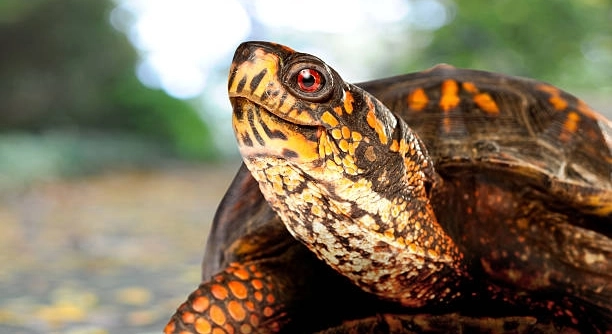
Creating a self-sustaining box turtle enclosure can provide a natural and balanced habitat for your pet while simplifying long-term care. Proper planning ensures your turtle thrives in a space mimicking its natural environment.
To create a self-sustaining enclosure, focus on replicating the box turtle’s ecosystem. Incorporate appropriate plants, substrate, and water features to establish a balanced habitat. This promotes the turtle’s health and reduces the need for constant human intervention.
Learn how to create a thriving, self-sustaining habitat by following these seven practical and straightforward steps.
Step 1: Choose the Right Location
Selecting the perfect location is essential for a self-sustaining enclosure. Choose a spot that receives partial sunlight and shade throughout the day. This balance allows your box turtle to regulate its temperature naturally. A flat or gently sloping area prevents water from pooling, ensuring proper drainage. Consider placing the enclosure near natural barriers like shrubs or walls to protect your turtle from predators. Proximity to a water source also simplifies maintaining hydration levels in the enclosure.
A suitable location ensures your box turtle remains comfortable and healthy while minimizing the need for frequent adjustments. This foundational step sets the stage for a thriving habitat.
The location directly affects the success of your self-sustaining enclosure. Take your time to find a spot that promotes safety, comfort, and a balance between sunlight and shade.
Step 2: Design the Enclosure
Create an enclosure with sturdy, secure walls to prevent escapes and protect your turtle from predators. Walls should be at least 12 inches tall and extend a few inches underground to prevent digging.
Incorporate plants native to your area to mimic a natural ecosystem. Native plants not only provide shade but also attract insects, which can serve as a natural food source for your turtle. Include hiding spots using logs, rocks, or small shelters to help your turtle feel secure.
Add a shallow water feature for drinking and soaking. Ensure it’s easy for your turtle to enter and exit without difficulty. Include a mix of soil, sand, and leaf litter as substrate, as it encourages natural behaviors like burrowing and foraging.
Step 3: Add Proper Substrate
Use a substrate mix that retains moisture while allowing drainage. A combination of organic soil, coconut coir, and leaf litter works well. Avoid using materials like gravel or sand exclusively, as they can cause impaction if ingested.
The substrate should be deep enough to encourage digging and burrowing, which are natural behaviors for box turtles. Aim for a depth of 4-6 inches to provide ample space. Regularly mist the substrate to maintain humidity levels, which are essential for your turtle’s respiratory health.
Adding leaf litter on top of the substrate mimics a natural forest floor and helps retain moisture. This layer also attracts small insects, providing an occasional snack for your turtle and reducing the need for supplemental feedings. Maintain the substrate by replacing soiled or compacted areas regularly.
Step 4: Include Native Plants
Choose plants that are safe and native to your area to recreate a natural habitat. Hardy, shade-tolerant plants like ferns, grasses, and small shrubs are excellent options. Avoid toxic plants like oleander or azaleas.
Native plants provide shade, regulate temperature, and support biodiversity within the enclosure. They attract beneficial insects and create a visually appealing space. Position plants strategically to offer hiding spots and shaded areas. Regular pruning may be needed to prevent overgrowth.
Incorporate edible plants like clover or dandelions, which can serve as supplemental food. Ensure the plants are pesticide-free to keep your turtle safe. Monitor plant growth and replace any damaged or uprooted vegetation promptly to maintain balance within the enclosure.
Step 5: Install a Water Feature
A shallow water dish or small pond is essential for hydration and soaking. The edges should be low enough for easy access. Clean the water regularly to prevent contamination and maintain your turtle’s health.
Ensure the water feature is partially shaded to prevent overheating. Adding smooth rocks or ramps can make entering and exiting easier. Proper placement of the water source encourages natural behaviors like soaking and cooling.
Step 6: Provide Shelter
Shelter is crucial for your box turtle’s comfort and security. Use natural materials like hollow logs, piles of leaves, or small wooden hides. Position shelters in shaded areas for better temperature control.
Step 7: Ensure Secure Fencing
Use sturdy fencing materials like wood or wire mesh. The fence should extend a few inches underground to prevent digging escapes. Regularly inspect the fencing for gaps or weaknesses.
FAQ
How big should a box turtle enclosure be?
The enclosure should be at least 4 feet by 4 feet for a single box turtle. If you have more than one turtle, increase the size to avoid overcrowding. A larger space allows your turtle to explore and exhibit natural behaviors, reducing stress.
What plants are safe for box turtles?
Safe plants include clover, dandelions, ferns, and certain grasses. Avoid toxic plants like oleander, azaleas, and lilies. Incorporating a mix of edible and non-toxic plants creates a natural environment while providing additional food sources. Make sure all plants are free from pesticides or chemicals.
How often should I clean the enclosure?
Spot-clean the enclosure daily to remove waste, leftover food, and debris. Perform a thorough cleaning, including substrate replacement, every 4-6 weeks. Regular maintenance helps prevent mold, bacteria growth, and unpleasant odors, keeping the environment healthy for your turtle.
What temperature does a box turtle enclosure need?
Maintain a temperature range of 70-85°F during the day and no lower than 65°F at night. Provide a basking area with a temperature of 85-90°F using a heat lamp. Temperature regulation is critical for digestion and overall health.
Do box turtles need UVB lighting?
Yes, box turtles require UVB lighting to produce vitamin D3, which aids calcium absorption. Without UVB, they may develop metabolic bone disease. Provide UVB lighting for 10-12 hours daily if the enclosure lacks adequate natural sunlight.
How do I ensure proper humidity in the enclosure?
Maintain humidity levels between 60-80%. Use a substrate like coconut coir or organic soil that retains moisture. Regularly mist the enclosure and monitor humidity with a hygrometer. Adequate humidity is essential for your turtle’s respiratory health and hydration.
What should I feed my box turtle?
Box turtles are omnivores and require a varied diet. Offer leafy greens, fruits, vegetables, and protein sources like worms or cooked eggs. Avoid processed foods and stick to fresh, pesticide-free options. Proper nutrition supports growth and longevity.
How do I keep predators away from the enclosure?
Secure the enclosure with a sturdy fence and a mesh cover if necessary. Avoid leaving food or waste outside the enclosure, as it can attract predators. Regularly check for signs of intrusion and reinforce weak areas.
Can I house multiple box turtles together?
Yes, but only if the enclosure is large enough to prevent competition for resources. Monitor interactions closely, as some turtles may become aggressive. Provide multiple shelters, water sources, and basking areas to minimize conflict.
What are common signs of illness in box turtles?
Signs include lethargy, lack of appetite, swollen eyes, wheezing, and abnormal shell appearance. If you notice these symptoms, consult a veterinarian experienced in reptiles. Early detection and treatment are crucial for recovery.
How long do box turtles live?
With proper care, box turtles can live 40-50 years or more. A well-maintained, self-sustaining enclosure, a balanced diet, and regular veterinary check-ups contribute to a long and healthy life.
Final Thoughts
Creating a self-sustaining box turtle enclosure requires thoughtful planning and consistent maintenance. From selecting the right location to incorporating natural elements, each step plays a vital role in ensuring your turtle’s health and well-being. A well-designed habitat mimics the turtle’s natural environment, reducing stress and encouraging natural behaviors like foraging and burrowing. Investing time in proper setup will make care more manageable in the long run.
Consistency is key to maintaining a healthy enclosure. Daily tasks like cleaning, checking water quality, and monitoring temperature and humidity keep the environment stable. Regular inspections help identify and resolve issues before they escalate, ensuring your turtle stays comfortable and secure. Adjustments may be necessary over time, as seasons change or your turtle grows, but these adaptations will support their long-term health and happiness.
A self-sustaining enclosure offers more than convenience—it provides a safe, enriching space where your turtle can thrive. By combining natural elements with proper care techniques, you create an environment that benefits both your turtle and you. Whether you’re new to turtle care or experienced, prioritizing their needs ensures a rewarding and fulfilling experience for years to come.

Hello,
If you enjoy the content that we create, please consider saying a "Thank You!" by leaving a tip.
Every little bit helps us continue crafting quality advice that supports the health, happiness, and well-being of pets around the world, for pets of all shapes, sizes, and species.
We really appreciate the kindness and support that you show us!