
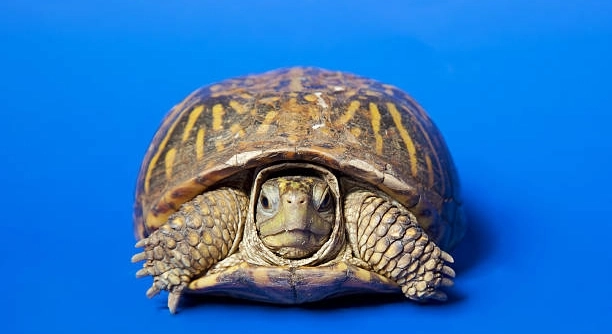
Box turtles are fascinating creatures that can live for decades with the right care. Their longevity often depends on several factors, from their environment to their diet. Understanding these elements is key to helping them thrive.
Box turtles typically live between 50 to 100 years in the wild, but their lifespan can be influenced by factors like habitat, diet, genetics, and overall care. Providing a healthy and safe environment greatly improves their chances of living longer.
Proper care and attention can greatly enhance your turtle’s life. Understanding their needs is essential for providing the best possible environment.
Diet and Nutrition
A well-balanced diet is essential for a box turtle’s health and longevity. In the wild, they have access to a variety of foods, including insects, plants, and fruits. This diverse diet helps them get the vitamins, minerals, and protein they need. In captivity, it’s important to recreate this variety as much as possible. Offering a mix of fresh vegetables, fruits, and protein sources like worms or slugs can ensure they get the nutrients they need.
If their diet is too limited or lacks essential nutrients, it can affect their overall health and lifespan. A poor diet can lead to problems like shell deformities, malnutrition, or weakened immune systems. It’s important to avoid feeding them foods that are high in fat or unsuitable for their digestion, like dairy or processed foods.
By offering a variety of fresh, natural foods, you can promote a long and healthy life for your turtle. A proper diet helps keep their immune system strong, supports their shell growth, and ensures they have the energy needed for an active lifestyle.
Habitat and Environment
The environment you provide plays a significant role in how long your box turtle will live.
Turtles need an enclosure that mimics their natural habitat. This includes space to roam, areas to hide, and the right temperature and humidity levels. Without a proper setup, they may become stressed or sick.
A temperature-controlled habitat is important because box turtles are cold-blooded. If their environment is too hot or too cold, it can cause stress and illness. Turtles also need access to natural light or UVB lighting, which helps them produce vitamin D3 for calcium absorption. Without this, they can suffer from metabolic bone disease. Ensuring they have a proper space to burrow, bask, and explore is vital for their physical and mental health.
A well-maintained habitat encourages natural behaviors, which can help reduce stress and contribute to a longer lifespan. Proper humidity, temperature control, and space will make all the difference in the health of your turtle.
Genetics
A box turtle’s genetics can impact its health and longevity. Some turtles have stronger immune systems and can handle environmental stress better than others. Genetics may also determine their growth rate, shell development, and resistance to certain diseases.
Even if you provide the best care, a turtle’s genetic makeup still influences how long it will live. Some turtles may be more prone to health issues like respiratory infections or shell diseases. It’s important to recognize that despite great care, genetic factors can sometimes limit a turtle’s lifespan.
Unfortunately, there’s no way to change a turtle’s genetic traits. However, by understanding them, you can provide better care. A healthy environment, proper diet, and attention to any specific needs related to their genetics will improve the chances of a long, healthy life.
Activity Level
A box turtle’s activity level can be a sign of its overall health. Active turtles tend to be healthier and live longer, while those that remain inactive or lethargic may need medical attention.
A turtle that is regularly active will maintain better muscle tone and shell strength. Inactivity can lead to obesity and poor circulation, which can shorten their lifespan. It’s important to provide an environment where your turtle feels safe and comfortable enough to explore. Regular activity helps maintain a healthy weight and reduces the risk of certain diseases.
Encouraging your turtle to move around by providing a stimulating environment is essential. You can include obstacles, hiding places, and varied textures to keep them engaged. Offering the right amount of space for your turtle to roam freely will allow them to stay active and healthy.
Temperature and Humidity
Box turtles require a carefully controlled environment with the right temperature and humidity. Extreme changes in temperature can lead to health problems, so maintaining a stable climate is crucial for their well-being.
Turtles need a basking area that’s warm enough to regulate their body temperature. The cooler end of the enclosure should allow them to retreat when they need to cool down. Humidity is also important for their skin and respiratory health. Too dry, and they risk dehydration; too moist, and it could cause shell rot.
Maintaining consistent temperature and humidity is key to a turtle’s overall health. A proper environment helps them digest food, regulate their metabolism, and stay active.
Illness and Health Issues
Box turtles can face various health issues that may shorten their lifespan. Common problems include respiratory infections, shell rot, and vitamin deficiencies.
A weakened immune system can make them more susceptible to illnesses. Regular health checks are important for early detection. If you notice your turtle becoming lethargic, having difficulty eating, or showing signs of illness, seek a vet’s advice immediately.
Staying on top of their health and promptly addressing any issues can help improve their longevity. With proper care, most common illnesses can be treated effectively.
Handling and Stress
Excessive handling can stress a box turtle and impact its overall health. Turtles are sensitive to constant disturbance, and being handled too often can cause anxiety.
Stress can lead to a weakened immune system, poor feeding habits, and a decline in activity. It’s best to let your turtle roam in a safe environment and only handle it when necessary.
FAQ
How long do box turtles live?
Box turtles can live between 50 to 100 years, depending on their care and environment. In the wild, their lifespan tends to be longer, as they are free to roam in a natural habitat. However, with the right diet, environment, and attention, a box turtle in captivity can also live for several decades.
What should I feed my box turtle?
A balanced diet for box turtles should include a mix of leafy greens, fruits, and protein sources like insects or worms. Some box turtles are omnivorous, while others may lean more towards a plant-based diet. It’s important to avoid feeding them processed or sugary foods. Fresh vegetables, such as dandelion greens, kale, and collard greens, are great staples for their diet.
Can box turtles live in a tank?
Yes, box turtles can live in an indoor tank or enclosure, but the space needs to be large enough for them to move around. A small tank won’t provide the space necessary for them to thrive. The enclosure should also mimic their natural environment, with hiding spots, a water dish for drinking, and proper heating or UVB lighting.
Do box turtles need water?
Box turtles need access to fresh water for drinking and soaking. They enjoy soaking in shallow water to help with hydration and to maintain proper skin and shell health. Make sure the water dish is shallow enough that they can easily get in and out, preventing them from drowning.
How do I keep my box turtle’s shell healthy?
To keep your box turtle’s shell healthy, it’s important to provide proper nutrition and a stress-free environment. Avoid excessive handling, which can cause stress and shell damage. You should also maintain the right temperature and humidity levels in their habitat, as this will help prevent shell rot and other conditions. Regular soaking and proper hygiene are essential for shell health as well.
Is it necessary to have UVB light for a box turtle?
Yes, box turtles need UVB light to help them produce vitamin D3, which is essential for calcium absorption. Without UVB light, they may develop metabolic bone disease. If they cannot be exposed to natural sunlight regularly, using a UVB light in their enclosure is necessary for their well-being.
What temperature should my box turtle’s enclosure be?
Box turtles need a range of temperatures to regulate their body heat. The warm side of the enclosure should be around 85-90°F (29-32°C), while the cooler side should be around 70-75°F (21-24°C). Having this gradient allows your turtle to move between warmer and cooler areas based on its needs.
Can box turtles hibernate?
Box turtles can hibernate, but it’s not necessary for them in captivity. In the wild, hibernation is part of their natural cycle during colder months. If you plan to allow your turtle to hibernate, make sure it’s healthy, and provide an appropriate environment that’s cool but not freezing.
How often should I handle my box turtle?
Box turtles are naturally shy animals and shouldn’t be handled excessively. Handling should be kept to a minimum to avoid causing them stress. When you do handle them, be gentle and avoid any sudden movements that could startle them.
What type of bedding should I use for a box turtle enclosure?
For bedding, choose natural materials like coconut husk, sphagnum moss, or organic soil. These materials hold moisture well, which helps maintain the proper humidity levels in their habitat. Avoid using cedar or pine wood shavings, as these can release harmful oils that are toxic to box turtles.
Can box turtles eat fruit?
Yes, box turtles can eat fruit, but it should only be a small portion of their diet. Offer fruit as an occasional treat, such as berries, apples, or melons. Too much fruit can lead to imbalanced nutrition or digestive issues.
How can I tell if my box turtle is sick?
Signs of illness in box turtles include lethargy, loss of appetite, abnormal breathing, or a soft or damaged shell. If you notice any of these symptoms, it’s important to seek veterinary care immediately. Regular health check-ups can help catch any potential issues before they become serious.
Do box turtles need a companion?
Box turtles are generally solitary animals and do not need a companion. In fact, having multiple turtles in the same enclosure can lead to stress or territorial issues. It’s best to house them individually, unless you’re sure the space is large enough for more than one without causing harm.
Caring for a box turtle requires a combination of attention, patience, and knowledge. Understanding the factors that affect their health and longevity is essential for ensuring they live a long, happy life. From providing a balanced diet to maintaining the right temperature and humidity, each aspect of their care plays a crucial role in their well-being. A healthy environment, proper nutrition, and careful monitoring of their behavior and health are key elements to successful turtle care.
Box turtles can live for many decades if given the right care. Their longevity is influenced by several factors, such as their genetics, diet, and habitat. It’s important to ensure their enclosure mimics their natural environment as closely as possible, providing them with enough space to roam and explore. Regular access to UVB light, fresh water, and proper shelter also contribute to their overall health. By meeting their needs, you can increase their chances of living a long life, potentially 50 years or more.
The journey of caring for a box turtle may take some time to get used to, but with consistency, you’ll notice that the rewards are worth it. Watching them grow and thrive in a well-maintained home can be incredibly fulfilling. If you stay on top of their diet, environment, and health, your box turtle can enjoy a happy and healthy life. While every turtle is unique, keeping their natural instincts and needs in mind will help you provide the best care possible.

Hello,
If you enjoy the content that we create, please consider saying a "Thank You!" by leaving a tip.
Every little bit helps us continue crafting quality advice that supports the health, happiness, and well-being of pets around the world, for pets of all shapes, sizes, and species.
We really appreciate the kindness and support that you show us!