
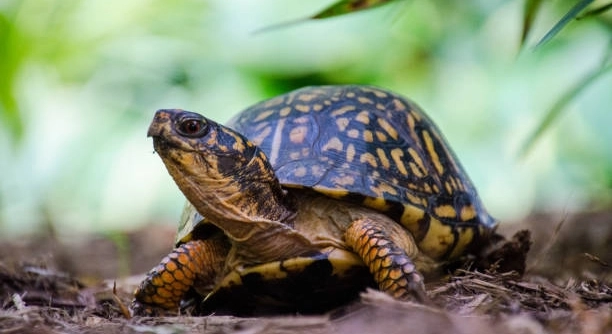
Maintaining the right humidity is essential for box turtles, especially when living in dry climates. A proper balance ensures their health and comfort. This article will guide you on how to keep humidity levels ideal for your pet.
The best way to maintain humidity for box turtles in dry climates is by using a humidity-controlled enclosure. Regular misting, proper substrate, and humidity monitoring tools are essential in providing a stable environment for your turtle.
Creating a suitable humidity level for your box turtle will help ensure its well-being. Let’s explore some practical steps to keep your turtle comfortable and thriving.
Why Humidity Matters for Box Turtles
Humidity plays a key role in the health of box turtles. In dry climates, maintaining the right level of moisture is crucial to keep your turtle’s skin, shell, and respiratory system healthy. Box turtles, like many reptiles, need a stable environment to thrive. Dry air can lead to dehydration, skin shedding issues, and difficulty breathing. It’s important to recreate the humidity levels found in their natural habitat to avoid health problems. Without enough moisture, box turtles may become stressed, leading to reduced appetite and activity levels. The right balance supports their overall health and longevity.
The right humidity also helps box turtles in their shedding process. Dry air can cause old skin to stick to the turtle, leading to incomplete or problematic shedding.
Keeping humidity levels stable requires more than just occasional misting. You’ll need to take additional steps like adjusting the substrate and ensuring there is a water dish available for soaking. Using humidity gauges will help you monitor levels in real time, allowing for quick adjustments.
Tools to Help Maintain Humidity
Humidity gauges are essential tools for monitoring your turtle’s environment. These devices provide accurate readings, ensuring you can maintain the right moisture level for your turtle’s habitat.
To effectively maintain humidity, consider using a hygrometer to track moisture levels in the enclosure. Installing a humidifier or placing water containers within the enclosure can also help increase moisture. Choose a substrate that retains moisture, such as coconut fiber or sphagnum moss. These materials help keep the environment humid without constantly needing to mist. Proper ventilation is also necessary to ensure the humidity doesn’t get too high. A well-balanced environment reduces the risk of mold and ensures the air remains fresh for your turtle.
Substrate Choices for Humidity
Choosing the right substrate helps maintain a humid environment for your box turtle. Opt for materials like coconut fiber, sphagnum moss, or cypress mulch. These retain moisture well and prevent the substrate from drying out too quickly. Avoid using sandy or loose soil that doesn’t hold moisture.
Coconut fiber is one of the best choices because it’s naturally absorbent. It can be misted regularly without losing its ability to hold moisture. Sphagnum moss is another good option as it stays damp for a longer period, helping maintain consistent humidity levels. Both are safe for box turtles and mimic their natural habitat. When setting up your enclosure, aim for a deep layer of substrate so the humidity can be evenly distributed. You can also mix different substrates to provide a varied texture while ensuring moisture retention.
Be sure to clean the substrate regularly to prevent mold growth or odor. When you notice the substrate drying out, simply add more water or mist it to bring the humidity levels back up.
Creating a Water Source
A water dish is essential for your box turtle’s hydration and humidity levels. Place a shallow dish in the enclosure that’s large enough for the turtle to soak in but not so deep that it becomes a hazard.
The water dish helps raise the humidity while also giving your turtle access to fresh water. Be sure to change the water daily to keep it clean and free from bacteria. If your box turtle enjoys soaking, consider adding a larger container, such as a shallow plastic tray, where they can immerse themselves fully. This will increase the overall humidity and provide additional benefits like aiding in skin shedding. You can also add some moss or wet leaves around the water dish to help retain moisture.
Remember to place the water dish in an area that’s not too close to any heat source. Excessive heat can cause the water to evaporate too quickly, lowering the humidity.
Misting and Humidity Levels
Misting your box turtle’s enclosure regularly is a simple way to maintain humidity. Use a spray bottle to lightly mist the substrate and walls. Be sure not to overdo it, as excess moisture can cause mold growth or attract pests.
Aim to mist the enclosure once or twice a day, depending on the humidity levels. If your home’s air is particularly dry, you may need to increase the frequency of misting. The humidity should ideally stay between 60-80%. Using a hygrometer will help you monitor and adjust the misting as needed.
Lighting and Temperature
Proper lighting and temperature are key to supporting humidity levels. A basking light provides heat, but you’ll need to control the ambient temperature to keep the humidity in balance. If the enclosure is too warm, it may dry out quickly.
Consider using a heat lamp that keeps the overall temperature between 75-85°F (24-29°C) during the day. This encourages natural humidity by creating a warmer microclimate without excessively drying out the air. Keep the area cooler at night to maintain a temperature gradient. You can also use a thermostat to monitor and control the temperature more precisely.
Enclosure Size and Ventilation
The size of your turtle’s enclosure can affect humidity levels. A larger space can make it more challenging to maintain humidity, while too small of an enclosure may not allow for proper air circulation.
Ensure that the enclosure has adequate ventilation to prevent stagnant, overly humid air. The right balance of airflow allows humidity to stay at optimal levels while preventing issues like mold or mildew buildup. A well-ventilated tank encourages proper circulation, ensuring that humidity is evenly distributed throughout the space.
FAQ
What humidity level is best for box turtles?
Box turtles thrive in humidity levels between 60-80%. Keeping it within this range ensures they stay hydrated and comfortable. Humidity that’s too low can cause dehydration, while too high can create conditions that lead to mold or respiratory problems. A hygrometer is a simple tool to measure and maintain proper humidity levels in your turtle’s habitat. Check the humidity at different spots in the enclosure to ensure it’s consistent throughout the space.
How can I tell if the humidity is too high for my turtle?
If the humidity in the enclosure is too high, you might notice condensation forming on the walls of the tank. Excess moisture can lead to mold growth, which is harmful to your turtle’s health. Additionally, your turtle may appear sluggish or have difficulty breathing. It’s important to strike a balance and monitor the humidity regularly using a hygrometer. If the levels are too high, consider adjusting ventilation or removing excess water to reduce moisture buildup.
Can I use a humidifier to maintain humidity for my box turtle?
Yes, a humidifier can be a useful tool to maintain consistent humidity in the enclosure, especially in dry climates. It helps to keep the air moist without the need for frequent misting. However, it’s important to monitor the humidity levels closely with a hygrometer to avoid over-humidifying the tank. Place the humidifier near the enclosure, but not directly inside, to ensure the air stays moist without overwhelming the space.
How often should I mist my box turtle’s enclosure?
Misting should be done once or twice a day to maintain proper humidity. The frequency may vary depending on the climate and the size of the enclosure. If you live in a particularly dry area, you may need to mist more often. Make sure the substrate and air around the tank are evenly moistened without soaking the turtle’s entire habitat. Always check the humidity levels using a hygrometer to determine if more or less misting is necessary.
What is the best substrate for maintaining humidity in a box turtle’s enclosure?
The best substrates for maintaining humidity are coconut fiber, sphagnum moss, and cypress mulch. These materials are great at holding moisture and can be misted regularly without drying out too quickly. Avoid using sand or gravel as they do not retain moisture well and can lead to a dry environment. You can also layer different substrates to improve humidity retention while providing texture for your turtle to burrow into.
How do I know if my box turtle is dehydrated?
Signs of dehydration in box turtles include dry, flaky skin, lethargy, and a lack of appetite. If your turtle seems less active than usual or struggles to move, it may not be getting enough moisture. In some cases, dehydration can lead to a cloudy or sunken appearance in their eyes. Providing a consistent humidity level and access to water is crucial in preventing dehydration. If symptoms persist, consult a veterinarian for advice.
Is it safe to use a water dish to maintain humidity in the enclosure?
Yes, a water dish is important not only for hydration but also for raising the humidity in the enclosure. Make sure the dish is shallow enough for your turtle to drink from and soak in without risk of drowning. Place it in a well-ventilated area, away from direct heat sources. Clean the water dish daily to prevent bacteria buildup. For additional moisture, you can surround the water dish with damp moss or other humidity-retaining materials.
Can I use a heat lamp to help maintain humidity?
A heat lamp is useful for providing warmth and encouraging natural humidity in the enclosure. It creates a temperature gradient, which is essential for your turtle’s comfort. However, heat lamps alone do not raise humidity; they must be paired with misting or humidity-retaining substrates. Make sure the heat lamp doesn’t dry out the air too much, and adjust the temperature as needed to keep it between 75-85°F (24-29°C).
What can I do if my box turtle’s enclosure is too dry?
If the enclosure is too dry, start by misting the substrate and walls regularly to raise the humidity. Adding a larger water dish or a humidifier can help maintain moisture. You can also consider switching to a more moisture-retentive substrate like coconut fiber or sphagnum moss. Another option is placing damp towels or cloths around the enclosure to add extra moisture to the air. Keep monitoring the humidity with a hygrometer to ensure it stays in the ideal range.
How often should I change the substrate in my box turtle’s enclosure?
The substrate should be replaced regularly to prevent bacteria and mold buildup. Depending on the type of substrate you use, cleaning or replacing it every 4-6 weeks is recommended. If the substrate becomes overly damp, foul-smelling, or moldy, it should be replaced immediately. Regular cleaning of the enclosure, including wiping down the walls and water dish, also helps maintain a healthy environment for your turtle.
Can I use plants in my box turtle’s enclosure to help with humidity?
Yes, adding live plants to your turtle’s enclosure can help maintain humidity. Plants naturally release moisture into the air through a process called transpiration, which can contribute to the overall humidity levels. Ferns, mosses, and other humidity-loving plants work well. Just make sure the plants are safe for box turtles and won’t be eaten. Avoid using chemicals like pesticides, as they can be harmful to your turtle.
Maintaining proper humidity for box turtles in dry climates is essential for their health and well-being. Turtles are sensitive to changes in their environment, and dry conditions can cause serious issues like dehydration, respiratory problems, and skin shedding difficulties. By creating a humid environment, you can help your turtle stay hydrated, active, and comfortable. It’s important to monitor humidity levels consistently using tools like a hygrometer to ensure the conditions stay ideal. Regular misting, providing a suitable substrate, and ensuring access to fresh water are key steps in maintaining these levels.
Creating a balanced environment involves more than just adding moisture. The size of the enclosure, ventilation, and temperature play important roles in keeping humidity levels stable. Too much moisture can lead to mold growth or unhealthy humidity, while too little can stress your turtle. Regular monitoring of temperature and humidity with a thermometer and hygrometer will help prevent these issues. Adjusting the setup as needed and ensuring there’s enough airflow will help keep the environment comfortable for your turtle. Over time, you’ll find the right balance for your particular setup.
In conclusion, keeping humidity at the right level is a simple but essential task when caring for box turtles in dry climates. With the proper tools, substrates, and care, you can create a healthy, comfortable environment for your turtle to thrive in. Taking the time to adjust the humidity in their habitat will not only help your box turtle live a longer, healthier life but also give you peace of mind knowing you’re providing the best care possible.

Hello,
If you enjoy the content that we create, please consider saying a "Thank You!" by leaving a tip.
Every little bit helps us continue crafting quality advice that supports the health, happiness, and well-being of pets around the world, for pets of all shapes, sizes, and species.
We really appreciate the kindness and support that you show us!