
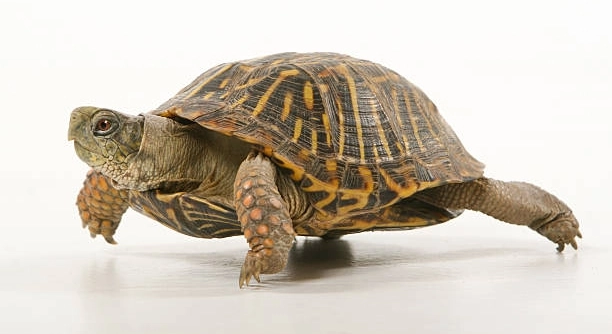
Have you ever wondered why box turtles are often used to symbolize the importance of wildlife conservation?
Box turtles make excellent conservation ambassadors due to their vulnerability, unique role in ecosystems, and ability to spark curiosity about preserving nature. By protecting box turtles, we indirectly safeguard countless other species and habitats.
Their captivating behavior and fascinating life story make box turtles a perfect example of how we can connect with wildlife.
Box Turtles Are Resilient Survivors
Box turtles have an incredible ability to adapt to various environments, from forests to grasslands. Their slow pace and distinct shells make them stand out, capturing the attention of anyone who encounters them. Despite their resilience, they face threats like habitat destruction and illegal pet trade. Protecting them helps preserve ecosystems.
Box turtles rely on intact habitats to thrive. Protecting wetlands, forests, and other natural spaces ensures they have access to food, shelter, and nesting grounds. Conservation actions for box turtles also benefit countless other plants and animals that share their environments.
Learning about the challenges box turtles face can inspire us to make choices that support wildlife. Simple actions like avoiding pesticides, supporting conservation organizations, and spreading awareness about illegal wildlife trade can help. These small steps collectively make a big difference in their survival and well-being.
Box Turtles Help Maintain Ecosystem Balance
Box turtles play a key role in spreading seeds and controlling insect populations. By consuming fruits and small invertebrates, they help maintain a natural balance in ecosystems. Their activities promote biodiversity and support healthy environments.
As part of their diet, box turtles consume fruits, digesting the pulp and scattering the seeds through their droppings. This natural process supports the growth of plants and trees, enhancing habitats for many species. Their role as seed dispersers is crucial for ecosystems, particularly in forests and grasslands.
Additionally, box turtles contribute to insect population control by eating pests like slugs and beetles. Their feeding habits can help reduce the need for chemical pesticides, offering a natural solution for managing ecosystems. Protecting box turtles ensures these processes continue, highlighting their importance to the environment and to conservation efforts.
Box Turtles Are a Symbol of Patience
Box turtles are known for their slow and deliberate movements. Their calm demeanor reminds us to approach conservation with patience, recognizing that meaningful change often takes time and sustained effort. This makes them a powerful symbol for long-term environmental care.
Their slow pace allows them to live harmoniously with their surroundings, carefully navigating their habitat without causing disruption. This trait highlights the importance of mindful coexistence with nature. Box turtles also show how even small, consistent actions—like dispersing seeds or controlling pests—can have significant positive impacts over time.
Efforts to protect box turtles mirror this idea of patience. Building awareness, restoring habitats, and enforcing protective laws are not quick fixes but are essential to ensuring their survival. Observing these turtles reminds us that every step forward in conservation, no matter how small, is valuable.
Box Turtles Inspire Curiosity About Nature
Box turtles have unique markings on their shells that make each one distinct. These intricate patterns can spark interest in wildlife and inspire people to learn more about their environment and the creatures that inhabit it.
Their behavior, like burrowing or retracting into their shells, fascinates observers and provides an opportunity to teach about adaptations and survival strategies in the wild. This curiosity often encourages people to explore other aspects of nature, deepening their connection to wildlife conservation.
By observing box turtles in their natural habitat, people can develop an appreciation for biodiversity. This connection can lead to greater support for conservation efforts, ensuring that these remarkable animals and their ecosystems are preserved for future generations.
Box Turtles Teach the Value of Patience in Nature
Box turtles’ slow movements and long lifespans highlight the need for patience in conservation efforts. Protecting their habitats and reversing the damage caused by human activity takes time but ensures their survival and that of many other species.
Observing these turtles reminds us that sustainable change happens gradually. By supporting long-term projects like habitat restoration and legal protections, we create lasting positive impacts for wildlife and ecosystems.
Box Turtles Are an Indicator of Environmental Health
Box turtles are highly sensitive to changes in their environment, making them excellent indicators of ecosystem health. Declines in their populations often signal broader issues, such as habitat degradation or pollution, providing a clear warning to address these concerns.
Box Turtles Promote Connection with Nature
Their unique behaviors and beautiful shells encourage people to spend more time outdoors, observing wildlife. This connection can foster a deeper appreciation for the natural world and inspire actions to protect it.
FAQ
How long do box turtles live?
Box turtles are known for their long lifespans, often living between 30 to 50 years in the wild. With proper care and conservation efforts, some individuals have been documented to live over 100 years. Their longevity depends on factors like diet, habitat quality, and protection from threats like predators and habitat destruction.
What do box turtles eat?
Box turtles are omnivorous, meaning they eat both plants and animals. Their diet includes fruits, vegetables, mushrooms, insects, worms, and even small amphibians. They are opportunistic feeders, eating what is available in their habitat. A diverse diet ensures they get the nutrients they need to stay healthy and thrive.
Why are box turtles important for ecosystems?
Box turtles play a critical role in their ecosystems. They disperse seeds by eating fruits and excreting the seeds in new locations, helping plants grow. They also control pest populations by feeding on insects and other small invertebrates. Protecting box turtles supports these natural processes that benefit ecosystems.
Are box turtles endangered?
Some box turtle species are considered vulnerable or endangered due to habitat loss, road mortality, and illegal collection for the pet trade. Conservation efforts are crucial to their survival, including habitat protection, stricter regulations, and raising awareness about the importance of leaving wild turtles in their natural environments.
Can you keep a box turtle as a pet?
While box turtles are sometimes kept as pets, it is not recommended to take one from the wild. Wild box turtles are vital to their ecosystems and often struggle to adapt to captivity. Instead, if you’re interested in caring for a turtle, consider adopting one from a reputable rescue organization.
What should you do if you find a box turtle on the road?
If you encounter a box turtle on the road, you can help by carefully moving it in the direction it was heading. Always prioritize your safety and avoid placing the turtle in a new location, as they are highly territorial and may try to return, putting them at further risk.
How can you help protect box turtles?
There are many ways to support box turtle conservation. You can preserve natural habitats by reducing pesticide use and supporting local conservation initiatives. Educating others about the threats box turtles face and advocating for stronger wildlife protection laws also makes a significant impact.
Do box turtles hibernate?
Yes, box turtles hibernate during colder months, typically burying themselves in loose soil or leaf litter. This behavior helps them survive low temperatures and scarce food. In warmer climates, their hibernation period may be shorter or nonexistent.
Why do box turtles have domed shells?
The domed shell of a box turtle provides protection from predators. It allows them to retract completely inside and close up for defense. This unique feature also helps them blend into their surroundings, reducing the chances of being spotted by potential threats.
What should you do if you find an injured box turtle?
If you find an injured box turtle, contact a local wildlife rehabilitator or veterinarian experienced with reptiles. Avoid trying to care for the turtle on your own, as improper handling can worsen its condition. Rehabilitators can provide the specialized care needed for recovery.
Final Thoughts
Box turtles are remarkable creatures that offer valuable lessons about conservation and the importance of protecting wildlife. Their role in maintaining ecosystem balance, spreading seeds, and controlling pests makes them essential to the natural world. By understanding the challenges they face, such as habitat loss and illegal trade, we can take steps to safeguard their future. These efforts don’t just help box turtles; they also benefit countless other species that share the same environment.
Conservation is not just about large-scale initiatives—it’s about small actions that add up over time. Supporting local conservation programs, reducing pesticide use, and spreading awareness about the importance of leaving wild turtles in their habitats are simple yet impactful ways to make a difference. Box turtles remind us that even slow, steady efforts can lead to meaningful results. Their resilience inspires us to stay committed to protecting the natural world.
Box turtles’ unique traits, like their beautiful shells and long lifespans, make them excellent ambassadors for wildlife conservation. Observing these fascinating creatures encourages curiosity and a deeper connection with nature. Protecting them is a way to preserve biodiversity for future generations to enjoy. By working together, we can ensure that box turtles and the ecosystems they support continue to thrive.

Hello,
If you enjoy the content that we create, please consider saying a "Thank You!" by leaving a tip.
Every little bit helps us continue crafting quality advice that supports the health, happiness, and well-being of pets around the world, for pets of all shapes, sizes, and species.
We really appreciate the kindness and support that you show us!