
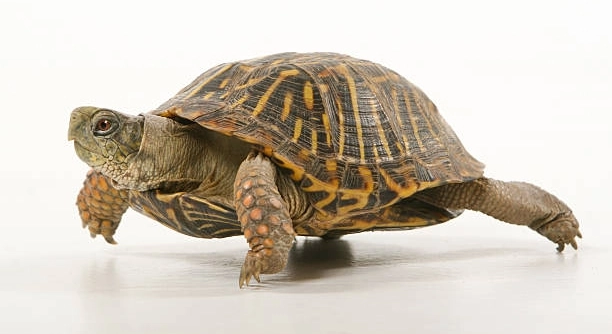
Box turtles can sometimes hide for various reasons, leaving owners unsure of what to do. This behavior is not uncommon, but understanding why it happens is key to addressing it effectively and ensuring your turtle’s well-being.
Turtles may hide due to environmental stressors, such as changes in temperature, lighting, or habitat conditions. It can also be linked to health concerns, a lack of security, or natural instincts to seek shelter. Understanding these factors helps ensure proper care.
This article explores practical solutions to help your turtle feel comfortable and secure, improving its overall health and behavior.
Why Turtles Hide: Environmental Stress
Turtles are creatures of habit, and changes in their environment can cause stress. A slight shift in temperature, humidity, or lighting might make them feel uncomfortable, leading them to seek out hiding spots. If the tank isn’t kept at an optimal temperature or the humidity levels are too low or high, turtles may try to escape these conditions by retreating into their shells. Additionally, any sudden movements or noise in their surroundings might contribute to their desire to hide. For turtles, feeling safe and secure is essential, so ensuring a stable environment can prevent this behavior.
Providing a well-maintained habitat will help your turtle feel more at ease. Pay close attention to the setup and check it regularly for any possible inconsistencies.
Consider investing in a thermometer and hygrometer to monitor temperature and humidity levels. Your turtle may also hide if there is too much direct sunlight or if there are places where it feels exposed. By adjusting these factors, you can create a more comfortable space for your turtle.
Health Issues Leading to Hiding
Health concerns may also lead your box turtle to hide. If your turtle isn’t feeling well, it might retreat into its shell as a natural instinct to protect itself. Conditions such as respiratory infections or parasites can cause discomfort, and hiding can be a sign that your turtle is trying to avoid further stress. If your turtle has been hiding for extended periods, it might be worth consulting a veterinarian to ensure its health is not at risk. Regular check-ups are essential in identifying and preventing health problems early.
A professional opinion is essential to ensure your turtle’s health. Many minor issues can be treated with the right care.
When health problems are identified, treatment can vary. Respiratory infections, for example, may require antibiotics, while parasites might need medication. A professional will guide you through the necessary steps for recovery. Ensuring your turtle is healthy and comfortable in its environment is key to preventing prolonged hiding.
Lack of Hiding Spaces
A box turtle’s instinct is to seek shelter when it feels vulnerable. If there are not enough hiding spots in its habitat, it may resort to staying hidden in one place. Box turtles need secure, quiet areas where they can retreat when they need rest.
In the wild, turtles hide in logs, under leaves, or in burrows. To replicate this environment, you should provide hiding spots like rocks, logs, or plants in their enclosure. These elements not only make your turtle feel more secure but also provide a more stimulating environment. Adding a few layers of substrate like soil or moss also helps.
If your turtle’s tank lacks these hiding spots, it may lead to stress. Stressful conditions can cause your turtle to stay hidden for longer periods. By adding more areas for your turtle to hide, you can help alleviate some of this discomfort, encouraging it to become more active.
Temperature Fluctuations
A turtle’s behavior can be greatly affected by sudden changes in temperature. Turtles are ectothermic, meaning they rely on their environment to regulate their body temperature. When the temperature isn’t stable, your turtle may retreat to a hiding spot as a way to conserve energy and stay comfortable.
Box turtles thrive in a warm, stable environment. If their habitat becomes too cold or too hot, they may hide to avoid exposure. Regularly check the temperature gradient in the tank, making sure there are warm areas for basking and cooler areas for resting. Inconsistent temperatures could make your turtle feel unsafe, triggering its instinct to hide.
Using a heating pad or basking lamp can help maintain the appropriate warmth in your turtle’s habitat. With the right temperature range, your turtle will feel more at ease and be less likely to hide for extended periods.
Overfeeding
Overfeeding can lead to lethargy in turtles. When box turtles consume more food than necessary, they may feel sluggish and seek out hiding spots to rest and digest. This can lead to prolonged periods of inactivity, which makes them appear more withdrawn.
It’s important to feed your turtle in moderation. A balanced diet with the right amount of food can help prevent this behavior. Regular feeding schedules and offering a variety of fresh foods will ensure your turtle stays healthy and active, reducing the tendency to hide.
Too much food, especially high-fat or processed items, can cause digestive issues and make your turtle feel uncomfortable, further encouraging it to hide for longer.
Lack of Socialization
Box turtles are solitary creatures by nature, but that doesn’t mean they don’t need attention. If they’re not given enough interaction or mental stimulation, they might hide out of boredom. Your turtle’s space should be enriching enough to keep it engaged.
Even though box turtles don’t crave constant social interaction, they do benefit from some interaction. Gentle handling and observing them regularly helps establish trust and comfort. This interaction prevents them from becoming stressed or bored, which may lead to hiding. Regular changes in their environment or adding new items to their enclosure also help keep them engaged.
Stress From Changes
Any change in the environment can cause your box turtle to hide. Whether it’s a change in location, a new pet in the household, or even a shift in routine, these changes can cause stress. Your turtle may retreat into its shell as a response.
Turtles thrive on consistency and familiarity. Moving their enclosure or introducing new animals to their habitat can disrupt their sense of security. If your turtle starts hiding after a recent change, give it time to adjust. Keeping the environment stable and quiet will help reduce stress and encourage your turtle to become more active.
FAQ
Why does my box turtle hide all the time?
Box turtles are naturally shy and may hide when they feel unsafe or stressed. Factors such as improper temperature, lack of hiding spots, overfeeding, or changes in their environment can cause them to seek shelter. They may also hide if they are unwell or feel vulnerable. If hiding becomes excessive, it’s important to check the conditions of their habitat and consider a visit to the vet if you suspect health issues.
How can I make my box turtle feel more comfortable?
To make your box turtle feel more comfortable, create a stable and secure environment. This includes maintaining proper temperature and humidity, providing hiding spaces, and ensuring the enclosure is quiet and calm. Turtles are more likely to feel secure in an environment that closely resembles their natural habitat. Adding plants, rocks, or logs for climbing and hiding can help your turtle feel at ease.
Is it normal for my turtle to hide after I handle it?
Yes, it’s normal for box turtles to hide after handling. They can become stressed by human interaction, especially if it’s too frequent or too intense. While some turtles may tolerate handling better than others, it’s important to give them time to adjust and return to their hiding spot afterward. Avoid handling your turtle too often, and always be gentle when doing so.
Can my turtle hide because it’s sick?
Yes, hiding can be a sign of illness. If your turtle suddenly becomes reclusive or hides for extended periods, it could be dealing with a health issue, such as a respiratory infection, parasites, or other common turtle ailments. Pay attention to any other signs of sickness, such as lack of appetite, lethargy, or abnormal behavior. If any of these occur, it’s best to seek advice from a veterinarian.
What is the best temperature for a box turtle’s habitat?
The ideal temperature for a box turtle’s habitat should range between 75°F and 85°F (24°C to 29°C) during the day. Provide a basking area with a temperature of around 90°F (32°C) to 95°F (35°C) and a cooler area for resting. Nighttime temperatures can drop to about 65°F to 75°F (18°C to 24°C). Maintaining a consistent temperature is crucial for your turtle’s health and comfort.
How often should I feed my box turtle?
Box turtles should be fed about 3-4 times per week. Offer a varied diet that includes leafy greens, vegetables, and occasional fruits, as well as protein sources like insects or cooked meat. Overfeeding can lead to lethargy and cause your turtle to hide, so make sure the portion sizes are appropriate for your turtle’s size and age.
Can I keep multiple box turtles together?
While it’s possible to keep multiple box turtles in the same enclosure, it’s important to consider their individual personalities and needs. Turtles are solitary creatures, and some may become stressed or territorial when housed together. If you do house multiple turtles, ensure the space is large enough for each one to have its own hiding spot and basking area.
How can I tell if my box turtle is stressed?
Signs of stress in box turtles include excessive hiding, lack of appetite, abnormal behavior like pacing or biting, and changes in their shell or skin. Stress can be caused by environmental factors like improper temperature, lack of hiding spots, or changes in their habitat. It’s important to monitor your turtle’s behavior and make necessary adjustments to its environment to reduce stress.
What should I do if my box turtle isn’t eating?
If your box turtle isn’t eating, first check the temperature and humidity levels in its habitat. If the conditions aren’t optimal, your turtle may lose its appetite. Additionally, make sure you’re offering a balanced and varied diet that appeals to your turtle. If the lack of appetite persists for more than a few days, consider consulting a vet to rule out any health issues.
Can a box turtle’s shell affect its behavior?
Yes, a box turtle’s shell can play a role in its behavior. If the shell is damaged, infected, or in poor condition, the turtle may become stressed and hide more often. A healthy shell is essential for your turtle’s overall well-being. Regularly check your turtle’s shell for signs of injury, infection, or abnormal growths. If you notice any issues, seek professional veterinary care.
How do I clean my box turtle’s enclosure?
To clean your box turtle’s enclosure, remove any uneaten food and replace the substrate regularly. Spot clean daily by removing waste, and perform a deep clean once every few weeks. Wash all items, such as rocks and logs, with reptile-safe cleaners or a mild soap solution. It’s also important to change the water frequently to keep it clean and fresh for your turtle.
Why is my box turtle not basking?
If your turtle isn’t basking, it could be due to several reasons, such as improper basking temperatures, stress, or illness. Ensure the basking area is the correct temperature, around 90°F to 95°F (32°C to 35°C), and that your turtle feels secure in its environment. If your turtle still refuses to bask, check for any signs of illness and consult a vet if necessary.
How do I make sure my box turtle stays hydrated?
Provide a shallow dish of fresh water at all times to ensure your box turtle stays hydrated. Box turtles often drink from their water bowl or soak in it, which is important for their health. The water should be changed daily to prevent contamination. Additionally, including high-moisture foods like leafy greens can help with hydration.
Can I let my box turtle roam outside?
Yes, you can let your box turtle roam outside, but make sure the area is safe. The outdoor environment should be free from predators, such as birds or dogs, and should have plenty of hiding spots. Keep an eye on your turtle to ensure it doesn’t wander off or get too stressed. Always supervise outdoor time and ensure your turtle returns to its enclosure afterward.
What size tank does my box turtle need?
The size of the tank depends on the age and size of your box turtle. A young turtle may be comfortable in a 20-gallon tank, but as it grows, it will need more space. A fully grown box turtle should have at least 40 gallons of space to move around comfortably. Larger enclosures provide more room for hiding spots, basking areas, and a more enriching environment.
Do box turtles hibernate?
Yes, box turtles may hibernate during the winter months, particularly in cooler climates. Hibernation is a natural process where the turtle becomes less active and slows down its metabolism. During this time, your turtle may hide more often, eat less, and spend time in a cooler part of its enclosure. Ensure the temperature remains stable and monitor your turtle’s health during hibernation.
Final Thoughts
Understanding why your box turtle hides is an important step in ensuring it is healthy and comfortable. While it’s normal for turtles to seek out hiding spots, frequent or prolonged hiding can indicate issues such as stress, environmental discomfort, or even health problems. By observing your turtle’s behavior and making adjustments to its habitat, you can create an environment where it feels safe and secure. Proper temperature, humidity, and a variety of hiding options will help your turtle feel at ease, minimizing the chances of excessive hiding.
If your box turtle’s behavior doesn’t improve despite changes to its environment, it may be worth considering a veterinary checkup. Turtles can be quite resilient, but certain health conditions, such as respiratory infections or parasites, may cause them to withdraw more often. It’s important to monitor for other signs of illness, like lack of appetite or lethargy, and seek professional care if necessary. A quick visit to the vet can help prevent more serious issues and give you peace of mind about your turtle’s well-being.
Lastly, it’s essential to remember that every turtle is unique, and their hiding behavior may vary. Some may hide more often due to their individual temperament, while others might feel more comfortable being out in the open. By paying attention to your box turtle’s needs and responding with care, you can help it lead a happy, healthy life. With the right attention and care, your turtle will become more confident in its environment, reducing the need to hide as often.

Hello,
If you enjoy the content that we create, please consider saying a "Thank You!" by leaving a tip.
Every little bit helps us continue crafting quality advice that supports the health, happiness, and well-being of pets around the world, for pets of all shapes, sizes, and species.
We really appreciate the kindness and support that you show us!