
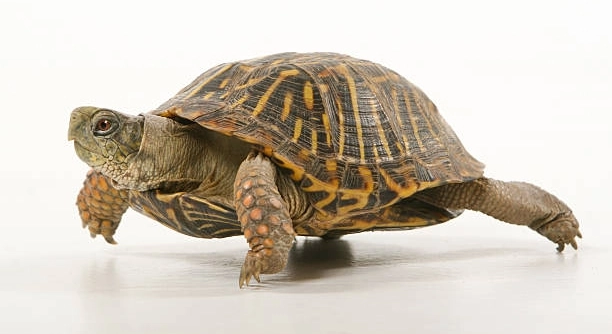
Creating the perfect habitat for your box turtle involves more than just providing food and water. A well-designed environment ensures their health, comfort, and happiness while mimicking their natural surroundings to the best of your ability.
To avoid common mistakes when designing a box turtle habitat, focus on factors such as proper enclosure size, substrate choice, temperature regulation, and enrichment. Each of these plays a critical role in ensuring your turtle’s well-being and longevity.
By understanding these key elements and avoiding these seven mistakes, you’ll create a habitat that keeps your box turtle thriving. Let’s explore the details to help your turtle live its best life.
Insufficient Enclosure Size
A box turtle’s enclosure should be spacious enough to accommodate their active lifestyle. Small spaces can cause stress and restrict their natural behaviors like foraging and exploring. Aim for at least 4 square feet per turtle, though bigger is always better.
Providing ample space also helps maintain cleanliness by distributing waste and preventing overcrowding. Cramped enclosures can lead to health issues and increased aggression between turtles. Ensure the habitat includes hiding spots, climbing areas, and open spaces for movement to replicate their natural environment.
Investing in a larger enclosure promotes your box turtle’s overall health and encourages behaviors that mimic their wild counterparts. A proper setup not only keeps them happy but also reduces the need for frequent upgrades as they grow.
Incorrect Substrate Choice
The substrate is a critical element of a box turtle habitat as it influences burrowing, humidity levels, and comfort.
Choose substrates like coconut coir, organic soil, or a mixture of soil and sand. Avoid materials such as gravel or artificial grass, which can harm your turtle by causing injuries or ingestion risks.
A well-chosen substrate helps retain humidity, encourages burrowing, and keeps their habitat safe and comfortable. Monitor it regularly to ensure it stays clean and free from mold. Proper substrate care contributes significantly to a healthy habitat for your turtle.
Lack of Temperature Regulation
Temperature regulation is essential for a box turtle’s health. Without proper heating and cooling zones, they may struggle with digestion, metabolism, and overall well-being. A consistent gradient in their enclosure ensures they can thermoregulate effectively.
Provide a basking area with a temperature of 85-90°F, paired with a cooler side around 70-75°F. Using a heat lamp and a thermometer ensures accurate readings and consistency. Night temperatures should drop slightly, mimicking natural conditions. Avoid heating pads directly beneath the enclosure to prevent burns.
Consistent temperature monitoring is crucial to maintaining your turtle’s health. Irregular or extreme temperatures can lead to respiratory infections or lethargy. Adjust the setup seasonally and verify the gradient frequently to ensure the enclosure supports your turtle’s biological needs effectively.
Inadequate Humidity Levels
Humidity plays a critical role in a box turtle’s skin and shell health, helping to prevent issues like cracking or infections.
Maintain humidity levels between 60-80%, depending on the species. Use a hygrometer to monitor the levels and mist the enclosure regularly. Adding live plants and a shallow water dish can also help maintain the necessary moisture.
A dry environment can lead to dehydration and respiratory problems, while excessive humidity fosters mold growth. Balancing humidity is essential for your turtle’s health. Keep the substrate moist but not wet, and ensure proper ventilation to maintain a healthy environment.
Poor Lighting Setup
Proper lighting is essential for a box turtle’s shell and bone health. Without access to UVB light, they cannot synthesize vitamin D3, leading to metabolic bone disease and other complications.
Use a UVB bulb specifically designed for reptiles and place it within 12 inches of their basking area. Replace the bulb every six months to ensure it provides adequate UVB output.
Overcrowding in the Enclosure
Overcrowding can lead to stress, aggression, and poor hygiene in a box turtle habitat. Ensure each turtle has enough personal space and access to essential resources like food, water, and hiding areas.
Sharing an enclosure with too many turtles increases the risk of competition and health issues. If you house multiple turtles, provide separate zones and monitor their interactions closely to ensure they coexist peacefully.
FAQ
How often should I clean my box turtle’s habitat?
Clean the enclosure at least once a week to maintain a healthy environment. Spot clean daily to remove waste and food scraps. This helps prevent mold growth, reduces bacteria, and ensures that your turtle’s living space remains comfortable.
In addition to routine cleaning, make sure to replace the substrate periodically, as it can absorb waste and bacteria over time. Water dishes should also be cleaned regularly to avoid any buildup of algae or contaminants. Keeping a clean habitat promotes better overall health and reduces the risk of disease.
What should I feed my box turtle?
Box turtles are omnivores, so their diet should include a mix of vegetables, fruits, and animal-based foods. Offer leafy greens such as collard greens, dandelion greens, and mustard greens, as well as fruits like strawberries, apples, and melons.
You can also provide protein sources such as mealworms, earthworms, and insects. It’s important to vary their diet to ensure they get all the necessary nutrients. Supplementing with calcium and vitamin D3 is recommended to promote healthy shell and bone development. Avoid feeding processed or high-fat foods.
How do I handle my box turtle?
Handle your box turtle gently and with care. While box turtles are not typically fond of being picked up, they can tolerate brief handling if done properly. Always support their body, ensuring that they feel secure.
Avoid handling them too often, as it can cause stress. If you need to handle them for cleaning or other purposes, keep the sessions short. Allow them time to explore their environment without constant interaction to prevent anxiety.
Can I house multiple box turtles together?
It is possible to house multiple box turtles, but it comes with risks. Box turtles can be territorial, and without enough space, they may become aggressive.
If you choose to house more than one, ensure that the enclosure is large enough for each turtle to have its own space, food, and hiding spots. Monitor their behavior to prevent fighting. Some box turtles may do better alone, especially if they show signs of stress when housed with others.
What temperature is best for a box turtle habitat?
Box turtles require a temperature gradient in their habitat, allowing them to regulate their body temperature. The basking area should be between 85-90°F, while the cooler side should range from 70-75°F.
At night, the temperature can drop slightly, but it should not fall below 65°F. Maintaining a consistent temperature gradient ensures that your turtle can warm up when needed or cool down during hotter periods, which is important for their digestion and overall health.
How do I prevent my box turtle from escaping its enclosure?
Box turtles are skilled at escaping, so ensuring their enclosure is secure is essential. Make sure the sides are tall enough and burrow-proof.
A good practice is to bury the edges of the enclosure a few inches into the ground to prevent digging out. Secure any lids or mesh coverings and check for weak spots regularly. A secure enclosure keeps your turtle safe and prevents them from wandering off and getting lost.
Why is my box turtle not eating?
If your box turtle refuses to eat, it could be due to several factors. Temperature fluctuations, stress, and changes in diet are common reasons.
Check the temperature in their habitat and ensure it falls within the correct range. Stress from changes in their environment or handling may also cause a loss of appetite. If the issue persists, consult with a vet to rule out any health problems.
Can box turtles swim?
Yes, box turtles can swim, but they are not as proficient as aquatic turtles. They enjoy shallow water, but their primary habitat is on land.
You can provide a shallow water dish for your box turtle to drink from or soak in. Be sure the water is not too deep, as they may struggle to climb out if it’s too high. Avoid offering deep water without a shallow exit ramp or landing area.
How do I know if my box turtle is sick?
Signs of illness in box turtles can include lethargy, loss of appetite, swollen eyes, or abnormal breathing. If your turtle seems weak or its behavior changes drastically, it’s time for a veterinary checkup.
Check for any signs of shell abnormalities such as cracks or discoloration. A lack of movement, difficulty breathing, or any unusual discharges should be addressed promptly. Early detection of illness helps improve recovery chances.
Is it necessary to give my box turtle a companion?
Box turtles are solitary creatures and do not need a companion. While they can sometimes tolerate being housed with others, they typically prefer their own space.
If you do choose to house multiple turtles together, ensure there is enough space to prevent competition and stress. It’s always important to observe their behavior and separate them if aggression or stress signs occur. Some box turtles are simply happier living alone.
Final Thoughts
Designing the perfect habitat for a box turtle requires careful consideration of several key factors. Providing a secure, clean environment with proper temperature, humidity, and lighting ensures your turtle thrives. It’s important to understand the specific needs of the species you are keeping to avoid common mistakes that could lead to health problems or stress. A balanced approach with proper planning will result in a healthier, happier turtle.
Maintaining consistency in the care routine is crucial for a box turtle’s long-term well-being. Regularly monitor temperature and humidity levels, clean their habitat, and ensure they have a varied diet. Addressing potential issues early, such as inadequate lighting or overcrowding, can prevent bigger problems in the future. It’s also essential to offer enough space for your turtle to roam, as box turtles need room to explore and exercise.
Box turtles are resilient, but their environment plays a significant role in their health. With the right setup and attention to detail, they can live long, fulfilling lives. As a turtle keeper, it’s your responsibility to create a safe and comfortable home for them. By avoiding common mistakes and staying informed, you can support your box turtle’s needs and enjoy a rewarding experience in caring for these fascinating creatures.

Hello,
If you enjoy the content that we create, please consider saying a "Thank You!" by leaving a tip.
Every little bit helps us continue crafting quality advice that supports the health, happiness, and well-being of pets around the world, for pets of all shapes, sizes, and species.
We really appreciate the kindness and support that you show us!