
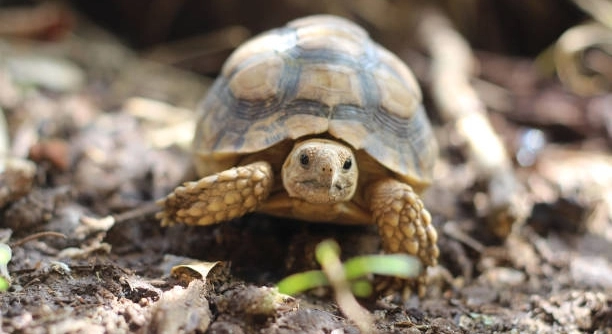
Caring for a box turtle is a long-term commitment that requires attention to its health and well-being. Providing proper care ensures they thrive in their environment and live a long, healthy life with fewer health issues.
Preventative measures for box turtle health include maintaining a balanced diet, providing clean water, ensuring appropriate UVB lighting, and keeping a clean habitat. Regular check-ups with a veterinarian are essential for monitoring their overall well-being.
By understanding these measures, you can promote your box turtle’s health and happiness for years to come. Let’s explore how to create the best care plan for your shelled companion.
Provide a Nutrient-Rich Diet
A balanced diet is essential for your box turtle’s long-term health. Fresh vegetables, fruits, and protein sources like insects should be included. Avoid processed foods or those high in sugar, as these can harm their digestion and overall health.
Offer a variety of safe foods to ensure your turtle receives all necessary vitamins and minerals. Calcium and vitamin D3 supplementation are especially important to prevent shell deformities and maintain strong bones. Freshwater should always be available in a shallow dish for hydration and soaking.
Rotating the diet regularly can help keep your turtle interested in their meals while ensuring they benefit from diverse nutrients. Feeding them according to their natural dietary needs contributes significantly to their long-term well-being.
Maintain Proper Habitat Conditions
A well-maintained habitat plays a key role in a box turtle’s health. Ensure the enclosure mimics their natural environment and provides sufficient space.
The enclosure should include a UVB light source to facilitate vitamin D3 synthesis. Substrate materials like soil or moss help maintain humidity, while a basking area provides warmth. Maintaining temperature gradients ensures comfort and health.
Regular cleaning of the habitat is crucial to prevent bacteria buildup and disease. Additionally, providing hiding spots and environmental enrichment enhances their quality of life.
Regular Veterinary Check-Ups
Routine veterinary visits are essential for detecting potential health concerns early. A qualified reptile veterinarian can assess your turtle’s overall health, perform necessary tests, and provide guidance on care adjustments. This preventive measure significantly reduces the risk of long-term complications.
During check-ups, the veterinarian can evaluate the shell, eyes, and mouth for any abnormalities. They may also check for signs of parasites or nutritional deficiencies. Bringing your turtle for an annual visit is typically sufficient, but more frequent visits might be necessary if specific issues arise or if they are aging.
Early detection of illnesses such as respiratory infections or metabolic bone disease is crucial. These conditions can often be treated successfully if caught in their initial stages. Partnering with a knowledgeable veterinarian ensures your turtle has the best chance at a healthy and thriving life.
Provide Consistent Hydration
Proper hydration supports digestion, shedding, and overall health. Always provide clean water in a shallow dish large enough for soaking. This encourages natural behaviors and helps with hydration.
Dehydration can lead to serious health problems, including kidney damage. Mist their enclosure regularly to maintain humidity, especially for species that require a moist environment. Monitor water quality and cleanliness to prevent illness.
Soaking your turtle in lukewarm water once or twice a week can further support hydration. This practice is particularly helpful during warmer months or when their activity levels increase. Proper hydration is an easy yet impactful way to enhance your turtle’s long-term health.
Ensure Proper Lighting and Temperature
UVB lighting is critical for calcium absorption and preventing metabolic bone disease. Position the light within 12 inches of the basking area, ensuring it mimics natural sunlight. Replace UVB bulbs every six months for effectiveness.
Maintain a temperature gradient in the enclosure. Provide a basking spot at 85-90°F and a cooler area around 70°F. Use thermometers to monitor these temperatures consistently.
Monitor for Signs of Illness
Pay attention to changes in behavior, appetite, or physical appearance, as these may indicate health problems. Symptoms like nasal discharge, lethargy, or shell discoloration warrant immediate veterinary attention. Early detection ensures effective treatment.
Keep the Habitat Clean
Regularly remove waste and uneaten food to prevent bacterial growth. Deep-clean the enclosure monthly, including disinfecting surfaces and replacing substrate. A clean habitat promotes your turtle’s health and reduces the risk of infections.
FAQ
How often should I feed my box turtle?
Adult box turtles should be fed every other day, while juveniles require daily feeding due to their higher nutritional needs. Offer a balanced mix of vegetables, fruits, and proteins in portions appropriate for their size.
What types of foods are safe for box turtles?
Safe foods include leafy greens, carrots, berries, and protein sources like earthworms and mealworms. Avoid feeding iceberg lettuce, processed foods, or anything high in sugar, as these provide little nutritional value and can harm their health.
How do I maintain proper humidity levels?
Humidity levels should range from 60% to 80%, depending on the species. Use a hygrometer to monitor humidity. Mist the enclosure daily, provide a shallow water dish, and use substrate materials like moss or coconut coir to help retain moisture.
Do box turtles need UVB lighting?
Yes, UVB lighting is essential for their health. It enables the production of vitamin D3, which is crucial for calcium absorption and shell strength. Replace UVB bulbs every six months to ensure optimal effectiveness.
How often should I clean the enclosure?
Spot-clean the enclosure daily by removing waste and uneaten food. Perform a deep cleaning monthly, including disinfecting surfaces, replacing substrate, and ensuring water dishes are clean to maintain a hygienic environment.
What are common signs of illness in box turtles?
Signs include lethargy, nasal discharge, swollen eyes, loss of appetite, and shell discoloration. If you notice any of these symptoms, consult a veterinarian specializing in reptiles for proper diagnosis and treatment.
Can box turtles live outdoors?
Box turtles can thrive outdoors in a secure enclosure if the climate is suitable. Ensure the area provides shade, hiding spots, and proper temperature regulation. Outdoor living mimics their natural habitat but requires predator-proof fencing.
What type of substrate is best for box turtles?
Substrates like organic soil, coconut coir, or a mix of soil and sand are ideal. Avoid cedar or pine shavings, as these can release harmful oils. The substrate should retain moisture to support humidity levels.
How do I handle my box turtle safely?
Handle your box turtle gently and only when necessary. Support their body with both hands, avoiding squeezing or sudden movements. Limit handling to minimize stress, as turtles can become anxious with excessive human interaction.
Do box turtles hibernate?
Many box turtle species hibernate during colder months. If kept outdoors, provide a safe, insulated space for hibernation. Monitor their weight and health before and during hibernation to ensure they remain healthy.
Can box turtles recognize their owners?
Box turtles may not recognize owners like mammals, but they can associate you with food and care over time. Patience and consistency help build trust and make them more comfortable in your presence.
What is the average lifespan of a box turtle?
Box turtles can live 30 to 50 years or more with proper care. Long lifespans require consistent attention to diet, habitat, and overall health, making them a long-term commitment as pets.
Final Thoughts
Caring for a box turtle is a long-term commitment that requires attention to detail and consistency. Providing a healthy diet, proper hydration, and a clean, well-maintained habitat are essential components of their overall well-being. By understanding their specific needs, you can ensure that your turtle lives a healthy and enriched life. Each preventive measure, from regular veterinary check-ups to maintaining appropriate humidity levels, plays a vital role in their longevity.
Building trust with your box turtle takes time, but it is rewarding to see them thrive under your care. Regular observation allows you to notice subtle changes in their behavior or appearance, helping you address any health concerns promptly. Simple actions, like ensuring they have access to clean water or offering varied and nutritious meals, make a significant difference in their daily comfort and long-term health.
The effort you invest in your turtle’s care directly impacts their quality of life. A well-cared-for turtle not only lives longer but remains active and healthy throughout their years. By following the preventative measures outlined, you create a safe and nurturing environment that supports their natural behaviors and physiological needs. The dedication you show today ensures a happy and healthy future for your box turtle.

Hello,
If you enjoy the content that we create, please consider saying a "Thank You!" by leaving a tip.
Every little bit helps us continue crafting quality advice that supports the health, happiness, and well-being of pets around the world, for pets of all shapes, sizes, and species.
We really appreciate the kindness and support that you show us!