
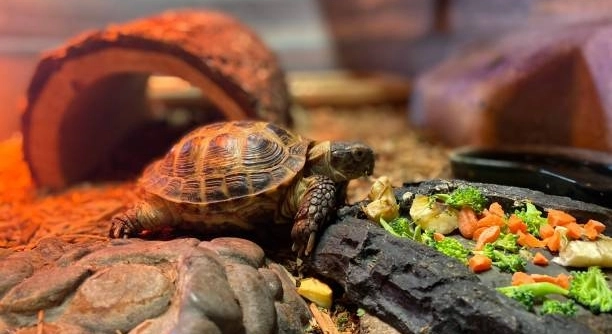
Vitamin deficiency in box turtles can be subtle at first, but early symptoms are important to recognize. These signs can help you address any health issues before they become more serious. Knowing what to look for is key.
Early symptoms of vitamin deficiency in box turtles may include lethargy, loss of appetite, soft shells, eye discharge, and abnormal behavior. These signs indicate the turtle’s body is not receiving adequate vitamins, impacting its overall health and development.
Recognizing these early signs can help prevent further health complications and ensure your box turtle stays healthy and happy. Keep reading to learn more about what you can do to help.
Common Symptoms of Vitamin A Deficiency
Vitamin A is crucial for maintaining healthy skin, eyes, and immune function in box turtles. A deficiency in this vitamin can result in noticeable symptoms such as swollen eyes or difficulty seeing, which may cause the turtle to become disoriented. You might also see a reduction in activity levels or a lack of interest in food. It’s essential to act quickly, as prolonged deficiency can lead to permanent damage.
If you notice these symptoms, it’s important to evaluate your turtle’s diet. Adding vitamin A-rich foods like dark leafy greens, carrots, and squash can help. You can also consider supplementing their diet with appropriate turtle vitamins designed to provide the nutrients they need for proper growth and function.
In addition to eye problems, turtles with vitamin A deficiencies often experience respiratory issues. The lack of this vitamin weakens their immune system, making them more vulnerable to infections. You should pay close attention to any signs of sneezing or wheezing, as this could be an early indication of vitamin A deficiency.
Addressing Vitamin D Deficiency
Vitamin D plays a vital role in calcium absorption, which is essential for bone health in box turtles. Without enough vitamin D, your turtle may develop weak or deformed bones, making movement difficult.
A lack of exposure to UVB light is the main factor contributing to vitamin D deficiency in box turtles. UVB lighting helps turtles synthesize vitamin D naturally, so if your turtle isn’t getting enough light, its body may not be absorbing calcium properly.
Providing your turtle with a balanced diet and adequate UVB exposure is critical to prevent bone issues. Ensure your turtle has access to natural sunlight or a high-quality UVB light source for at least 10-12 hours a day. Additionally, consider adding calcium-rich foods like collard greens, dandelion leaves, and calcium supplements to their diet. With proper care, vitamin D deficiency can be avoided, promoting stronger bones and better overall health.
Symptoms of Calcium Deficiency
Calcium deficiency is a common problem for box turtles, leading to weak shells and bones. You may notice your turtle’s shell becoming soft or brittle, which is a serious issue that can impact mobility. Regular calcium intake is crucial for shell development and overall strength.
Calcium is essential for healthy bone structure, and without it, turtles can develop metabolic bone disease. To avoid this, ensure your turtle’s diet includes calcium-rich foods, such as leafy greens and insects. If needed, supplement their food with calcium powder to promote stronger bones and a healthier shell. Always make sure the calcium supplement is specifically designed for reptiles to prevent imbalances.
It’s also important to provide your turtle with adequate UVB light, as it helps with calcium absorption. Without enough UVB, even a calcium-rich diet won’t be effective. You may notice a decline in your turtle’s energy levels or appetite as calcium levels drop, which could lead to further complications.
Recognizing Vitamin C Deficiency
Vitamin C is essential for your turtle’s immune system and skin health. A lack of vitamin C can result in swollen joints, skin lesions, and difficulty moving. This deficiency can affect their overall well-being.
Box turtles require vitamin C to fight off infections and to maintain healthy skin. Without it, your turtle may develop swelling, scaly skin, or issues with their joints. It’s essential to offer vitamin C-rich foods such as oranges, strawberries, and bell peppers to help maintain their health. Adding these foods to your turtle’s regular diet can support the immune system and keep their skin in top condition.
A vitamin C deficiency can also impact your turtle’s behavior. They may become more lethargic or refuse to eat, signaling that something isn’t right. If left untreated, a lack of vitamin C can lead to more severe health issues, including weakened bones and further complications in their movement.
Signs of Protein Deficiency
Protein is essential for growth and repair in box turtles. Without enough protein, your turtle’s shell may show signs of weakness, and they might have trouble growing properly. Their overall health could decline if the deficiency continues.
If your turtle isn’t getting enough protein, you might notice a decrease in their activity level and appetite. They may become more lethargic, and their energy will decrease. Providing protein-rich foods like insects, worms, and fish can help address the issue and support your turtle’s growth and health.
Impact of Overfeeding or Poor Diet
Overfeeding can lead to obesity and other health problems for box turtles. It’s essential to monitor their food intake and provide a balanced diet with appropriate portions.
Feeding them a variety of fruits, vegetables, and protein sources can ensure they receive the right nutrients. Avoid overfeeding high-fat foods like certain fruits and keep the protein intake balanced. Too much of one food group can lead to nutrient imbalances, affecting their overall health. A well-rounded diet helps keep your turtle at an ideal weight, preventing any additional strain on their body.
Importance of Proper Hydration
Hydration is a critical aspect of maintaining your turtle’s health. Dehydration can lead to constipation, kidney issues, and even a weakened immune system. Ensure your turtle always has access to clean, fresh water.
Providing a shallow water dish for your turtle is essential for hydration. You can also mist their environment occasionally to ensure proper humidity. If your turtle seems more sluggish than usual, it could be a sign that it’s not drinking enough. Keep a close eye on their hydration to support their overall health.
FAQ
What should I feed my box turtle to prevent vitamin deficiencies?
To prevent vitamin deficiencies, feed your box turtle a balanced diet that includes a variety of leafy greens (such as collard greens and dandelion leaves), vegetables like carrots and squash, and protein sources like worms, crickets, and snails. Supplementing their diet with a high-quality reptile vitamin is also important to ensure they are getting all the necessary nutrients.
How can I tell if my box turtle is dehydrated?
Signs of dehydration in box turtles include lethargy, dry or wrinkled skin, and a lack of appetite. You may also notice that your turtle’s eyes appear sunken or dull. Ensuring they have access to fresh water at all times and occasionally misting their environment can help prevent dehydration. If these signs persist, it’s important to seek advice from a veterinarian.
How often should I provide UVB lighting for my box turtle?
UVB lighting should be provided for 10-12 hours a day to ensure your turtle can produce vitamin D3 and absorb calcium properly. If your turtle has access to natural sunlight, you can adjust the lighting to reflect that, but always ensure it has adequate exposure for proper health.
Can my box turtle live in a tank without UVB lighting?
A box turtle should not live in a tank without UVB lighting. UVB is essential for their overall health, particularly for calcium absorption, which supports strong bones and a healthy shell. If they are not getting enough UVB light, they could develop metabolic bone disease and other health issues.
How do I know if my turtle is getting enough calcium?
Signs of calcium deficiency include a soft or rubbery shell, slow growth, and weakened bones. If your turtle’s shell appears deformed or lacks its usual strength, it may not be getting enough calcium. To prevent this, make sure you are providing calcium-rich foods like leafy greens and supplementing with a reptile calcium powder. Proper UVB lighting is also important for calcium absorption.
How can I prevent my turtle from becoming obese?
To prevent obesity, avoid overfeeding high-fat foods and ensure your turtle gets a balanced diet. Stick to an appropriate portion size for your turtle’s age and size, and include a variety of fruits, vegetables, and protein sources. Regularly check your turtle’s weight and activity level to ensure it’s maintaining a healthy body condition.
What temperature should I keep my box turtle’s habitat?
Box turtles require a temperature gradient in their habitat, ranging from 75°F to 85°F during the day, with a basking area reaching 90°F. At night, temperatures can drop to around 65°F. Maintaining proper temperatures is key to your turtle’s digestion and overall health. Ensure they have a cooler area to retreat to when they need to regulate their body temperature.
Is it okay to feed my box turtle fruit?
Yes, box turtles can eat fruit, but it should be given in moderation. Fruits like strawberries, apples, and bananas provide essential vitamins and hydration, but they are high in sugar and should not make up the majority of their diet. Offering fruit once or twice a week as a treat is ideal.
How often should I clean my box turtle’s habitat?
You should clean your turtle’s habitat weekly, removing any uneaten food and waste to prevent bacteria buildup. Regularly change the water and clean the water dish. Deep cleaning, which includes disinfecting the tank, should be done every 2-3 weeks to ensure your turtle’s living space remains healthy and free from harmful microorganisms.
What can I do if my turtle’s shell is soft?
A soft shell can indicate a calcium deficiency or lack of UVB lighting. Make sure your turtle is receiving enough calcium in its diet and has access to adequate UVB lighting. If the shell continues to feel soft or shows signs of deformity, consult a veterinarian for a more thorough assessment and guidance.
How long can a box turtle go without food?
Box turtles can survive for several days to a few weeks without food, depending on their age, size, and health. However, this doesn’t mean they should be left without food for long periods. Regular feeding is essential for maintaining their health and energy levels. If your turtle refuses food for extended periods, it may indicate an underlying health issue that requires veterinary attention.
Can I keep a box turtle in an outdoor enclosure?
Yes, box turtles can thrive in outdoor enclosures, provided the area is secure and protected from predators. Make sure the enclosure has access to both shaded and sunny spots, a shallow water dish, and a varied diet. Additionally, ensure the enclosure has appropriate fencing to prevent escapes.
Final Thoughts
Caring for a box turtle requires attention to detail, especially when it comes to their diet, hydration, and habitat. Ensuring they receive a balanced diet with adequate vitamins, protein, and calcium is key to maintaining their health. A lack of these essential nutrients can lead to various health issues, so it’s important to monitor their diet closely and make adjustments as needed. Providing a variety of foods, including leafy greens, protein sources, and occasional fruits, will help prevent deficiencies and support your turtle’s growth.
Proper hydration is just as important as a balanced diet. Box turtles need access to fresh water at all times, and their environment should have adequate humidity to prevent dehydration. Dehydration can cause serious problems, including lethargy and kidney issues. Keeping their habitat clean and ensuring they are drinking enough water will go a long way in supporting their well-being. It’s also important to observe their behavior and health regularly, as changes in activity levels or appetite can signal a potential issue that requires attention.
Lastly, creating the right environment is crucial for your box turtle’s overall health. This means providing the appropriate temperature gradient, access to UVB light, and a secure enclosure. Without these conditions, your turtle may struggle to thrive, and its health could suffer. Regular habitat cleaning, temperature control, and monitoring of UVB exposure are essential practices to ensure your turtle remains healthy. By paying attention to these factors and addressing any concerns promptly, you’ll be able to provide a suitable environment for your box turtle, helping them live a long and healthy life.

Hello,
If you enjoy the content that we create, please consider saying a "Thank You!" by leaving a tip.
Every little bit helps us continue crafting quality advice that supports the health, happiness, and well-being of pets around the world, for pets of all shapes, sizes, and species.
We really appreciate the kindness and support that you show us!