
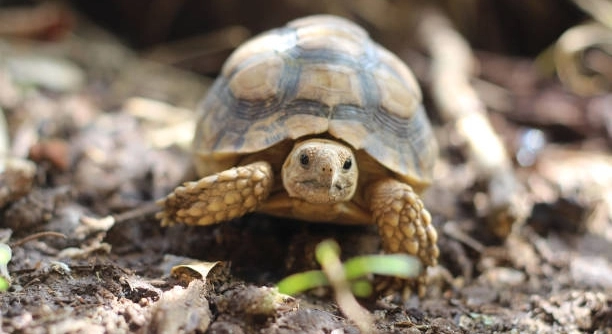
Box turtles are unique and fascinating pets, but their well-being depends on their habitat. One of the most important factors in keeping them healthy is providing enough space for them to roam and thrive.
A tank that is too small for your box turtle can lead to stress, health problems, and a lack of proper exercise. It is crucial to monitor your turtle’s space to ensure it’s adequate for their physical and mental health.
In this article, we will explore the common signs that indicate your box turtle may need a larger space. Understanding these signs will help you create the best environment for your turtle to grow, stay active, and remain happy.
Limited Space for Exercise
When your box turtle’s tank is too small, it can’t move around as freely as it needs to. Box turtles are naturally curious and love to explore their environment. Without enough room to roam, they may become sluggish and less active. This can lead to obesity and other health problems. Additionally, a cramped space makes it harder for them to engage in behaviors that are important for their physical and mental well-being. Providing them with a tank that allows for plenty of space to walk and explore is crucial to their health.
A small tank limits your turtle’s ability to get the exercise it needs. With less movement, it can become lethargic and develop issues like joint stiffness or muscle weakness. This is why space should always be considered when setting up your turtle’s habitat.
If your turtle’s tank is too small, you might notice that it spends more time in one spot instead of actively exploring. A lack of exercise can weaken your turtle’s muscles and make it harder for them to stay healthy. A larger tank offers the space for them to move, stretch, and maintain a healthier lifestyle. In some cases, increasing the size of their tank may even help boost their overall mood and behavior.
Inadequate Temperature and Humidity
When a tank is too small, it’s harder to maintain the right temperature and humidity levels. The space may not allow for proper heat gradients, which are important for your turtle’s comfort. A larger tank makes it easier to create different zones with varying temperatures.
For box turtles, maintaining the right environment is essential for their survival. A proper basking spot, along with cooler shaded areas, is needed for them to regulate their body temperature. A small tank may cause heat to become trapped, creating unbalanced conditions. Without enough space for heat to circulate, your turtle can end up with stress or even illness due to improper environmental conditions. By offering a bigger tank, you allow your turtle to have access to a balanced climate. This means they can move from warm to cool areas as they need, improving their overall well-being. This also helps in preventing conditions like dehydration or heat exhaustion.
Stress and Anxiety
A small tank can make your box turtle feel trapped. When it has limited space, it can become stressed and anxious, which can affect its overall health. Box turtles need room to explore and hide, both of which help them feel secure.
Stress in box turtles can lead to a variety of health issues, such as loss of appetite, aggression, or even shell deformities. These problems often arise when the turtle feels confined. A larger tank gives your turtle more freedom to move around, providing better opportunities to explore its environment. If stress levels decrease, your turtle can thrive in a healthier, more comfortable space.
Your box turtle’s behavior may change when it’s feeling stressed. It might become more withdrawn or refuse food. In some cases, excessive stress may lead to weaker immune responses, making it more vulnerable to diseases. A spacious tank offers an environment where your turtle can feel safe and secure, reducing these risks.
Limited Interaction with Natural Elements
Box turtles thrive in environments with natural elements like plants, soil, and hiding spots. A small tank limits their ability to interact with these elements, which is crucial for their well-being. Without access to these items, your turtle may experience mental and physical decline.
A larger tank allows for more natural features to be added, such as plants, rocks, and logs. These elements encourage natural behaviors like digging, hiding, and exploring, which contribute to your turtle’s overall happiness. A small tank can deprive your turtle of these important aspects of its habitat. Providing a more natural environment is key to helping your turtle feel comfortable and engaged.
With a bigger tank, you can add layers of substrate for digging, plants for hiding, and even a water feature for hydration. This promotes a more enriched lifestyle for your box turtle. When a turtle has the chance to engage in natural behaviors, it’s more likely to maintain good health.
Poor Digestion
A small tank can lead to poor digestion for your box turtle. When it doesn’t have enough room to move around, it may not eat properly or may be too stressed to digest food well. This can lead to weight loss and health issues.
A cramped environment can prevent your turtle from moving around enough to stimulate digestion. Lack of space for proper activity can slow down its metabolism. A larger tank encourages more natural behaviors, allowing your turtle to be more active and digest food properly. The added space supports healthier digestion, promoting overall well-being.
Limited Access to Clean Water
When your box turtle’s tank is too small, it can be hard to provide enough clean water. A larger tank allows for a bigger water area, encouraging hydration and cleanliness. Proper water quality is vital for your turtle’s health.
Water plays a key role in your turtle’s daily routine. Inadequate space can make it harder to keep the water clean and at the right temperature. With a larger tank, there’s more room for water filtration, ensuring your turtle has access to clean, fresh water. Proper hydration helps in maintaining a balanced diet, healthy skin, and better overall health.
FAQ
What size tank does a box turtle need?
The minimum tank size for an adult box turtle is 40 gallons. This provides enough space for the turtle to roam and explore. For multiple turtles, the tank should be larger, as each turtle needs space to move freely without feeling crowded. It’s always better to err on the side of a larger tank to ensure the turtle has room to grow and stay healthy.
Can a tank be too big for a box turtle?
While it’s essential to provide space for your box turtle, there’s no such thing as a tank being too big. However, a larger tank will require proper setup, such as maintaining proper temperature gradients and humidity. It might take more time and effort to ensure that the conditions inside the tank are ideal. As long as these needs are met, a larger tank is always better for your turtle.
What are the signs that my box turtle is stressed due to a small tank?
Signs of stress in box turtles include lack of appetite, excessive hiding, or aggressive behavior. If your turtle is lethargic, not moving much, or seems to be avoiding food, it may be an indication that it doesn’t have enough space. Stress can also lead to changes in its shell or skin. Increased stress can make your turtle more vulnerable to illness. Providing a larger tank with proper enrichment can help reduce stress.
How do I know if my box turtle is not getting enough exercise?
If your box turtle is moving very little, spending all its time in one area, or becoming overweight, it’s likely not getting enough exercise. Regular movement is necessary for your turtle’s physical health. A lack of exercise can lead to muscle weakness and joint issues. Increasing the space in the tank and offering more opportunities to explore can encourage exercise and promote a healthier lifestyle.
Can a small tank affect my box turtle’s behavior?
Yes, a small tank can cause behavioral changes in your box turtle. It might become more aggressive, withdrawn, or less active. Box turtles are naturally curious animals, and without enough space, they may not engage in their usual behaviors like digging, climbing, or exploring. A cramped environment can make them feel anxious or territorial. Increasing the tank size can provide the opportunity for them to express natural behaviors, helping improve their mental and physical health.
What temperature and humidity levels should I maintain in a box turtle’s tank?
A box turtle’s tank should have a temperature gradient, with a basking area that’s between 85-90°F (29-32°C) and a cooler area of 70-75°F (21-24°C). Humidity should be kept at around 50-70%. These conditions help your turtle regulate its body temperature and ensure proper digestion. A larger tank makes it easier to create these temperature and humidity zones effectively. It also allows for better airflow, preventing the tank from becoming too humid or dry.
Is it okay to house multiple box turtles in the same tank?
You can house multiple box turtles in the same tank, but you need to ensure there is enough space for each one to feel comfortable. A good rule of thumb is 10 gallons of tank space per turtle. Also, make sure there are multiple hiding spots and areas for them to explore. Box turtles are territorial and may become aggressive if they feel crowded. Therefore, each turtle should have its own space within the tank.
How often should I clean a box turtle’s tank?
Cleaning the tank is essential for your turtle’s health, but it depends on the size of the tank and the number of turtles. Typically, you should spot clean the tank daily by removing waste and uneaten food. A deep cleaning, including changing the substrate and cleaning decorations, should be done every 2-4 weeks. Regular maintenance is important to keep the tank free of bacteria and ensure clean water. In a larger tank, cleaning may be easier and less frequent, as there’s more space for waste to be spread out.
What kind of substrate is best for a box turtle tank?
A natural substrate like coconut husk, cypress mulch, or organic topsoil works best for box turtles. These materials provide the right texture for digging and burrowing, which are natural behaviors for box turtles. Avoid sand or gravel, as they can cause digestive issues if ingested. The substrate should also be kept moist to help maintain the correct humidity levels in the tank. You can also mix different types of substrates to provide a more natural environment.
Can a small tank affect my box turtle’s appetite?
Yes, a small tank can affect your box turtle’s appetite. Stress from being in a cramped space can reduce your turtle’s desire to eat. Additionally, a lack of exercise and environmental enrichment can lead to a disinterest in food. In a larger tank, your turtle is more likely to feel comfortable and safe, which can lead to better appetite and overall eating habits. Always ensure that your turtle’s tank has enough space to move around and explore.
How can I make my box turtle’s tank more engaging?
To make the tank more engaging, you can add rocks, logs, plants, and other natural elements that encourage exploration. Box turtles enjoy hiding, climbing, and digging, so providing these opportunities will keep your turtle active. You can also offer various foods like vegetables, fruits, and insects to provide variety in their diet. A larger tank allows for more creative setups and more opportunities for mental stimulation and exercise.
Final Thoughts
Box turtles are fascinating creatures that require proper care and attention to thrive in captivity. One of the most important factors to consider is the size of their tank. A tank that is too small can lead to a variety of health issues, including stress, poor digestion, and lack of exercise. Box turtles are naturally curious animals that need room to move around, explore, and engage in natural behaviors like digging and climbing. If the space is limited, they may become inactive, anxious, or even aggressive, affecting their overall well-being.
Providing a larger tank is a simple but effective way to improve your turtle’s quality of life. When you give them enough space, you can set up different temperature zones, create hiding spots, and include more natural elements like plants and rocks. These additions help replicate their natural habitat and give them the opportunity to interact with their environment. A larger tank also allows you to maintain better water quality and humidity, which is crucial for your turtle’s health. With more space, your box turtle can stay more active, digest food properly, and enjoy a healthier, more enriched lifestyle.
Ultimately, taking the time to ensure your box turtle has the right amount of space will have a significant impact on its overall health and happiness. It’s important to remember that turtles need both physical and mental stimulation to thrive, and a cramped tank does not allow for that. By upgrading their living space, you are giving them the freedom to engage in the natural behaviors that they need to stay active, healthy, and content. With the right care and environment, your box turtle can live a long, fulfilling life.

Hello,
If you enjoy the content that we create, please consider saying a "Thank You!" by leaving a tip.
Every little bit helps us continue crafting quality advice that supports the health, happiness, and well-being of pets around the world, for pets of all shapes, sizes, and species.
We really appreciate the kindness and support that you show us!