
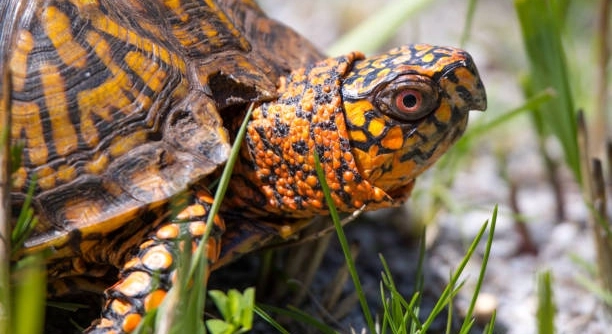
If you’re new to caring for box turtles, it can feel overwhelming. Understanding their needs, diet, and environment is key to providing a happy and healthy life for your pet. Let’s walk through the basics.
Box turtles require a proper habitat, diet, and consistent care to thrive. They need a spacious enclosure, access to UVB light, a balanced diet, and proper humidity levels to stay healthy and active. Regular maintenance and monitoring are essential for their well-being.
Maintaining a suitable environment for your box turtle can ensure they lead a long and healthy life. The following guide covers everything you need to know about caring for your new turtle friend.
Choosing the Right Habitat for Your Box Turtle
Creating the right environment for your box turtle is crucial for its health and well-being. A spacious enclosure is essential, as these turtles need room to explore and stay active. If you’re keeping your turtle indoors, a large tank or a custom-made enclosure with secure walls will work best. Outdoor enclosures are also suitable, as long as they are escape-proof and provide protection from predators. Keep the habitat clean and free of sharp objects that could harm your turtle.
You’ll need to set up proper lighting, heating, and humidity levels in the enclosure. UVB light is essential for your turtle to produce vitamin D3, which helps with calcium absorption and bone health. Place the light above the basking area to allow your turtle to soak up the rays. Additionally, a heat lamp or ceramic heater will help maintain the correct temperature range. Keep one side of the enclosure warmer and the other cooler so your turtle can regulate its body temperature.
Temperature and humidity are just as important as space. Box turtles need humidity between 50% and 70%, depending on the species. You can maintain humidity levels by misting the enclosure regularly and adding a water dish for hydration. Be sure to monitor the temperature and humidity daily to ensure your turtle remains comfortable. Proper environmental conditions will prevent health issues and promote an active lifestyle.
Feeding Your Box Turtle
A balanced diet is key to your box turtle’s health.
Box turtles are omnivores, so their diet should consist of a variety of foods. Include leafy greens, vegetables, fruits, and occasional protein sources such as earthworms, crickets, and small amounts of cooked meats. Avoid feeding your turtle processed foods or those high in sugar. A mix of fresh, whole foods will give your box turtle the nutrients it needs to thrive. You can feed them daily or every other day, depending on their age and activity level.
Providing Proper Shelter and Hiding Spots
Turtles need a place to retreat and feel safe.
In the wild, box turtles seek shelter under logs, rocks, and leaf litter. To mimic this in captivity, offer your turtle hiding spots like small caves, plants, or shelters made from safe materials. These places provide comfort and reduce stress. Make sure the hiding spots are easy to access and large enough for your turtle to fit in.
Providing a sheltered area helps your box turtle feel secure. In addition, it offers a place for your turtle to escape extreme temperatures or bright lighting when they need rest. You can create multiple hiding spots to give them options based on their preferences. A cozy hideaway can reduce anxiety and support natural behaviors. If possible, include some damp areas where your turtle can cool off. This setup makes for a well-rounded and comfortable environment for your pet.
Maintaining Humidity and Temperature Levels
Humidity and temperature need to be consistent for a healthy turtle.
Box turtles thrive in specific temperature and humidity ranges. For most species, daytime temperatures should be between 75°F and 85°F, with a basking area around 90°F. At night, temperatures can drop to around 70°F. As for humidity, it’s important to maintain a level of 50-70% to mimic their natural habitat.
To achieve proper humidity, mist the enclosure daily. You can also add a shallow water dish for your turtle to soak in. Adding live plants to the enclosure will naturally increase humidity while also providing hiding spots. Ensure the habitat remains warm and moist, but avoid making it too wet, as this can cause mold or bacteria growth. Regular monitoring will help keep your box turtle comfortable and healthy.
Bathing and Hydration
Regular bathing is important for your turtle’s health.
Box turtles should be bathed weekly to keep them hydrated and clean. Use lukewarm water in a shallow dish. Let them soak for about 15-20 minutes, ensuring the water isn’t too deep. This practice helps with hydration and encourages them to drink more.
Additionally, always provide fresh water in their enclosure. A shallow water dish will allow them to drink when they need it, and it also gives them the option to bathe as needed. Be sure to change the water daily to keep it clean and free of bacteria.
Handling Your Box Turtle
Handle your turtle gently to avoid stress.
When picking up your box turtle, be sure to support its body evenly to avoid injury. Use both hands to scoop them up, keeping their shell supported. Avoid excessive handling, as it can stress them out and disturb their routine. Keep interactions calm and brief.
FAQ
How long do box turtles live?
Box turtles can live a long time, often reaching 50 years or more with proper care. In the wild, their lifespan might be shorter due to predators and environmental conditions. However, in captivity, with the right habitat, diet, and care, they can live well into their 60s or even 70s. It’s important to provide consistent attention to their needs to ensure a long and healthy life.
What should I feed my box turtle?
A varied diet is essential. Box turtles are omnivores, so they eat a mix of plant matter and animal protein. Offer leafy greens, like dandelion greens or collard greens, as well as vegetables like carrots, squash, and bell peppers. Fruits like berries, apples, and melons can be given in moderation. For protein, feed them earthworms, crickets, and small pieces of cooked chicken. Always avoid processed foods or those high in sugar.
Can box turtles live with other pets?
Box turtles can live with other box turtles, but caution is needed when introducing them to other species. Different species have different needs, and some pets might be too aggressive. For example, if housed with larger animals, your box turtle may get stressed or injured. Always supervise interactions between different species.
How much space does a box turtle need?
Box turtles need a large enclosure, especially if kept indoors. The minimum size for an indoor tank should be 40 gallons, but larger is better. If you’re building an outdoor enclosure, ensure it’s secure and offers plenty of room to roam. A larger space helps your turtle remain active and healthy.
What temperature should I keep my box turtle at?
Box turtles thrive in a temperature range between 75°F and 85°F during the day. The basking area should be between 85°F and 90°F. At night, the temperature can drop to around 70°F. It’s important to have a temperature gradient in their habitat so they can regulate their body temperature. Use a thermometer to monitor the temperature regularly.
Do box turtles need UVB light?
Yes, UVB light is essential for box turtles. It helps them produce vitamin D3, which is crucial for calcium absorption and shell health. Without adequate UVB light, they can develop metabolic bone disease. Provide a UVB bulb over the basking area, and ensure it’s replaced every 6 months as it loses its effectiveness over time.
Can I keep a box turtle outdoors?
Yes, you can keep a box turtle outdoors, but you must ensure the enclosure is secure and safe. It should be predator-proof, with high sides that the turtle cannot climb over. The enclosure should also provide hiding spots, water, and a basking area. Be mindful of the climate, as box turtles are sensitive to extreme cold or heat.
How often should I clean my box turtle’s habitat?
The enclosure should be cleaned regularly to prevent bacteria and mold buildup. Spot clean the habitat every few days, removing uneaten food and waste. Perform a full cleaning every two to four weeks, replacing the substrate, wiping down surfaces, and disinfecting the water dish. Regular cleaning ensures a healthy environment for your turtle.
Why is my box turtle not eating?
If your box turtle is refusing food, it could be due to stress, improper temperature, or illness. Make sure the temperature and humidity levels are correct, as turtles often lose their appetite when conditions are not ideal. Stress from handling or new environments can also cause them to stop eating. If the issue persists, consult a veterinarian to rule out health problems.
Can box turtles swim?
Box turtles can swim, but they are not as adept at swimming as aquatic turtles. They prefer shallow water where they can walk or wade. While they may enjoy a bath or a shallow pond, ensure they have access to land so they can rest and warm up. It’s important not to leave them in deep water where they might struggle to climb out.
How do I handle a sick box turtle?
If you suspect your box turtle is sick, look for signs like lethargy, loss of appetite, or a soft shell. Take your turtle to a veterinarian with experience in reptiles for proper diagnosis and treatment. Keep the turtle in a quiet, warm area while awaiting treatment, and adjust the humidity and temperature as needed. Early intervention is key to recovery.
Do box turtles need supplements?
Yes, box turtles may require calcium and multivitamin supplements, especially if they’re not getting enough through their diet. Dust their food with a calcium powder a few times a week, and consider adding a multivitamin supplement every two weeks. These supplements help prevent nutrient deficiencies and support healthy shell growth.
Why does my box turtle burrow?
Box turtles burrow to find shelter, regulate temperature, and hide from predators. This is a natural behavior, and they may burrow more when stressed or trying to escape extreme temperatures. Ensure your turtle has access to moist areas in the enclosure, as this can help prevent excessive burrowing due to dry conditions.
How can I tell if my box turtle is happy?
A happy box turtle will be active, curious, and eating regularly. It will move around its enclosure, exploring and foraging for food. You may also notice it basking in its light or soaking in water. A healthy shell and vibrant color are also signs of contentment. If your turtle is sluggish, hiding constantly, or not eating, it may indicate a problem that needs attention.
Can I breed box turtles in captivity?
Breeding box turtles in captivity is possible but requires careful consideration. Male and female turtles should be of appropriate size and age for breeding. Their habitat must be large enough to accommodate both. If breeding, it’s essential to mimic their natural cycle, providing proper temperature, humidity, and diet to encourage successful reproduction.
Final Thoughts
Caring for a box turtle requires attention to detail and patience. While they are relatively low-maintenance compared to other pets, their well-being depends on the right environment, diet, and health care. It’s important to set up a spacious and secure enclosure with proper lighting, temperature, and humidity. These factors are essential for your turtle to thrive, so maintaining them consistently is key to their long-term happiness. Regular cleaning and monitoring of their habitat will help prevent health issues and create a comfortable space for your turtle.
In addition to physical care, it’s vital to understand your box turtle’s behavior. Turtles can be shy creatures, so handling them gently and not too often is crucial. Providing hiding spots and safe places to rest will reduce their stress and keep them comfortable. Proper hydration, along with a balanced diet that includes both plant-based and protein-rich foods, will ensure they stay healthy. A well-fed, hydrated, and secure turtle is more likely to live a long and happy life, especially when given the opportunity to explore and move around their environment.
Remember, owning a box turtle is a long-term commitment. These animals can live for decades, so it’s important to be prepared for the years ahead. With the right care, your box turtle can thrive and become a cherished companion. While it may take some time to learn the ins and outs of caring for a turtle, the effort is worth it for the joy and satisfaction of seeing them healthy and active. Regular check-ups with a reptile vet and a continued focus on their needs will ensure that your box turtle remains a healthy and happy member of your household.

Hello,
If you enjoy the content that we create, please consider saying a "Thank You!" by leaving a tip.
Every little bit helps us continue crafting quality advice that supports the health, happiness, and well-being of pets around the world, for pets of all shapes, sizes, and species.
We really appreciate the kindness and support that you show us!