
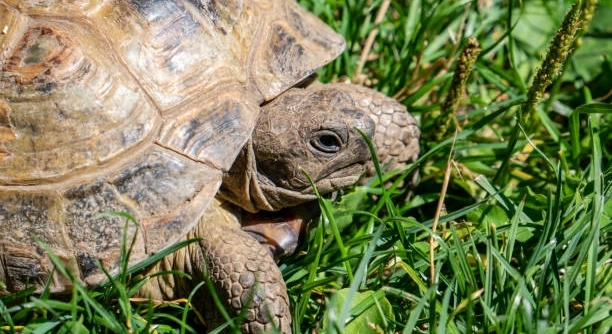
Trimming a box turtle’s nails can seem tricky, but it’s an important part of keeping your pet healthy and comfortable. Nail care is necessary to prevent overgrowth and ensure your turtle can move around without issues.
The best way to safely trim a box turtle’s nails is by using sharp, clean clippers designed for reptiles. Gently hold the turtle and carefully trim the nails, avoiding the quick to prevent bleeding.
Knowing how to safely trim your turtle’s nails will help maintain its well-being. In the next steps, we’ll explain how to do it with ease and confidence.
Why Trimming Your Box Turtle’s Nails Is Important
Regular nail trimming helps box turtles avoid several health issues. Overgrown nails can cause discomfort and make walking difficult, which could lead to injury. Additionally, nails that are too long may get caught in their environment, leading to potential damage or infection. Trimming ensures that your turtle can move freely and comfortably, and it helps prevent the nails from growing too long and curving inward, which can cause more severe problems. Without proper nail care, your turtle may struggle to climb, dig, or walk, affecting its overall health and quality of life.
Properly trimmed nails also reduce the chances of accidental injury during handling. Turtles use their claws to grip surfaces and to dig, so overgrown nails could lead to scratches, especially for pet owners. By keeping the nails at a manageable length, you also reduce the risk of infections or damage to their habitat.
By understanding the importance of nail care, you’re taking a proactive step in ensuring the long-term health of your box turtle. Proper maintenance prevents many common issues and keeps them happier in their environment.
Necessary Tools for Nail Trimming
The right tools make trimming easier and safer. Using sharp, clean clippers or specialized reptile nail trimmers helps prevent injuries.
When selecting the tools for trimming, make sure they are safe for reptiles. Standard human nail clippers may not provide the precision needed for your turtle’s nails, and dull tools could cause unnecessary harm. Instead, look for tools specifically designed for small animals or reptiles, like a small pair of scissor-type clippers or reptile nail trimmers. Always ensure the tools are sharp to avoid crushing the nail, which can cause pain or infection. Cleanliness is also essential to prevent infections from spreading.
In addition to the clippers, you may want to have a styptic powder or cornstarch on hand. In case of an accidental cut to the quick, this will help stop the bleeding quickly. You can also use a towel to gently hold your turtle in place, ensuring its safety and comfort. Having everything prepared ahead of time can make the process smoother and less stressful for both you and your turtle.
Preparing Your Box Turtle for Nail Trimming
Before trimming, make sure your turtle is calm. Handling it gently and keeping it in a quiet environment will help avoid stress. A stressed turtle may become squirmy, making the process more difficult. Start by placing your turtle on a flat surface to keep it steady during the trimming session. It may be helpful to wrap it in a soft towel to keep it still while you work.
Take your time and ensure your turtle is secure. If your turtle starts to move too much, pause and let it settle again. You can hold your turtle’s front legs gently, but avoid gripping too tightly. This will keep it calm and prevent accidents. Having someone help can make it easier, but it’s certainly possible to do it on your own with patience.
By preparing your turtle beforehand, you help make the trimming process safer and less stressful for both of you.
Proper Nail Trimming Technique
When trimming, focus on cutting only the sharp tip of the nail. Avoid cutting into the quick, which is the pinkish area inside the nail. If you trim too far, you may cause bleeding, which can be painful and lead to infection. To prevent this, only trim small amounts of the nail at a time. Look for the translucent area of the nail where the quick ends. The nails are often clear, making it easier to see where to stop.
Make sure to trim each nail carefully, one at a time. Hold the clippers firmly and cut cleanly to avoid cracking or splintering the nail. If you’re unsure where the quick is, it’s better to trim a small amount at a time to be safe. It’s best to trim in natural light or use a bright lamp to see the nail clearly. The more precise your cuts, the safer and more comfortable your turtle will be.
Once you’ve finished trimming, check each nail to ensure it’s smooth and not too short. Keep a close eye on the nails for the next few days, as trimming too short could cause irritation.
Handling Accidental Cuts
If you accidentally cut the quick, it’s important to act quickly to stop the bleeding. Apply styptic powder or cornstarch directly to the cut to help it clot. If you don’t have these products, a clean cloth can help apply gentle pressure to the area.
Avoid panicking, as this can stress both you and your turtle. Most minor cuts will stop bleeding in a few minutes with proper care. If bleeding persists, contact a veterinarian for further advice. It’s always best to be cautious and handle accidents calmly to ensure your turtle’s health remains unaffected.
Aftercare for Your Turtle
After trimming, give your turtle some time to relax and adjust. You may notice it walking differently for a while as it gets used to the new nail length. Watch for any signs of infection, such as swelling or unusual behavior.
Ensure your turtle is kept in a clean environment, as this will help prevent any potential infections from the trimming process. Providing fresh water and a balanced diet can also support the healing process. It may take a day or two for your turtle to fully adjust, but it should return to its normal activity soon.
FAQ
How often should I trim my box turtle’s nails?
How often you trim your box turtle’s nails depends on their activity level and the environment they live in. Typically, you’ll need to trim the nails every few months, but this can vary. If your turtle is active and frequently walking on hard surfaces, the nails may naturally wear down, requiring less trimming. However, if your turtle’s nails grow too long or begin to curl, you’ll need to trim them more often. Regularly checking the length of the nails will help you determine when it’s time for a trim.
Can I use human nail clippers to trim my turtle’s nails?
While human nail clippers can work in some cases, they are not ideal for a turtle’s thick nails. Reptile nail clippers or small, sharp animal clippers are better suited for the job. These tools provide a more controlled cut and are designed to handle the tougher material of a turtle’s nails. Using human nail clippers may lead to jagged cuts or cause discomfort to the turtle. For a clean and safe trim, invest in the right tools designed for reptiles.
What should I do if I accidentally cut the quick?
If you accidentally cut the quick, you should act quickly to stop the bleeding. Apply styptic powder or cornstarch directly to the cut, which helps the blood clot. If you don’t have these, use a clean cloth and apply gentle pressure until the bleeding stops. Stay calm and avoid stressing the turtle, as this could worsen the situation. If the bleeding doesn’t stop after a few minutes, consult a veterinarian for further guidance. Always be careful when trimming to avoid cutting too deep, but knowing how to handle a small accident can give you peace of mind.
Can trimming the nails too short hurt my turtle?
Yes, trimming the nails too short can cause pain and discomfort for your turtle. Cutting into the quick, which is the sensitive pink part inside the nail, can cause bleeding and increase the risk of infection. If the nails are trimmed too short, they may also become sore, making it difficult for your turtle to walk or move comfortably. It’s important to trim only the sharp tips of the nails and avoid cutting too close to the quick. Always trim in small increments and check the nail after each cut to ensure you’re not trimming too much.
What if my turtle’s nails don’t grow very fast?
If your turtle’s nails aren’t growing fast, that’s generally not a cause for concern. Some turtles naturally have slower nail growth, especially if they live in a low-activity environment or spend most of their time in water. Even if the nails are slow to grow, it’s still important to check them regularly for signs of overgrowth. If you notice any issues, such as nails becoming too long or curled, you may need to trim them. Make sure your turtle has a proper diet and environment, as this can influence its overall health, including nail growth.
How do I know when my turtle’s nails need trimming?
You can tell your turtle’s nails need trimming if they appear overly long, sharp, or curled. The nails should be short enough that they don’t cause the turtle discomfort when walking or moving. If you notice your turtle struggling to walk or its nails getting caught in its environment, it’s time for a trim. Regularly inspect the nails and check if they are touching the ground when your turtle is walking. You can also test the nail by gently pressing it with your finger; if it’s sharp or pointed, it’s time to trim.
Can I trim my turtle’s nails myself, or should I take it to a vet?
You can trim your turtle’s nails yourself as long as you have the right tools and take the proper precautions. If you’re confident in your ability to do it safely, it can be a straightforward task. However, if you’re not sure or feel uncomfortable trimming your turtle’s nails, it’s a good idea to take it to a veterinarian. A vet can show you the proper technique and ensure your turtle’s nails are trimmed correctly. If your turtle has special health issues or difficulties with nail care, a professional may be the best option.
Is it safe to trim my turtle’s nails if it’s stressed?
It’s not ideal to trim your turtle’s nails when it’s stressed, as it can make the process more difficult and uncomfortable for both you and your pet. Stress can make the turtle move unpredictably, increasing the risk of accidents. It’s best to wait until your turtle is calm and settled before trimming its nails. Creating a quiet, comfortable environment and handling the turtle gently will help reduce stress. If your turtle seems particularly anxious, take breaks and allow it time to relax before continuing.
What if my turtle’s nails are already too long?
If your turtle’s nails have become too long, don’t worry—just take extra care when trimming them. It’s best to trim small amounts over multiple sessions to avoid cutting too much at once. Gradually shorten the nails, allowing time for the turtle to adjust. Long nails may be more difficult to trim and could cause stress to the turtle, so take your time and proceed carefully. In some cases, it might be helpful to consult a veterinarian, especially if the nails have become severely overgrown or are causing issues with movement.
Trimming a box turtle’s nails is a simple but important task in keeping your pet healthy and comfortable. Regular nail care can prevent overgrowth and ensure your turtle is able to move freely and naturally. It’s essential to monitor the nails, as overgrown or damaged nails can cause discomfort or even lead to injury. By trimming your turtle’s nails at the right time and using the proper tools, you help ensure its well-being and longevity. Even though the task might seem intimidating at first, with the right approach and patience, it can become a routine part of turtle care.
Having the right tools for the job is crucial. A sharp pair of reptile clippers or small animal nail trimmers will provide a cleaner, safer cut compared to regular human nail clippers. It’s also important to be cautious when trimming, always aiming to avoid cutting too deep into the nail. If you’re unsure where the quick ends, it’s best to trim small amounts at a time to prevent any accidental cuts. If the quick is cut by mistake, styptic powder or cornstarch can help stop any bleeding quickly.
Lastly, remember that trimming your turtle’s nails is part of a larger care routine. Besides nail trimming, your turtle needs proper nutrition, a clean habitat, and regular health check-ups. Nail care is just one aspect of maintaining your turtle’s overall health. If at any point you feel unsure or the nails seem problematic, don’t hesitate to consult with a vet. Keeping your turtle comfortable and healthy should always be the priority, and proper nail care is a key step in that process.

Hello,
If you enjoy the content that we create, please consider saying a "Thank You!" by leaving a tip.
Every little bit helps us continue crafting quality advice that supports the health, happiness, and well-being of pets around the world, for pets of all shapes, sizes, and species.
We really appreciate the kindness and support that you show us!