
Managing a box turtle with behavioral issues can be challenging, but it is possible with the right approach. Whether you’re dealing with aggression or stress, understanding their needs is key to addressing their behavior effectively.
Addressing behavioral issues in box turtles begins with creating a stable, stress-free environment. Ensuring the right habitat, diet, and daily routine can reduce anxiety and prevent aggressive behaviors. Regular monitoring and adjustments to their environment play a vital role in managing these issues.
A few simple steps can lead to noticeable improvements in your turtle’s behavior. Understanding their natural instincts and providing a proper routine can help create a peaceful, healthy environment.
Step 1: Assess the Environment
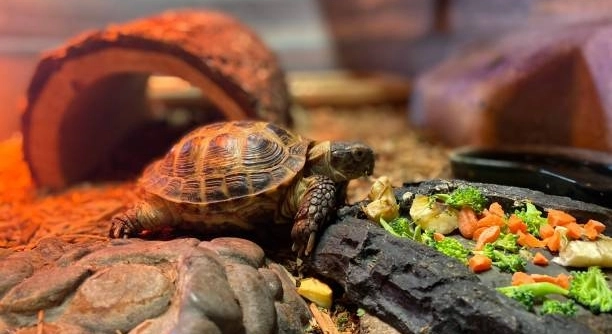
A well-maintained habitat is crucial for a box turtle’s well-being. Inadequate lighting, temperature, or humidity can lead to stress and behavioral problems. Make sure your turtle’s enclosure mimics their natural environment as closely as possible. Provide a space that includes areas for hiding, basking, and access to clean water. The substrate should be safe and comfortable, allowing them to dig and burrow if they choose. The right lighting and heat sources are essential for proper thermoregulation. A comfortable, clean, and safe environment reduces stress and improves overall health, directly impacting behavior.
Ensuring a stable environment will help your turtle feel secure. Regularly check temperature and humidity levels, and clean their habitat to remove waste and potential irritants.
Maintaining your turtle’s enclosure should be a priority, but it also needs to be monitored for changes. Over time, any shifts in behavior can be traced back to something as simple as an overheated basking area or insufficient lighting.
Step 2: Evaluate Their Diet
A balanced diet is another important aspect of managing behavioral issues. Feeding a box turtle a variety of fresh foods helps to maintain good health, but it can also keep them calm. Nutrient deficiencies or feeding the wrong foods can lead to aggression or lethargy. Offer leafy greens, fruits, and occasional protein sources, while avoiding high-fat or processed foods.
A poor diet can lead to frustration, leading to abnormal behaviors. Make sure you provide foods that meet their dietary needs, and monitor their response to various items. Avoid overfeeding to keep their weight healthy.
Just like any pet, box turtles respond to their food intake. Their energy levels and overall behavior are influenced by what they eat. Regularly switching up their diet can keep them engaged and more likely to stay calm.
Step 3: Maintain a Consistent Routine
A consistent routine is essential for a box turtle’s mental and physical well-being. Regular feeding times, cleaning schedules, and interactions help your turtle feel secure. When their routine changes unpredictably, it can cause stress and behavioral problems. Establish a rhythm that they can rely on, allowing them to adapt comfortably.
Box turtles thrive on routine. Establishing consistent feeding times, basking periods, and playtime helps them feel safe in their environment. Any abrupt changes can disturb their sense of security, leading to stress or even aggression. A predictable pattern makes it easier for your turtle to relax and trust you.
A routine is more than just daily tasks—it also involves how you interact with your turtle. Gently and calmly handling them can provide comfort and reduce stress. Over time, your box turtle will become accustomed to these actions, making it easier to manage their behavior.
Step 4: Monitor Social Interaction
Box turtles are naturally solitary animals. Overexposing them to other pets or frequent handling can lead to stress. When possible, limit social interactions with other animals and avoid unnecessary handling. Give your turtle the space they need to feel secure and relaxed.
Social interactions should be limited, especially if your box turtle is showing signs of stress. If you must introduce new animals, do so gradually. Watch for signs of discomfort, such as hiding or defensive behaviors. Understanding these cues will help you prevent potential behavioral issues.
Over time, your turtle will adjust better to its environment if given the proper space. Each turtle is different, so observing their individual preferences is essential. Some turtles may tolerate more social interaction than others, but it’s crucial to respect their boundaries.
Step 5: Provide Proper Enrichment
Box turtles require mental and physical stimulation to stay active and engaged. Without it, they can become bored, which may result in unwanted behaviors. Offer a variety of toys, hiding spots, and climbing opportunities. These activities help reduce stress and keep your turtle active.
Enrichment doesn’t have to be complicated. Simple items like logs, rocks, or even natural plants can provide a variety of textures and surfaces for your turtle to explore. Allowing your box turtle to engage with these elements can keep them mentally sharp and content.
A more enriched environment encourages your turtle to express natural behaviors like foraging and burrowing. These actions prevent restlessness, which could otherwise lead to destructive or repetitive behavior. Regularly change up the environment to keep things interesting.
Step 6: Be Mindful of Temperature and Humidity
Maintaining the correct temperature and humidity is essential for your box turtle’s health and behavior. Fluctuations in these factors can cause stress, leading to aggression or lethargy. Make sure your turtle’s habitat has a suitable basking area and access to cooler zones.
Ensure your box turtle has a range of temperatures to choose from. The basking area should be warm, while the rest of the enclosure should provide a cooler escape. Consistent humidity levels are also important for their overall health. Check regularly to avoid stress-related behavioral issues.
Step 7: Seek Professional Help if Needed
If your box turtle’s behavioral issues persist despite all efforts, it may be time to consult a veterinarian or reptile specialist. Persistent aggression or stress can indicate underlying health problems that need professional attention. Don’t hesitate to seek help.
FAQ
How can I tell if my box turtle is stressed?
Signs of stress in box turtles include hiding frequently, not eating, or displaying aggressive behavior. If they are constantly trying to escape their enclosure, it could also indicate stress. Environmental changes such as incorrect temperature or humidity levels can trigger these responses. Regularly monitor their habitat and observe changes in behavior.
What should I do if my box turtle isn’t eating?
If your box turtle refuses to eat, check its environment first. Ensure the temperature and humidity levels are correct, as they may impact appetite. Try offering a variety of fresh foods to see if they prefer certain items. If the lack of appetite persists, consult a veterinarian to rule out any underlying health issues.
Can I house multiple box turtles together?
Box turtles are solitary creatures by nature and may become territorial when housed together. Introducing two or more box turtles into the same enclosure can lead to fighting or stress. It’s best to keep them in separate habitats, especially if you notice aggressive behavior.
How often should I clean my box turtle’s enclosure?
Cleaning should be done regularly to maintain a healthy environment. Remove waste and uneaten food daily. Perform a thorough cleaning once a week, replacing substrate and disinfecting surfaces. Keeping their habitat clean helps prevent the buildup of harmful bacteria and reduces the risk of illness or stress.
Is it necessary to provide UVB lighting for my box turtle?
Yes, UVB lighting is essential for box turtles to synthesize vitamin D3, which helps them absorb calcium. Without adequate UVB light, your turtle may develop health problems such as metabolic bone disease. Ensure your turtle’s enclosure includes a UVB light source to mimic natural sunlight.
What is the best diet for a box turtle?
A box turtle’s diet should include a mix of leafy greens, vegetables, fruits, and occasional protein like insects or worms. Avoid high-fat or processed foods. A well-rounded diet helps maintain a healthy weight and keeps them active. Regularly vary their food to prevent boredom and ensure balanced nutrition.
How can I help my box turtle shed properly?
Proper humidity and hydration are key to helping your box turtle shed their skin. If their skin appears to be stuck, gently mist their enclosure or soak them in warm water. This will help loosen the skin. Never forcibly remove stuck shed, as it can cause injury.
Why is my box turtle trying to escape?
Box turtles may attempt to escape if they feel stressed or confined. The enclosure may not be large enough, or the environment might be uncomfortable. Ensure your turtle’s habitat meets all their needs, and if they continue to try to escape, check for factors such as temperature or humidity issues.
How do I know if my box turtle is healthy?
Signs of a healthy box turtle include clear, bright eyes, smooth and intact shells, and active movement. They should be alert and responsive to their environment. If your turtle is lethargic, has a dull shell, or exhibits signs of illness, consult a veterinarian.
What should I do if my box turtle is aggressive?
Aggression can be a sign of stress, territorial behavior, or poor health. Make sure your turtle’s environment is comfortable and meets their needs. If aggression continues, avoid unnecessary handling and limit interactions with other animals. Consider consulting a reptile specialist for advice.
How do I handle my box turtle safely?
Always handle your box turtle gently. When picking them up, support their body evenly to avoid stressing them out. Never grab them by the legs or tail. Place them back into their enclosure carefully. Handle them minimally, as box turtles are not social animals and can become stressed.
Can box turtles live for a long time?
Yes, box turtles can live for several decades, with some reaching up to 50 years or more in captivity. Providing the right care and environment is crucial for ensuring they live a long, healthy life. Regularly check their habitat and diet to support their longevity.
Final Thoughts
Managing a box turtle with behavioral issues requires patience and attention to detail. Creating a stable and enriching environment is key to addressing many of the common behavioral challenges. By maintaining consistent routines, monitoring social interactions, and providing proper enrichment, you help your turtle feel secure and more likely to behave well. Proper environmental conditions such as the right temperature, humidity, and lighting also play a significant role in reducing stress and promoting healthy behavior.
Understanding your turtle’s needs and making small adjustments can go a long way in improving its overall well-being. When behavior issues arise, it’s important to approach the situation calmly, observing your turtle for signs of stress or discomfort. Over time, you may notice that with the right care and attention, your turtle will begin to adjust and show fewer signs of aggression or anxiety. Regular monitoring of their health and behavior, as well as offering a variety of food and toys, ensures that their needs are met in a balanced way.
Lastly, if you find that despite your efforts, your box turtle’s behavior doesn’t improve, it may be time to consult a veterinarian. Persistent behavioral issues can sometimes indicate underlying health problems. A professional can help rule out any medical concerns and provide further guidance. By following these steps and remaining attentive to your turtle’s needs, you can help create a positive environment that supports its mental and physical health.

Hello,
If you enjoy the content that we create, please consider saying a "Thank You!" by leaving a tip.
Every little bit helps us continue crafting quality advice that supports the health, happiness, and well-being of pets around the world, for pets of all shapes, sizes, and species.
We really appreciate the kindness and support that you show us!