
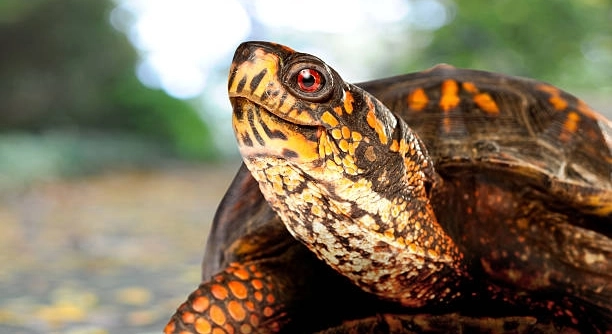
Creating the perfect enclosure for your box turtle involves more than just providing a safe space. It’s an opportunity to create a comfortable, engaging environment. Unique themes can enhance their habitat and your enjoyment.
Choosing an enclosure theme for your box turtle should focus on both functionality and creativity. Incorporating natural elements like plants, rocks, and water features can improve their well-being while making the space visually appealing.
Understanding the importance of habitat design will guide you in selecting the best themes for your box turtle’s environment.
Tropical Rainforest Theme
Creating a tropical rainforest theme for your box turtle’s enclosure brings an exotic feel to their home. You can achieve this by adding a mix of tropical plants, like ferns, palm trees, and moss. This setup mimics their natural habitat and provides hiding spots that make them feel secure. A shallow water dish can also enhance this environment, offering hydration and a place for them to cool off. The humidity level should be monitored closely, as it’s essential for their health. Regular misting of the plants and enclosure will help maintain the right moisture levels.
Maintaining a balanced humidity level is crucial for your box turtle’s well-being. This ensures the proper shedding and digestion process, both of which rely on a humid environment.
The rainforest theme isn’t just about plants and water; it’s also about creating a rich, layered habitat. Incorporate logs and rocks for climbing and basking spots. These structures allow your turtle to explore its space, providing mental stimulation and exercise. The variety of textures helps replicate the complexity of a tropical forest, giving your turtle both a sense of security and freedom to roam.
Desert Theme
A desert theme offers a minimalist approach to your box turtle’s enclosure. Use a mix of sand, rocks, and small cacti to mimic a dry, arid environment. Ensure there are plenty of hiding spots for your turtle, as they may need a retreat from the heat. Keep in mind that box turtles need occasional access to water, even in a desert setup, so provide a shallow dish.
Incorporating temperature control is key in a desert-themed habitat. Place heating elements near one side to create a warm basking area. This will allow your turtle to regulate its body temperature. It’s important to provide areas where they can cool down as well.
The low-maintenance nature of a desert theme doesn’t mean it lacks visual interest. Rocks of different sizes can create natural barriers, encouraging your turtle to explore and climb. A simple, effective setup can enhance both the beauty and function of the enclosure while keeping it easy to maintain. Make sure the environment reflects the needs of your turtle for both comfort and health.
Woodland Theme
A woodland theme is perfect for box turtles, as it replicates their natural forested environment. Use a combination of soil, fallen leaves, branches, and small plants to create a shady, cool space. Include hiding places and a shallow water source to help maintain humidity levels.
Woodland environments offer variety and complexity that box turtles appreciate. You can add logs, rocks, and other natural elements to create a more dynamic space. These features will not only enrich the turtle’s habitat but also provide opportunities for exploration. The plants can range from moss to low-growing shrubs, adding to the aesthetic and practicality of the setup.
This theme also benefits from having a mix of wet and dry zones. Ensure there are areas where the soil stays moist, which will help regulate humidity. These spaces provide your box turtle with more options for retreating, whether they need hydration or warmth. Balancing these elements creates a healthy, engaging environment for your turtle.
Swamp Theme
A swamp theme provides your box turtle with a humid and rich environment. Use moss, wet leaves, and water features like shallow pools to recreate a swampy landscape. Add floating plants for both aesthetic appeal and extra hiding spots. Keep the humidity high and provide plenty of shady areas.
Swamp habitats are perfect for turtles that thrive in moisture-rich surroundings. Make sure to use a filtration system if you add a water feature, as clean water is vital for their health. Proper drainage is also important to avoid excess water buildup, which could cause mold.
Rock Garden Theme
A rock garden theme uses a mix of various rocks to create a natural, rocky environment for your turtle. These rocks can be stacked for climbing, or placed flat for basking. Add plants like succulents for a minimalist touch. Ensure there are plenty of hiding spots.
Rocks provide both exercise and comfort for your box turtle. They can help keep claws filed naturally and encourage exploration. Adding a few low-maintenance plants, like succulents or small ferns, brings some greenery without much upkeep.
FAQ
What type of substrate is best for a box turtle enclosure?
A mix of soil, sand, and coconut coir works well for box turtles. This substrate mimics their natural environment, allowing them to burrow, dig, and explore. It should be kept moist to maintain the proper humidity levels. Avoid using pine or cedar wood chips, as they can cause respiratory issues.
Can I use artificial plants in my box turtle’s enclosure?
Yes, artificial plants can be used in the enclosure, but they should be non-toxic. They can add to the aesthetic of the setup while providing cover and hiding spots for your turtle. However, real plants are always better for maintaining humidity and adding natural benefits.
How often should I clean my box turtle’s enclosure?
You should spot clean your box turtle’s enclosure daily by removing waste and uneaten food. A more thorough cleaning, including replacing the substrate, should be done every 4-6 weeks. Regular maintenance prevents bacteria buildup and ensures a healthy environment for your turtle.
How can I maintain the right humidity in my box turtle’s enclosure?
To keep the humidity level ideal for your box turtle, mist the enclosure regularly, particularly in tropical or swamp-themed setups. Using a humidity gauge will help monitor levels. Ensure there’s a shallow water dish available for drinking and soaking to support hydration.
What temperature should my box turtle’s enclosure be?
Daytime temperatures should range between 75-85°F, with a basking spot reaching up to 90°F. At night, temperatures can drop to 65-70°F. Providing a heat source, like a basking lamp or ceramic heater, helps your turtle regulate body temperature while also offering the right conditions for digestion and overall health.
How much space does a box turtle need in its enclosure?
A box turtle needs plenty of space to roam, so a minimum of 40 gallons is recommended for a single adult. Larger enclosures provide more opportunities for exercise, exploration, and natural behaviors. The enclosure should have a variety of areas for basking, hiding, and soaking.
Can box turtles live together in the same enclosure?
Box turtles are generally solitary creatures and should be housed separately to avoid aggression or territorial disputes. However, some turtles can coexist peacefully in larger enclosures if proper space and hiding areas are provided. It’s crucial to monitor them closely for signs of aggression.
What is the best lighting for a box turtle enclosure?
UVB lighting is essential for your box turtle’s health. It helps them synthesize vitamin D3, which is crucial for calcium absorption and shell health. A full-spectrum UVB bulb should be used for 10-12 hours a day to ensure they get the necessary exposure.
How do I ensure my box turtle’s diet is balanced?
Box turtles are omnivores, so a balanced diet should include a mix of vegetables, fruits, and animal protein. Offer leafy greens, berries, mushrooms, and insects like worms or crickets. Avoid high-calcium or high-phosphorus foods, as they can interfere with calcium absorption.
Can box turtles live outdoors year-round?
Depending on the climate, box turtles can live outdoors year-round, provided they have a proper outdoor enclosure that offers shelter, food, and protection from extreme weather. In cooler climates, they may need to be brought indoors during winter to prevent freezing.
Final Thoughts
Creating a suitable and comfortable enclosure for your box turtle is essential for its health and well-being. There are many ways to design the perfect space, and choosing the right theme will depend on your turtle’s needs and natural habitat preferences. Whether you opt for a tropical rainforest, desert, or woodland setup, the goal is to ensure your turtle has enough space to explore, hide, and bask in safe conditions. Proper humidity, temperature, and lighting are key factors that must be maintained regularly to replicate natural environments effectively.
Understanding the different themes and their benefits allows you to provide a more stimulating environment for your box turtle. Themes such as the swamp or desert offer specific advantages for turtles that enjoy different moisture levels or terrain. Swamp habitats are ideal for those who thrive in humid, water-rich environments, while desert themes offer a dry, low-maintenance option. The addition of rocks, logs, and plants not only enhances the aesthetic appeal of the enclosure but also encourages natural behaviors, such as climbing, digging, and hiding. Offering variety within the habitat gives your turtle opportunities to interact with different elements, promoting a healthy lifestyle.
Ultimately, the most important thing is to observe your box turtle’s behavior and adjust the environment as needed. A well-maintained enclosure will lead to a healthier, happier turtle. Pay close attention to their eating habits, activity level, and overall health to ensure that the setup meets their needs. No matter which theme you choose, make sure that it is a reflection of their natural habitat and offers a comfortable, safe space for them to thrive.

Hello,
If you enjoy the content that we create, please consider saying a "Thank You!" by leaving a tip.
Every little bit helps us continue crafting quality advice that supports the health, happiness, and well-being of pets around the world, for pets of all shapes, sizes, and species.
We really appreciate the kindness and support that you show us!