
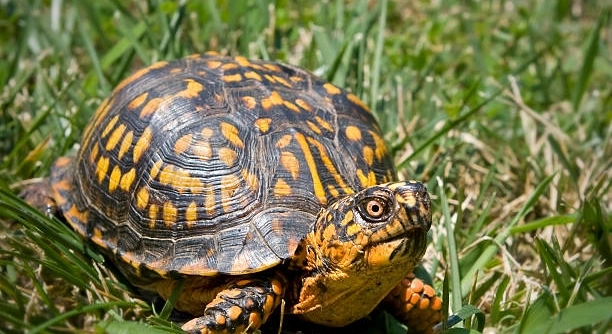
The environment where a species lives plays a crucial role in its survival. Various factors such as climate, food sources, and shelter all impact how animals thrive. Understanding habitat requirements helps in preserving the species and its environment.
A habitat is the natural environment where an organism lives. It includes all the physical conditions and resources necessary for the organism’s survival. These may include air, water, shelter, food, and the right climate for thriving.
Understanding these essential components can help protect habitats and contribute to the overall health of the ecosystem.
Importance of Habitat for Species Survival
A species’ habitat is the foundation for its survival. It provides the necessary conditions for feeding, reproduction, and protection from predators. Without a proper habitat, species may struggle to meet these basic needs, leading to a decline in population and, in some cases, extinction. For example, forest habitats offer shelter and food for various animals, while aquatic habitats provide the resources that fish and other aquatic species need to survive. Understanding how environmental changes can affect habitats is crucial for conservation efforts. This knowledge helps us implement better management strategies to ensure species continue to thrive.
A stable habitat also affects the behavior of species. Animals depend on the consistency of their environment for things like migration, mating, and feeding habits. Any disruption, such as habitat destruction or climate change, can lead to changes in these behaviors, negatively impacting the species.
For instance, animals that rely on a specific temperature range may be forced to move if that range becomes unstable due to climate shifts. The fragmentation of habitats also isolates populations, making it harder for them to find mates or resources. Protecting and restoring habitats is critical not only for individual species but for entire ecosystems. This can be done by creating protected areas, reducing pollution, and restoring damaged habitats to maintain biodiversity and ecosystem functions.
Impact of Climate Change on Habitats
The effects of climate change on habitats are becoming increasingly evident. Rising temperatures and extreme weather events can shift the conditions that species depend on, making some habitats unsuitable.
For instance, coral reefs are dying due to higher ocean temperatures, which affects marine life. Similarly, increasing temperatures in the Arctic threaten species adapted to cold environments. As climate change accelerates, habitats may not be able to adapt quickly enough, endangering many species. This emphasizes the need for urgent action in addressing climate change to protect vulnerable habitats.
Habitat Destruction and Its Consequences
Habitat destruction is a leading cause of species decline. Urbanization, deforestation, and agriculture all contribute to the loss of natural habitats. This destruction leaves animals with fewer places to live, feed, and reproduce.
When habitats are destroyed, animals are often forced to move to new areas, sometimes with little success in finding the resources they need. Fragmentation of habitats also isolates populations, making it difficult for them to thrive or even survive. Without the proper shelter and food sources, species face an increased risk of extinction. Many conservationists believe that habitat restoration is essential to ensure the survival of these species.
Deforestation, for example, has left many species, such as orangutans and tigers, with fewer forests to call home. These animals rely on large, continuous forests for food, shelter, and breeding grounds. As forests disappear, these species are often left struggling to adapt to fragmented areas that cannot sustain them.
Human Impact on Habitats
Human activities are the main drivers of habitat destruction. Industrialization, agriculture, and infrastructure development all contribute to the loss of natural spaces.
The creation of cities and towns often leads to deforestation and the draining of wetlands, while pollution can contaminate water sources. In many cases, habitat loss is directly linked to human actions that alter the environment. Overfishing, for instance, threatens aquatic habitats, leaving fish populations in decline. The expansion of agriculture also leads to the clearing of forests, affecting many species. This destruction creates a cycle that is hard to break, with nature losing its ability to regenerate.
By changing land use and contributing to pollution, human activities are reducing the availability of habitats, which directly affects biodiversity. These impacts are becoming more severe as the global population increases, further emphasizing the need for sustainable practices to preserve the environment and its ecosystems.
Conservation Efforts to Protect Habitats
Conservation efforts aim to prevent habitat destruction and protect biodiversity. These efforts include creating protected areas, wildlife corridors, and restoration projects. Efforts to reduce human impact can also help preserve habitats.
National parks and wildlife reserves are examples of protected areas where habitats are safeguarded. These areas allow species to thrive without the immediate threat of habitat loss. Along with these, wildlife corridors help animals move between fragmented habitats, allowing them to access necessary resources. Such conservation efforts provide critical support for struggling species and maintain healthy ecosystems.
Sustainable Practices to Preserve Habitats
Sustainable practices focus on using resources in ways that do not harm the environment.
One approach is sustainable farming, which limits deforestation and promotes healthy ecosystems. By using eco-friendly techniques, farmers can reduce habitat loss and keep biodiversity intact. For example, agroforestry combines agriculture and trees, allowing for a balanced relationship with nature. This helps protect habitats from destruction and reduces carbon emissions.
Role of Communities in Habitat Protection
Communities play a crucial role in protecting habitats.
Local communities can help by supporting sustainable practices and participating in conservation projects. By raising awareness about the importance of preserving natural habitats, communities can work together to reduce their impact on the environment.
FAQ
What is a habitat?
A habitat is the natural environment where a species lives, including everything it needs to survive. This includes food, water, shelter, and appropriate climate conditions. For animals, this can be a forest, grassland, or ocean. For plants, it can be a specific type of soil or climate. Habitats vary greatly depending on the species and their requirements.
Why is habitat important for survival?
Habitat provides everything a species needs to live. Without the right habitat, animals cannot find enough food or shelter, leading to decreased chances of survival. The destruction of habitats is one of the leading causes of species extinction. Each species is adapted to a specific environment, and any change can be harmful.
How does habitat destruction affect species?
When habitats are destroyed, species lose their homes and may not be able to find a new place to live. This often leads to a drop in population size, as animals struggle to adapt to new environments. Habitat destruction can also isolate species, making it difficult for them to reproduce and thrive.
What are the main causes of habitat destruction?
The main causes of habitat destruction include urbanization, deforestation, pollution, and agriculture. As human populations grow, forests are cleared, wetlands are drained, and natural landscapes are altered to make way for buildings, roads, and farms. These activities result in the loss of natural habitats and the decline of species.
Can habitats recover from destruction?
In some cases, habitats can recover with proper restoration efforts. For example, replanting trees in deforested areas or cleaning up polluted rivers can help restore habitats. However, the recovery process can be slow, and some habitats may not fully recover, especially if the damage is severe.
What role does climate change play in habitat destruction?
Climate change alters the natural environment by increasing temperatures, changing precipitation patterns, and causing extreme weather events. These changes can make some habitats uninhabitable. For example, warmer temperatures can cause coral reefs to die, and altered rainfall patterns can reduce the availability of water for species in dry areas.
How can humans help protect habitats?
Humans can help protect habitats by supporting conservation efforts, such as creating national parks or wildlife reserves. Reducing the use of harmful chemicals, reducing carbon emissions, and promoting sustainable farming and fishing practices are also key ways to protect habitats. Public awareness and involvement in local conservation efforts can make a big difference.
What are protected areas, and how do they help habitats?
Protected areas, such as national parks and wildlife reserves, are areas where human activities are restricted to protect the natural environment. These areas help ensure that species can live and reproduce without the threat of habitat destruction. They also allow ecosystems to function naturally, providing benefits like clean air and water.
What are wildlife corridors?
Wildlife corridors are pathways that connect fragmented habitats, allowing animals to move safely between areas in search of food, shelter, and mates. These corridors are vital for species that require large territories or migrate over long distances. They also reduce the risk of inbreeding by ensuring genetic diversity.
What is sustainable farming, and how does it help habitats?
Sustainable farming uses methods that are environmentally friendly and maintain the health of the land. This includes crop rotation, reduced pesticide use, and agroforestry, where trees are integrated into farming systems. These practices help protect natural habitats by minimizing land degradation and preserving biodiversity.
Why are local communities important in habitat protection?
Local communities play a vital role in habitat protection by engaging in conservation activities, spreading awareness, and supporting sustainable practices. Communities that live close to natural habitats often have a deep understanding of the local environment and can be the first to notice changes that may signal habitat degradation.
What are some examples of successful habitat restoration projects?
There are many examples of successful habitat restoration projects. For instance, the restoration of the Everglades in Florida aims to improve water quality and restore natural wetlands. In the UK, the replanting of hedgerows has helped improve biodiversity and provided a safe habitat for birds and insects.
Final Thoughts
Protecting habitats is crucial for maintaining biodiversity. When habitats are lost or degraded, species face challenges to survive. Whether it’s through deforestation, urbanization, or pollution, habitat destruction reduces the resources that animals and plants need to thrive. It is important to recognize that the balance of ecosystems depends on the health of the habitats they contain. If we continue to harm these environments, we risk losing not only the species that depend on them but also the natural services these habitats provide, such as clean air and water.
Efforts to protect and restore habitats must involve both individual actions and broader policy changes. Individuals can support conservation through simple actions, such as reducing waste, supporting sustainable products, or even volunteering with local environmental organizations. At the same time, governments and organizations must continue to enforce regulations that protect land and water resources. Strategies like creating protected areas, restoring degraded habitats, and reducing the carbon footprint are all necessary steps to help combat habitat loss. Only through coordinated efforts can we hope to maintain the diverse environments that support life on Earth.
Ultimately, the responsibility of habitat protection lies with all of us. By making conscious choices about how we interact with nature, we can contribute to the preservation of habitats for future generations. Whether through supporting sustainable practices, engaging in habitat restoration efforts, or simply becoming more aware of the impact our daily activities have on the environment, we all play a role. The survival of species, both large and small, depends on the habitats that sustain them, and we must act now to protect these environments before it is too late.

Hello,
If you enjoy the content that we create, please consider saying a "Thank You!" by leaving a tip.
Every little bit helps us continue crafting quality advice that supports the health, happiness, and well-being of pets around the world, for pets of all shapes, sizes, and species.
We really appreciate the kindness and support that you show us!