
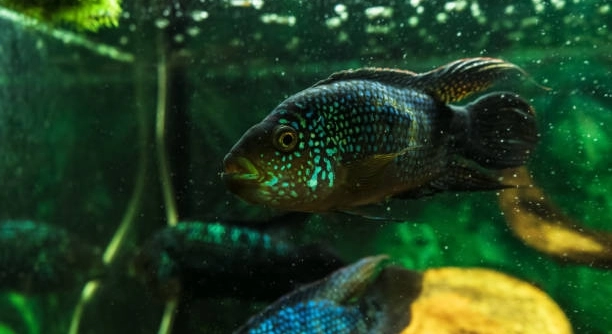
Jack Dempsey fish are known for their vibrant colors and lively behavior, making them a favorite among aquarium enthusiasts. Ignoring their needs can quickly affect their health, mood, and overall well-being in the tank.
When Jack Dempsey fish are neglected, they may exhibit stunted growth, dull coloration, weakened immune systems, and increased aggression. Lack of proper care, feeding, and environmental enrichment directly impacts their physiological health and behavior, often leading to premature death.
Understanding the consequences of neglect helps ensure these fish thrive and maintain their striking appearance and active nature. Proper attention can make a lasting difference in their aquarium life.
Signs Your Jack Dempsey Fish Are Being Ignored
Jack Dempsey fish show clear signs when their care is lacking. One of the first indicators is a loss of vibrant color; their scales may appear dull or faded. They may also become lethargic, spending more time hiding than swimming actively. Appetite changes are common, with fish refusing food or eating less than usual. Aggressive behavior can also develop, as stress makes them more territorial and reactive. Over time, neglected fish may develop physical issues, such as fin rot or abnormal growths. Observing their interactions with tank mates can reveal distress. Sudden changes in swimming patterns, like swimming erratically or resting at the bottom, often indicate discomfort. Water conditions are critical; poor filtration, incorrect temperature, or low oxygen can exacerbate stress and lead to illness. Regular observation is essential to notice these early signs before serious health problems occur. Small adjustments in care can prevent long-term damage and improve their overall well-being.
Early recognition of these signs allows for timely intervention, preventing more severe health issues.
Consistent care, including proper feeding, water maintenance, and monitoring behavior, ensures Jack Dempsey fish remain healthy and visually striking. Paying attention to their environment and interactions with other fish supports their natural behaviors and helps reduce stress. Adjustments like cleaning the tank regularly, providing hiding spots, and maintaining a stable diet can improve mood and physical health. Ignored fish often show a combination of behavioral and physical changes, making it essential to act quickly. Observing their habits daily allows you to identify issues before they escalate. Over time, attentive care fosters longevity, stronger immunity, and vibrant coloration. By addressing neglect promptly, you can restore their vitality and confidence in the tank. Ensuring environmental enrichment, like rocks or plants, provides stimulation and comfort. Balanced feeding and proper tank maintenance also prevent disease and maintain water quality. In sum, small, consistent efforts can dramatically improve the lives of Jack Dempsey fish and prevent the consequences of neglect.
Preventing Neglect in Jack Dempsey Fish
Routine care is the most effective way to prevent neglect. Maintaining clean water and a stable environment is essential.
Setting a consistent feeding schedule ensures they receive proper nutrition without overfeeding. Observing their behavior daily helps detect early signs of stress or illness. Tank maintenance, including water changes and monitoring parameters like pH and temperature, keeps the environment safe and stable. Providing hiding spots and decorations reduces stress and allows natural behaviors. Social interactions with other fish should be monitored to prevent aggression and injury. Using high-quality food supports growth and color, while avoiding sudden changes in diet prevents digestive issues. Enrichment, like gentle rearrangement of tank features, keeps them engaged and active. Proper lighting mimics natural cycles and encourages healthy behavior. Routine health checks, such as inspecting fins, eyes, and scales, catch early signs of disease. Training yourself to recognize subtle changes in swimming patterns or appetite ensures timely response. By combining attentive observation with structured care, Jack Dempsey fish thrive and display their characteristic energy and vibrant appearance.
Common Health Issues from Neglect
Neglecting Jack Dempsey fish can lead to several health problems. Fin rot, cloudy eyes, and slow healing of wounds are common. Stress weakens their immune system, making them more vulnerable to infections and parasites, which can quickly worsen without proper care.
Poor water quality is a major factor in health issues. High ammonia or nitrite levels can damage gills, reducing oxygen intake. Inadequate nutrition leads to stunted growth and faded colors. Chronic stress may cause constant hiding, erratic swimming, and aggression. Untreated diseases can progress rapidly, making recovery difficult. Regular observation, proper feeding, and water maintenance are crucial to prevent these problems and maintain strong, healthy fish.
Behavioral changes often accompany physical health issues. Lethargy, reduced appetite, and social withdrawal are early warning signs. Aggression towards tank mates can indicate stress or discomfort. Tank cleanliness, proper diet, and environmental enrichment help restore balance. Monitoring behavior closely ensures timely intervention and promotes overall vitality in neglected fish.
Environmental Factors Affecting Jack Dempsey Fish
Water temperature and pH levels are critical for healthy Jack Dempsey fish. Sudden fluctuations can cause stress and weaken immunity, making them more prone to disease.
A stable environment reduces stress and supports natural behaviors. Clean water, proper filtration, and consistent temperature prevent illness and maintain vibrant colors. Tank size and decor also impact well-being. Overcrowding increases aggression, while hiding spots provide comfort. Lighting should mimic natural cycles to encourage activity and feeding. Proper substrate and plants create a suitable habitat, reducing stress and promoting exploration. Regular water testing ensures parameters remain within safe ranges.
Neglecting environmental factors has long-term effects. Fish exposed to poor water conditions may develop chronic health issues, including stunted growth, fin erosion, and frequent infections. Stress can cause repeated behavioral problems such as aggression, lethargy, and irregular swimming. Lack of hiding spaces or improper tank setup increases anxiety and reduces natural activity, directly affecting immune function and coloration. Maintaining a stable, enriched environment is essential for overall health. Small adjustments, like adding plants or adjusting water parameters, can prevent serious consequences and help Jack Dempsey fish thrive consistently over time.
Impact of Poor Nutrition
Jack Dempsey fish require a balanced diet for growth and coloration. Skipping meals or offering low-quality food can lead to weakness, faded colors, and slower development. Proper feeding ensures they maintain energy and healthy immune function.
Overfeeding is also harmful. Excess food decomposes in the tank, reducing water quality and increasing the risk of disease. Controlled portions with high-protein pellets, occasional live food, and vegetables support optimal health and vitality for these fish.
Behavioral Changes from Neglect
Neglected Jack Dempsey fish often show unusual behavior. Lethargy, constant hiding, or aggression towards tank mates indicates stress or discomfort. Monitoring these patterns helps identify early problems and allows prompt care adjustments to improve their environment and well-being.
Water Quality and Maintenance
Regular water changes and filtration are essential. Poor water quality can cause illness, stress, and weakened immune systems in Jack Dempsey fish. Maintaining proper parameters ensures a safe, healthy environment.
Social Interactions
Jack Dempsey fish can become aggressive if ignored or stressed. Observing interactions with other fish helps manage tank dynamics and prevent injuries.
FAQ
What happens if I forget to feed my Jack Dempsey fish?
Missing a few meals occasionally may not cause permanent damage, but consistent neglect can lead to malnutrition, faded colors, and lethargy. Their immune system weakens, making them prone to infections. Over time, stunted growth and weakened muscles can occur, reducing overall vitality.
How can I tell if my fish is stressed?
Signs of stress include constant hiding, erratic swimming, loss of appetite, and sudden aggression toward other tank mates. Color may dull, fins may fray, and they might rest at the bottom of the tank more often than usual. Regular observation helps catch these signs early.
Is water quality really that important?
Yes. Poor water quality causes gill damage, stress, and illness. Ammonia, nitrites, and pH fluctuations are dangerous, even if the fish looks fine. Proper filtration, frequent water changes, and monitoring temperature and chemical levels ensure a safe environment and prevent long-term health problems.
What should I feed my Jack Dempsey fish?
A varied diet keeps them healthy. High-protein pellets or flakes, occasional live or frozen foods like bloodworms, brine shrimp, and small insects are ideal. Supplementing with vegetables like spinach or peas helps digestion. Avoid overfeeding to prevent water contamination and obesity.
How often should I clean the tank?
Partial water changes of 20-30% once a week are recommended. Clean the substrate gently to remove uneaten food and waste. Proper tank maintenance prevents disease, keeps water parameters stable, and supports the fish’s energy, color, and immune system.
Can Jack Dempsey fish live with other fish?
They can, but careful selection is important. They are territorial and may attack smaller or passive fish. Choose other robust cichlids or similar-sized species, provide hiding spots, and monitor behavior to prevent injuries and stress. Social structure and tank space affect harmony.
What happens if I ignore water temperature?
Jack Dempsey fish need stable temperatures, typically between 74-80°F. Sudden drops or spikes cause stress, reduce appetite, and weaken immunity. Prolonged exposure to unsuitable temperatures can lead to illness or death. Using a reliable heater and thermometer helps maintain consistent conditions.
How can I improve a neglected fish’s condition?
Immediate actions include improving water quality, offering a balanced diet, adding hiding spaces, and observing behavior. Gradual adjustments prevent additional stress. Regular monitoring ensures recovery, restores energy, and gradually returns color and normal behavior.
What are the most common diseases from neglect?
Fin rot, ich, cloudy eyes, and bacterial infections are frequent. Stress from poor diet, water quality, or lack of space increases susceptibility. Early intervention, proper tank maintenance, and medication when necessary prevent progression and improve survival chances.
How do I prevent neglect in the future?
Set a feeding schedule, maintain water quality, monitor behavior, and provide environmental enrichment. Keeping a checklist for weekly care tasks helps ensure no aspect is overlooked. Consistency reduces stress and promotes long-term health, energy, and vibrant coloration.
Can Jack Dempsey fish recover from severe neglect?
Yes, with prompt care, recovery is possible, though it may take weeks. Focus on clean water, proper nutrition, and safe tank conditions. Monitoring progress and adjusting care gradually restores health, strength, and behavior, though some damage from long-term neglect may be irreversible.
Is tank size important for their well-being?
Absolutely. A minimum of 55 gallons is recommended for a single adult Jack Dempsey. More space reduces aggression, allows normal swimming, and supports proper growth. Overcrowding stresses fish, increases disease risk, and leads to constant territorial conflicts.
How do I know if my fish is getting enough food?
Healthy fish will eagerly eat during feeding but will not leave excess food uneaten. Weight, color, and activity are good indicators. Overfeeding causes water issues, while underfeeding weakens the fish. Observe regularly and adjust portions to maintain optimal health and energy.
Can neglect affect breeding?
Yes. Stressed or malnourished Jack Dempsey fish are unlikely to breed successfully. Poor health reduces fertility, weakens offspring, and may prevent mating behavior. Healthy, well-fed, and unstressed fish are more likely to reproduce and care for eggs or fry effectively.
What signs indicate a fish is recovering?
Improved color, consistent swimming patterns, normal appetite, and calmer interactions with tank mates show recovery. Gradual return of energy and exploration indicates their environment and diet are supporting health. Consistent care ensures continued improvement over time.
Neglecting Jack Dempsey fish can have serious consequences for their health, behavior, and overall well-being. These fish rely on consistent care, including proper feeding, clean water, and a stable environment, to thrive. When ignored, they often display signs of stress, such as lethargy, loss of color, and unusual aggression. Over time, poor nutrition and inadequate tank conditions can lead to stunted growth, weakened immune systems, and susceptibility to disease. Observing their daily habits and maintaining their environment helps prevent these issues. Even small oversights, like inconsistent feeding or failing to check water quality, can accumulate and affect their long-term health. Taking responsibility for their care ensures they remain active, vibrant, and healthy, allowing you to enjoy the full benefits of keeping them in your aquarium.
Proper maintenance and attention to their environment are essential for Jack Dempsey fish. Stable water temperature, regular filtration, and scheduled water changes help keep the tank safe and comfortable. Adding decorations, hiding spots, and plants provides enrichment and reduces stress, allowing the fish to display natural behaviors. Monitoring interactions with tank mates is also important because Jack Dempsey fish are territorial, and conflicts can lead to injury or further stress. Providing a balanced diet with high-protein pellets, occasional live food, and vegetables supports their energy, growth, and immune system. Overfeeding or underfeeding can both harm their health, so portion control and observation are necessary. Consistency in care creates an environment where the fish can thrive, maintain their vibrant colors, and remain active and healthy throughout their life.
Recovery is possible if neglect is recognized and addressed promptly. By improving water quality, offering proper nutrition, and adjusting the tank environment, stressed or unhealthy fish can regain strength and vitality over time. Gradual changes are important to prevent additional stress and allow the fish to adapt. Daily observation of behavior, appetite, and interactions helps track progress and ensures early detection of any recurring issues. Maintaining these practices long-term supports sustained health, reduces the risk of disease, and encourages natural behaviors. Attentive care not only improves their physical condition but also enhances their overall quality of life in the tank. Consistent effort and observation are key to preventing future neglect and ensuring Jack Dempsey fish remain strong, active, and visually striking for years.

Hello,
If you enjoy the content that we create, please consider saying a "Thank You!" by leaving a tip.
Every little bit helps us continue crafting quality advice that supports the health, happiness, and well-being of pets around the world, for pets of all shapes, sizes, and species.
We really appreciate the kindness and support that you show us!