
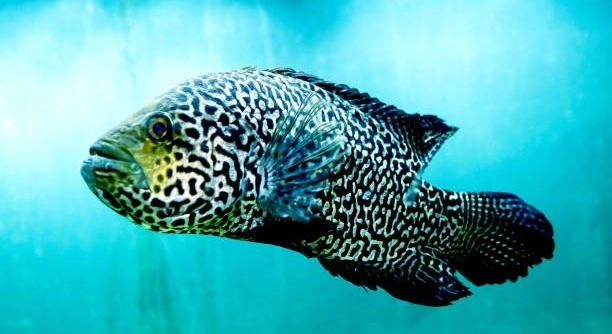
Jack Dempsey fish are popular for their vibrant colors and lively personalities. Many owners notice a sudden shaking or trembling behavior after feeding, which can be surprising or concerning at first glance. Understanding this behavior can ease worries.
The shaking observed in Jack Dempsey fish after eating is typically caused by rapid digestion and the movement of food through their digestive tract. Stress, water temperature fluctuations, and minor irritation in the mouth or gills can also contribute to this trembling.
Knowing why your fish exhibits this behavior helps ensure they remain healthy and comfortable in their environment, allowing you to enjoy their vibrant presence with peace of mind.
Why Jack Dempsey Fish Shake After Eating
After feeding, Jack Dempsey fish often exhibit a noticeable shaking or trembling. This behavior is usually related to the digestive process. As they consume food, their stomach expands, and muscles around the gut work to process it. This movement can cause small, visible shakes in their body. Water temperature also plays a role; cooler water slows digestion, sometimes making trembling more pronounced. Stress or sudden changes in their environment can add to the effect. Overfeeding or feeding too quickly may lead to a similar reaction, as the fish struggles to accommodate larger amounts of food. Additionally, certain types of food, especially live or frozen prey, can temporarily irritate the gills or mouth, prompting brief shakes. Watching their behavior closely can help determine if it’s normal or indicates a problem. Maintaining stable water conditions and feeding appropriate portions usually reduces the shaking over time.
Shaking after eating is mostly normal and linked to digestion, minor stress, or sudden changes in water conditions.
Monitoring feeding habits and adjusting portions helps minimize this behavior, ensuring Jack Dempsey fish remain healthy and active in their tank.
Common Causes of Shaking in Jack Dempsey Fish
Digestive activity is the most frequent reason for shaking. The muscles in the stomach contract to move food through the digestive tract, sometimes causing visible tremors along the body. Stressful conditions, such as sudden loud noises, rapid movements near the tank, or water quality issues, can exacerbate trembling. Temperature fluctuations, even small ones, slow digestion and make shaking more pronounced. Feeding too much or introducing new types of food can irritate their mouth or gills, resulting in temporary shaking. Observation is key to understanding whether the behavior is normal or a signal of health concerns.
Temperature changes, overfeeding, and stress contribute to most post-feeding shakes in Jack Dempsey fish.
Jack Dempsey fish are sensitive to both environmental and dietary factors. Overfeeding leads to digestive strain, while underfeeding can make them overly active, increasing tremors after meals. Maintaining stable tank conditions, including consistent water temperature, proper filtration, and regular water changes, supports healthy digestion. Introducing new foods gradually reduces irritation and allows the fish to adjust without stress. Monitoring their behavior after each feeding helps you notice subtle changes that could indicate illness, gill issues, or internal parasites. Observing the intensity, duration, and frequency of shaking is useful; short, mild tremors are generally harmless, while prolonged or severe shaking may require attention. Proper portioning, calm feeding routines, and quality nutrition contribute to minimizing these shakes, keeping your Jack Dempsey fish comfortable and active. By understanding these factors, you can ensure their overall health and reduce unnecessary worry.
Feeding Habits and Their Impact
Overfeeding is a common reason Jack Dempsey fish shake after meals. Large portions strain their digestive system, causing visible trembling. Feeding smaller, measured amounts reduces stress on their stomach and prevents unnecessary shaking. Consistent feeding schedules also support stable digestion and overall health.
Jack Dempsey fish have strong appetites, but too much food at once can overwhelm them. When they eat rapidly, their stomach expands quickly, making muscles work harder to process food. This extra effort can show as shaking or quivering. Over time, repeated overfeeding may lead to bloating or digestive issues. Feeding smaller amounts slowly allows their system to manage food more efficiently and keeps them calmer after eating. Adjusting portion sizes to the size of the fish is important, especially in community tanks where competition can cause overeating.
Different types of food can also influence shaking. Live or frozen foods may irritate gills or trigger extra activity during feeding. Dry pellets tend to digest more slowly, which can minimize tremors. Rotating food types and offering a balanced diet supports digestive comfort. Watching how each food affects their behavior helps determine the best feeding plan. Maintaining clean water conditions further reduces stress, as poor water quality can amplify shaking. Gradual adjustments in feeding routines lead to healthier, calmer fish.
Environmental Factors That Cause Shaking
Water temperature fluctuations often make Jack Dempsey fish shake more after meals. Consistent temperature is essential for stable digestion and comfort. Sudden changes in light or movement around the tank also contribute to trembling and stress.
Jack Dempsey fish are sensitive to their environment. Even small drops or spikes in temperature can slow digestion, causing noticeable shakes. Rapid changes in lighting or nearby activity may startle them, increasing tremors after eating. Proper filtration and regular water changes help maintain stable conditions, reducing stress. Positioning the tank away from high traffic areas and keeping water parameters consistent ensures that post-feeding shaking remains minimal. Observing how environmental adjustments affect behavior allows you to create a more comfortable habitat.
Stress and Its Role in Shaking
Jack Dempsey fish may shake when stressed. Sudden movements near the tank, loud noises, or frequent disturbances can trigger trembling. Minimizing stressors helps them settle after feeding and reduces unnecessary shaking.
Environmental stress affects digestion and comfort. Fish exposed to constant activity or erratic changes in their surroundings often show more tremors. Providing a calm, stable environment supports their natural behavior and limits post-feeding shaking.
Overfeeding and Portion Control
Consistently giving too much food can overwhelm a Jack Dempsey’s digestive system. Large meals force the stomach to work harder, causing shaking. Feeding smaller portions slowly allows the digestive muscles to process food efficiently, reducing stress on their body and promoting healthier digestion.
Monitoring Health Indicators
Regular observation of your fish’s behavior helps detect potential health issues early. Shaking that persists or becomes severe may signal internal problems or water quality concerns that need attention.
FAQ
Why does my Jack Dempsey shake immediately after eating?
Shaking right after meals is usually related to digestion. As the stomach fills, muscles contract to move food through the digestive tract. This movement can appear as tremors. Overfeeding or rapid eating increases the intensity, and minor irritation from certain foods may add to it.
Is it normal for my Jack Dempsey to shake sometimes after meals?
Yes, occasional shaking is generally normal. Brief tremors often occur when the fish’s body adjusts to the expanded stomach or minor environmental stress. Consistently stable water conditions and proper feeding help reduce this behavior.
Could stress be causing my fish to shake more than usual?
Stress can amplify post-feeding shaking. Loud noises, sudden movements near the tank, or frequent disturbances create tension. Stress slows digestion and can cause tremors. Providing a calm environment and limiting disruptions often helps them remain calmer after eating.
Does water temperature affect shaking?
Absolutely. Jack Dempsey fish are sensitive to temperature changes. Cooler water slows digestion, while sudden fluctuations increase tremors. Maintaining a stable temperature within the recommended range supports consistent digestion and reduces shaking.
Can the type of food make my fish shake?
Yes, different foods can influence shaking. Live or frozen foods may trigger more movement or irritation in the mouth and gills. Dry pellets digest more slowly, producing less noticeable trembling. Rotating foods and offering balanced nutrition promotes comfort.
How can I prevent my Jack Dempsey from shaking too much?
Feed smaller, measured portions to avoid overloading their stomach. Keep water parameters stable, limit sudden changes, and minimize stressors near the tank. Observing their response to feeding routines helps adjust portions and reduce shaking naturally.
When should I worry about shaking?
Persistent, severe shaking may indicate digestive issues, gill irritation, internal parasites, or water quality problems. If shaking continues beyond the normal post-feeding period or is accompanied by unusual behavior, it’s wise to check water conditions and consider consulting a specialist.
Does overfeeding cause long-term issues?
Yes, repeated overfeeding can lead to bloating, slow digestion, and stress. It may also affect water quality due to leftover food. Feeding smaller portions consistently ensures healthier digestion and reduces the risk of long-term problems.
How often should I feed my Jack Dempsey?
Adult Jack Dempsey fish do well with one or two meals per day. Juveniles may require more frequent feeding but in smaller amounts. Consistent schedules help regulate digestion and reduce post-feeding trembling.
Can tank setup affect shaking?
Yes. Strong currents, inadequate hiding spots, or high traffic near the tank can increase stress and tremors. Creating a stable, calm environment with proper filtration and hiding areas helps the fish feel secure and minimizes shaking after meals.
Is shaking after feeding a sign of illness?
Not always. Short, mild shaking is often normal. Persistent or severe tremors, lethargy, loss of appetite, or abnormal swimming patterns may indicate illness. Monitoring overall behavior is important to distinguish normal post-feeding shaking from health concerns.
Can water quality impact shaking?
Poor water quality is a major factor. High ammonia, nitrite, or nitrate levels can stress fish and contribute to shaking. Regular water changes, proper filtration, and testing water parameters are essential to maintain healthy conditions.
Should I change the type of food if my fish shakes a lot?
If shaking increases with certain foods, switching to a gentler option, such as high-quality dry pellets or softened food, may help. Gradually introducing new foods prevents stress and irritation. Observing behavior after feeding helps identify the best diet for comfort.
How long should shaking last after feeding?
Normal post-feeding shaking usually lasts a few minutes as the fish’s digestive system adjusts. Extended or intense shaking may indicate overfeeding, stress, or water issues. Keeping track of timing helps identify patterns and adjust care routines.
Can juvenile Jack Dempsey fish shake differently than adults?
Yes, juveniles tend to be more active and may show more noticeable shaking after eating due to faster metabolism and higher energy levels. Adults shake less often but can still tremble if overfed or stressed.
What role does tank size play in shaking?
Smaller tanks can increase stress because of limited space and higher sensitivity to water changes. Providing adequate space reduces stress, allows comfortable movement, and may lower post-feeding shaking.
Is it okay if my fish shakes after live food?
Yes, live food can trigger temporary shaking due to excitement or minor gill irritation. As long as shaking is brief and the fish resumes normal behavior, this reaction is usually harmless.
Are there signs that shaking is related to disease?
Persistent tremors combined with loss of appetite, clamped fins, abnormal swimming, or discoloration may indicate illness. Promptly checking water conditions and seeking advice from an experienced aquarist or veterinarian is recommended.
Can stress from tankmates contribute to shaking?
Yes, aggressive or territorial tankmates can cause stress and trembling after feeding. Providing hiding spots, monitoring interactions, and separating aggressive fish helps reduce post-meal shaking and promotes a calmer environment.
Does feeding frequency affect shaking?
Yes, irregular feeding schedules can cause digestive stress and tremors. Consistency supports smooth digestion and reduces the likelihood of shaking after meals. Adjusting frequency and portion size helps maintain comfort and health.
How can I tell normal shaking from a serious problem?
Short, mild shaking that resolves within minutes is generally normal. Severe, prolonged shaking, paired with unusual behavior or signs of illness, requires closer observation, water testing, and possibly professional advice. Tracking patterns helps determine if intervention is needed.
Can supplementing diet reduce shaking?
Balanced diets with vitamins and nutrients support digestion and reduce stress-related shaking. Occasional supplementation, if recommended, can improve overall health and make post-feeding tremors less frequent.
Is shaking more common after frozen food?
Frozen food may trigger temporary irritation or excitement, resulting in mild shaking. Proper thawing and portion control reduce the intensity of this reaction. Observing your fish’s response ensures feeding methods are safe and comfortable.
Does tank placement affect post-feeding shaking?
Yes, tanks in high-traffic areas or near sudden light changes can cause stress-induced trembling. Placing the tank in a quiet, stable area reduces environmental stress and helps fish remain calm after meals.
Can multiple factors combine to cause shaking?
Absolutely. Overfeeding, stress, temperature fluctuations, food type, and water quality often interact. Addressing each factor systematically creates a healthier environment and minimizes post-feeding trembling.
Are some Jack Dempsey fish more prone to shaking?
Individual temperament varies. Some fish are naturally more sensitive or energetic and may shake more after meals. Observing patterns in each fish helps tailor care to reduce stress and maintain comfort.
How can I track shaking patterns?
Keep a feeding log noting portion size, food type, tank conditions, and shaking intensity. Tracking patterns helps identify causes and allows for adjustments to improve comfort and digestion over time.
Can feeding smaller, more frequent meals help?
Yes, splitting daily portions into smaller feedings reduces digestive strain and can lessen post-meal shaking. This method is particularly helpful for juveniles or fish that are prone to tremors after larger meals.
Is shaking after feeding a temporary behavior?
In most cases, yes. As digestion completes, trembling stops. Persistent shaking may indicate environmental stress, overfeeding, or health issues. Monitoring duration and intensity ensures the behavior remains within normal limits.
Does tank decoration influence shaking?
Yes, plants, rocks, or hiding spots provide security. A well-decorated tank reduces stress, helps fish feel safe, and minimizes shaking caused by environmental anxiety.
Can introducing new fish affect shaking?
Yes, new tankmates create stress until the fish adjust. During this period, post-feeding shaking may increase. Gradual introductions and observing interactions help maintain calm behavior and reduce tremors.
Does water flow impact shaking?
Strong currents or sudden water movement can startle fish, especially after eating. Gentle flow and consistent circulation reduce stress-induced shaking and help maintain normal behavior after meals.
Are certain ages more sensitive to shaking?
Juveniles and young adults often show more noticeable tremors due to higher metabolism. Older fish shake less frequently but may be affected by environmental changes or overfeeding. Monitoring each age group helps prevent unnecessary stress.
How long should I observe before changing feeding habits?
Track behavior over several days to identify patterns. Adjust portions, food type, or feeding frequency only after consistent observations to ensure changes address the root cause of shaking.
Does shaking indicate pain in Jack Dempsey fish?
Not usually. Shaking after eating is typically related to digestion, stress, or minor irritation. Persistent, severe, or accompanied by unusual behavior may suggest discomfort, and water conditions or health checks should be considered.
Can keeping a calm environment prevent shaking?
Yes, reducing stress through stable water conditions, minimal disturbances, and proper tank placement significantly lowers post-feeding tremors, allowing fish to digest food comfortably and maintain normal activity.
Is monitoring water parameters enough to reduce shaking?
It is essential but not sufficient alone. Proper feeding, portion control, environmental stability, and stress reduction together create conditions where shaking is minimized and fish remain healthy.
Are some foods safer than others to reduce shaking?
Dry pellets and softened foods are generally gentler on digestion and reduce post-feeding tremors. Rotating foods and observing fish reactions helps identify the most comfortable diet.
Does shaking affect long-term health?
Occasional, mild shaking is harmless. Frequent or severe tremors caused by stress, overfeeding, or poor water conditions may affect health over time. Proper care reduces risks and supports long-term well-being.
How can I help my fish feel comfortable during feeding?
Provide small portions, maintain stable water conditions, minimize disturbances, and observe responses. These practices reduce stress, support digestion, and lower the likelihood of post-feeding shaking.
Are there visual signs that shaking is diet-related?
Rapid tremors after large meals or certain foods often point to digestive strain. Observing which foods trigger shaking helps adjust feeding practices for better comfort.
Can frequent water changes prevent shaking?
Yes, clean, stable water reduces stress and supports digestion. Maintaining optimal water quality minimizes post-feeding tremors and promotes overall health.
Does tank size influence shaking behavior?
Larger, well-structured tanks provide space and hiding areas, reducing stress-induced shaking. Crowded or small tanks may increase tremors, especially after meals.
How long should I continue observing post-feeding shaking?
Track behavior over weeks to notice trends. Short-term shaking is normal, but persistent or worsening tremors require attention to diet, environment, or health.
Can shaking signal nutritional deficiencies?
Occasionally, imbalanced diets may affect digestion and energy levels, leading to mild tremors. Providing varied, nutrient-rich foods supports overall health and minimizes shaking.
Does tank lighting affect shaking?
Sudden changes in lighting can startle fish and trigger shaking. Consistent, gentle lighting helps maintain calm behavior, particularly after meals.
Can shaking be linked to internal parasites?
Yes, prolonged or severe shaking combined with appetite changes or weight loss may indicate parasites. Monitoring symptoms and water conditions helps detect and address potential issues early.
Are there long-term strategies to reduce shaking?
Yes, consistent feeding, portion control, stable temperature, minimal stress, clean water, and balanced diet together help maintain calm behavior and minimize post-feeding trembling over time.
Is observing behavior enough to keep fish healthy?
Observation is crucial, but it works best alongside proper care practices. Monitoring feeding, water quality, environment, and stressors ensures long-term health and reduces shaking incidents.
Can adding hiding spots reduce post-feeding shaking?
Yes, providing plants, rocks, or other shelters helps Jack Dempsey feel secure, reducing stress and minimizing tremors after meals.
Does shaking affect activity levels?
Mild post-feeding shaking usually doesn’t impact normal activity. Severe or prolonged tremors may temporarily reduce movement, signaling environmental or dietary issues that need attention.
Is shaking more common in new tanks?
Yes, newly established tanks can stress fish due to fluctuating water parameters. Shaking may be more pronounced until the environment stabilizes. Regular monitoring and adjustments help reduce this effect.
Can proper acclimation prevent shaking?
Gradual acclimation to new tanks, water, or foods reduces stress, helping digestion proceed smoothly and minimizing post-feeding trembling.
Does tankmate behavior influence shaking?
Yes, aggressive or overly active tankmates can stress Jack Dempsey fish, increasing post-feeding tremors. Observing interactions and providing hiding spaces helps reduce this effect.
Are there signs that shaking is harmless?
Short duration, mild intensity, normal appetite, and typical swimming patterns generally indicate harmless post-feeding shaking, often related to digestion and temporary environmental factors.
Can feeding at consistent times reduce shaking?
Yes, a routine feeding schedule helps regulate digestion and reduces stress, which minimizes tremors after meals.
Does water hardness or pH affect shaking?
Extreme or fluctuating pH and hardness can stress fish, impacting digestion and increasing post-feeding shaking. Maintaining stable parameters supports comfort and reduces tremors.
Can shaking be part of normal behavior?
Yes, mild shaking after eating is common as the digestive muscles work. Monitoring patterns ensures it remains within normal limits without indicating a health problem.
Should I consult a specialist if shaking persists?
Persistent or severe shaking, especially with other symptoms, warrants consulting an experienced aquarist or veterinarian to rule out health issues and ensure proper care.
Can temperature control devices help reduce shaking?
Yes, heaters, chillers, or thermostats that maintain stable water temperature prevent stress-related tremors and support smooth digestion in Jack Dempsey fish.
Are there preventative measures for shaking?
Yes, stable environment, proper portioning, consistent feeding, calm surroundings, balanced diet, clean water, and secure tank setup together minimize post-feeding shaking.
Does shaking indicate excitement or stress?
It can be both. Mild, brief shaking is usually digestion-related, while intense or prolonged tremors often signal stress, environmental changes, or dietary issues.
Can observation logs improve care?
Yes, tracking feeding, behavior, water conditions, and tank interactions helps identify causes of shaking and guides adjustments to improve health and comfort.
Are there simple ways to calm fish after feeding?
Providing quiet, stable conditions, limiting disturbances, and feeding smaller portions promotes calm digestion and reduces post-meal shaking.
Does shaking interfere with growth?
Mild, occasional shaking does not affect growth. Persistent tremors due to stress, overfeeding, or poor water quality may impact overall health if left unaddressed.
Is shaking less common in adult fish?
Yes, adults usually shake less than juveniles. They have slower metabolism and are better adapted to digestion, though environmental factors can still trigger tremors.
Does tank maintenance frequency influence shaking?
Regular water changes and cleaning maintain optimal conditions. Poor maintenance can stress fish and increase post-feeding shaking, while consistent care supports calm behavior.
Can shaking indicate dietary imbalance?
Yes, improper nutrition can affect energy, digestion, and overall comfort, leading to mild tremors. Balanced, nutrient-rich diets reduce the likelihood of post-feeding shaking.
Are mild shakes ever a sign of normal activity?
Yes, short, low-intensity shakes immediately after eating are often just the body adjusting to digestion and are generally harmless.
Does feeding order matter in community tanks?
Feeding aggressive fish first or separating meals can reduce competition and stress, which in turn minimizes post-feeding shaking for Jack Dempsey fish.
Can supplements help digestion and reduce shaking?
Occasionally, vitamin or mineral supplements improve digestive efficiency and reduce stress-related tremors, but they should be used carefully and sparingly.
Are live plants beneficial for reducing stress?
Yes, live plants provide hiding spots and create a more natural environment, helping fish feel secure and reducing shaking caused by environmental stress.
Does feeding speed affect shaking?
Rapid eating can strain the stomach and digestive muscles, causing tremors. Slower, controlled feeding reduces post-meal shaking and supports healthy digestion.
Can changing tank location reduce shaking?
Placing the tank in a quiet, stable area with minimal disturbances lowers stress, helping fish remain calm and minimizing post-feeding tremors.
Does shaking indicate excitement over food?
Sometimes mild shaking occurs when the fish is actively feeding or reacting to new food. This is generally normal and subsides once digestion begins.
Is observation the best tool for preventing shaking?
Yes, careful monitoring of behavior, diet, water conditions, and stressors allows you to identify causes and implement changes that minimize post-feeding shaking.
Does shaking vary between individual fish?
Yes, temperament, age, metabolism, and sensitivity all play roles. Some fish may shake more than others, even under similar conditions.
Can post-feeding shaking be completely prevented?
Not entirely, as some trembling is natural during digestion. Proper feeding, stable environment, and minimal stress reduce its frequency and intensity significantly.
Are there environmental setups that reduce shaking?
Stable temperature, calm water flow, hiding spots, proper tank size, and quiet surroundings all help maintain calm behavior and minimize tremors after meals.
Does the time of day affect shaking?
Fish may react differently depending on activity levels and environmental conditions. Feeding during calm periods reduces stress-induced shaking.
Can shaking indicate illness in combination with other symptoms?
Yes, if tremors occur with loss of appetite, abnormal swimming, discoloration, or lethargy, it may signal illness, requiring water checks or professional advice.
Does consistent feeding reduce shaking?
Yes, regular feeding schedules help regulate digestion, reduce stress, and minimize post-meal tremors over time.
Is shaking after eating a temporary or permanent behavior?
In most cases, it is temporary and resolves after digestion. Persistent shaking requires assessment of diet, water quality, and environmental conditions.
Does tank enrichment help reduce shaking?
Yes, decorations, hiding spots, and appropriate tank layout provide security, reduce stress, and help Jack Dempsey fish remain calm after feeding.
Can water testing prevent shaking?
Regular testing ensures optimal conditions, preventing stress-related tremors and promoting healthy digestion in Jack Dempsey fish.
Are there differences between wild-caught and tank-bred fish regarding shaking?
Wild-caught fish may be more sensitive to environmental changes and stress, potentially showing more shaking initially. Tank-bred fish often adapt faster to stable conditions.
Does shaking after feeding affect social behavior?
Mild shaking usually does not. Severe or prolonged tremors caused by stress may temporarily affect interactions with tankmates.
Can feeding technique influence shaking?
Yes, scattering food evenly, feeding slowly, and avoiding overcrowding help reduce stress and post-feeding tremors.
**Does water hardness
Jack Dempsey fish are fascinating and lively creatures that bring color and activity to any aquarium. Observing them shake after eating can be surprising, but it is often a normal part of their digestive process. Their bodies work hard to process food, especially when portions are large or meals are eaten quickly. Small tremors immediately following feeding are usually harmless and simply reflect how their digestive muscles are adjusting. Paying attention to portion sizes, feeding schedules, and the type of food offered can make a noticeable difference in reducing these shakes. Over time, understanding their eating patterns helps create a calm and healthy environment that supports their natural behavior.
Environmental factors also play a significant role in post-feeding shaking. Jack Dempsey fish are sensitive to water temperature, light changes, and surrounding activity. Sudden fluctuations in temperature can slow digestion, while loud noises or movement near the tank may startle them. Stable water parameters, consistent temperature, and a quiet, secure tank area help minimize stress and allow the fish to settle more quickly after meals. Tank setup, including hiding spots and proper filtration, contributes to a comfortable space where they feel safe. Maintaining clean water through regular testing and water changes is equally important, as poor water quality can increase tremors and affect overall health.
Observing the behavior of your fish over time is the best way to determine what is normal and what may require attention. Brief, mild shaking after feeding is often nothing to worry about, but persistent or severe tremors can indicate stress, overfeeding, dietary issues, or potential health concerns. Monitoring their reaction to different foods, feeding amounts, and environmental conditions allows you to make adjustments that improve their comfort and well-being. With proper care, consistent feeding routines, and attention to environmental stability, Jack Dempsey fish can thrive while minimizing unnecessary post-feeding shaking. Understanding these factors ensures they remain healthy, active, and vibrant in your aquarium for years to come.

Hello,
If you enjoy the content that we create, please consider saying a "Thank You!" by leaving a tip.
Every little bit helps us continue crafting quality advice that supports the health, happiness, and well-being of pets around the world, for pets of all shapes, sizes, and species.
We really appreciate the kindness and support that you show us!