
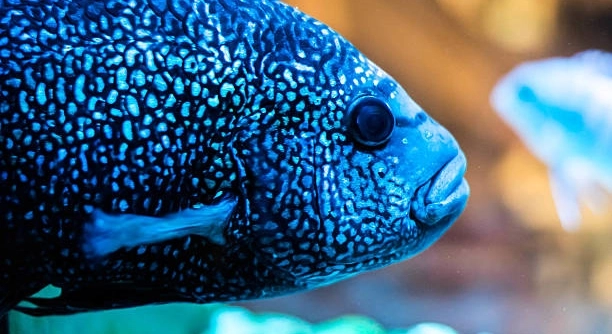
Have you ever noticed your Jack Dempsey fish snapping at air bubbles in the aquarium? These fish are known for their bold personalities and strong reactions. Watching them interact with their surroundings can be both entertaining and surprising.
Jack Dempsey fish snap at air bubbles primarily due to instinctive predatory and territorial behaviors. The bubbles resemble small moving objects or intruders, prompting the fish to react defensively and assert dominance within their tank environment.
Understanding this behavior can help you maintain a peaceful tank and create a better home for your Jack Dempsey fish.
Common Triggers for Snapping at Air Bubbles
Jack Dempsey fish often react strongly to small movements in their tank, and air bubbles are no exception. These fish are naturally territorial, and anything unusual in their environment can catch their attention. Air bubbles rise unpredictably, and their shimmering surfaces may resemble tiny prey. Even if the tank is quiet and calm, these movements can provoke snapping. Overhead lights reflecting on bubbles or filter activity can make the effect stronger. Fish may leap toward bubbles or nip at them repeatedly. The behavior is not harmful in moderation, but constant snapping may indicate stress or high territorial instincts. Observing the timing and frequency of this behavior helps determine whether it is natural curiosity or a reaction to environmental stressors. Adjusting bubble output or changing water flow can reduce excessive snapping. Keeping decorations and hiding spots available can also make the fish feel more secure and less likely to react aggressively.
Monitoring tank conditions and bubble activity can prevent excessive stress for your fish.
Bubbles are not dangerous, but the fish’s reaction is a natural way to interact with their surroundings. Proper tank setup and placement of bubble sources can help minimize frequent snapping.
How Tank Conditions Affect Behavior
Tank size and decoration placement directly influence how Jack Dempsey fish respond to air bubbles.
Smaller tanks limit swimming space, increasing territorial behavior. Objects in the tank can redirect attention, making fish more reactive to nearby bubbles. Uneven water flow or strong filtration can create extra bubbles and movement, causing repeated snapping. Water clarity and temperature also play roles. Clear water makes bubbles more visible, while temperature shifts can make fish more active or irritable. Overcrowding with other fish heightens competition for territory, making snapping at bubbles more likely. Providing hiding spots and visual barriers allows the fish to feel secure, reducing unnecessary aggression. Careful observation helps identify patterns, ensuring the tank environment supports natural behavior without constant stress. Adjusting tank conditions gradually can calm fish and promote healthy interactions.
By arranging the tank thoughtfully and controlling bubble intensity, you can create an environment where Jack Dempsey fish feel confident yet relaxed, reducing unnecessary snapping and helping them thrive in a balanced aquarium.
Adjusting Air Flow and Bubble Sources
Too strong an air flow can trigger constant snapping. Lowering the bubble output helps reduce agitation. Positioning air stones away from heavily used areas can also limit unnecessary reactions. Gentle streams keep the tank calm while still providing oxygenation.
Controlling bubble intensity directly affects Jack Dempsey fish behavior. Strong currents push bubbles unpredictably, making them look like moving prey. Fish may snap repeatedly, leading to stress over time. By adjusting air pumps or adding diffusers, the bubbles rise more gently, appearing less threatening. Observation is key—watch how your fish respond to changes. If snapping decreases, the environment is better suited to their comfort. Simple adjustments can prevent constant overreaction and make tank life calmer.
Placement of bubble sources matters as much as intensity. Bubbles near decorations or hiding spots can provoke snapping, while spacing them evenly across the tank allows fish to navigate without feeling threatened. Using multiple smaller air stones rather than one large output can distribute bubbles naturally, reducing attention on a single area. Additionally, adjusting the direction of the air flow avoids creating strong currents against walls or plants. This subtle change can transform the tank environment, encouraging normal movement and feeding behaviors. Watching reactions after adjustments ensures the setup supports calm, confident behavior, and limits unnecessary snapping.
Environmental Enrichment and Comfort
Hiding spots and decorations reduce stress-related snapping and provide security.
Jack Dempsey fish react less to bubbles when they have safe areas. Plants, rocks, or caves allow them to retreat and feel in control of their territory. Without enrichment, fish feel exposed, leading to constant snapping at any movement. Observing their preferred hiding spots helps place bubbles where they are less likely to trigger aggression. Natural textures and varied spaces mimic their instinctual environment, promoting calm behavior. Providing choices gives the fish control over interactions with moving objects, including air bubbles. Proper enrichment supports mental stimulation, physical activity, and reduces unnecessary reactions to harmless stimuli.
Environmental enrichment also encourages exploration and reduces boredom. When tanks are bare, fish may focus excessively on minor disturbances, like rising bubbles. Introducing varied décor creates a layered environment where fish can establish territories naturally. This territorial organization minimizes conflict and allows them to interact with their surroundings in a more measured way. Plants or rocks positioned strategically can divert attention from bubble paths, lowering stress levels. Even subtle enrichment, like floating structures or smooth substrate changes, provides visual interest. Enrichment not only reduces snapping but encourages natural swimming patterns and feeding behaviors. A well-arranged environment balances stimulation and security, making Jack Dempsey fish calmer, healthier, and more confident in their space.
Feeding and Bubble Behavior
Jack Dempsey fish often snap at bubbles near feeding times. The bubbles can resemble small food items, triggering a quick strike. Adjusting feeding schedules helps separate snack time from bubble activity, reducing unnecessary snapping.
Observing reactions during feeding can help determine if snapping is linked to hunger. Fish may mistake rising bubbles for prey when their appetite is high. Providing regular meals at consistent times can reduce this confusion. Separating feeding areas from strong bubble streams prevents associating bubbles with food. Overfeeding, however, can create excess activity and aggression. Balanced feeding and careful placement of air stones help the fish focus on actual food rather than harmless bubbles.
Tank Mates and Social Dynamics
Other fish in the tank influence Jack Dempsey behavior. Aggressive or fast-moving species increase territorial snapping.
Monitoring Stress Levels
Consistent snapping may indicate stress. Check water quality, temperature, and social environment to keep fish calm and healthy.
FAQ
Why does my Jack Dempsey snap at bubbles more than other fish?
Jack Dempsey fish are naturally more territorial and aggressive than many other freshwater species. Their instinct to protect their space makes them react strongly to anything unusual in the tank. Bubbles mimic small moving objects or potential intruders, which triggers snapping. Unlike calmer fish, they will respond immediately and repeatedly to these stimuli. Observing their reaction patterns helps distinguish normal behavior from stress. In most cases, snapping is a natural response rather than a sign of illness, especially when water quality and tank conditions are stable.
Can excessive snapping harm my Jack Dempsey?
Frequent snapping itself is not usually harmful, but it can be a sign of stress or environmental discomfort. Constant overreaction may increase energy expenditure and leave fish more susceptible to fatigue or minor injuries. Stress from poor water quality, overcrowding, or lack of hiding spots can make snapping worse. Adjusting bubble intensity, providing hiding spaces, and maintaining stable tank conditions reduce stress. Monitoring the fish regularly allows you to detect any changes in behavior before physical health is affected. In most cases, proper tank management keeps snapping harmless and temporary.
How can I reduce snapping without removing air bubbles entirely?
The key is controlling bubble intensity and placement. Use smaller air stones or add diffusers to create gentle bubbles. Position them away from high-traffic areas, hiding spots, and feeding zones. Reducing water flow or changing the direction of bubbles can make them less threatening. Spacing multiple small bubble sources throughout the tank avoids overwhelming a single area. Gradual changes allow the fish to adapt without feeling provoked. Observing their behavior after adjustments ensures the setup supports calm interactions with bubbles while still maintaining proper oxygenation.
Does tank size affect how often my fish snaps at bubbles?
Yes, smaller tanks limit swimming space and increase territorial behavior. In cramped environments, fish feel more exposed, making them react to every minor disturbance. Larger tanks provide space to establish separate territories and reduce constant snapping. Proper tank size also helps distribute bubbles more evenly and reduces direct confrontation with moving air. Decorations, plants, and hiding spots in any tank size can also influence how often fish respond to bubbles.
Will adding more decorations help reduce snapping?
Adding rocks, plants, or caves provides visual barriers and safe spaces for Jack Dempsey fish. These elements break up the line of sight and reduce stress. With hiding spots available, fish can retreat rather than react to every bubble. Strategic placement of decorations can redirect attention and limit unnecessary snapping. Decorations also mimic their natural environment, encouraging calm behavior, normal swimming patterns, and less aggression toward harmless stimuli like bubbles.
Are certain water conditions linked to increased snapping?
Poor water quality, incorrect temperature, and strong currents can make Jack Dempsey fish more reactive. Clean, stable water with moderate flow reduces agitation. Temperature consistency supports normal activity levels, preventing overexcitement that might lead to snapping. Monitoring parameters such as ammonia, nitrate, pH, and temperature helps maintain a healthy environment. Adjusting filters, air stones, and circulation patterns ensures bubbles don’t provoke unnecessary reactions. Proper tank maintenance supports calm, natural behavior and minimizes stress-related snapping.
Do tank mates influence bubble snapping behavior?
Yes, other fish in the tank impact Jack Dempsey behavior. Aggressive, fast-moving, or competitive species can increase territorial instincts, leading to more snapping at bubbles. Peaceful tank mates and adequate spacing reduce stress. Avoid overcrowding, and provide separate territories for each fish. Observing social interactions helps adjust tank composition and minimize bubble-related aggression. Balanced populations and compatible species create a calmer environment, reducing snapping while maintaining natural behavior.
Can diet affect how my Jack Dempsey reacts to bubbles?
Yes, hunger or feeding habits influence snapping. Fish that are hungry may mistake bubbles for food and strike repeatedly. Consistent feeding schedules and proper portion sizes reduce confusion. Placing feeding zones away from air stones ensures bubbles are not associated with prey. Overfeeding can cause excess energy, making fish more reactive. A balanced diet helps regulate activity, reduces unnecessary snapping, and supports overall health.
Is snapping at bubbles normal as fish age?
Young and highly active Jack Dempsey fish may snap more often due to curiosity and high energy. As they mature, reactions may decrease if the environment is stable and enrichment is provided. Adult fish with well-established territories and hiding spots are generally calmer. Observing patterns over time helps determine if snapping is normal behavior or a response to stressors that need correction.
Should I be concerned if snapping suddenly increases?
A sudden increase in snapping can indicate stress, illness, or changes in tank conditions. Check water quality, temperature, tank mates, and equipment like filters or air stones. Sudden disturbances, overcrowding, or illness may trigger aggressive reactions. Addressing environmental issues and monitoring the fish closely ensures behavior returns to normal without harming their health. Consistent observation and proactive adjustments prevent long-term stress and excessive snapping.
How do I know if my Jack Dempsey is overstressed by bubbles?
Signs of stress include rapid breathing, loss of appetite, hiding excessively, or repeated erratic snapping. Stress often accompanies other environmental issues, like poor water quality or overcrowding. Reducing bubble intensity, providing hiding spots, and maintaining stable water conditions help relieve stress. Careful monitoring ensures the fish remains healthy and comfortable.
Can changing the type of air stone help?
Yes, fine-pore air stones produce smaller, gentler bubbles that are less likely to trigger snapping. Coarse or large-bubble stones create sudden, unpredictable movements that provoke reaction. Experimenting with bubble size and distribution allows you to maintain oxygenation while minimizing stress and unnecessary snapping. Adjustments should be gradual, with observation to confirm calmer behavior.
Is it better to have continuous or intermittent bubbles?
Intermittent bubbles are often less stressful for Jack Dempsey fish. Constant streams can trigger repeated snapping, while short, gentle bursts mimic natural water movement and reduce aggressive responses. Using timers or adjustable air pumps can help control bubble patterns and maintain a calm tank environment. Intermittent bubbles support oxygenation without provoking unnecessary aggression.
Do Jack Dempsey fish ever outgrow snapping at bubbles?
Some fish may gradually respond less as they establish territories and adjust to their environment. Consistent enrichment, proper tank size, and gentle bubble placement encourage calmer behavior over time. While some snapping may persist due to instinct, careful management ensures it remains a natural, harmless reaction rather than a sign of stress.
How can I track improvements in behavior?
Observe frequency, intensity, and timing of snapping. Keeping notes on tank changes, feeding schedules, and bubble adjustments helps identify patterns. Gradual improvement indicates the environment is supporting calm behavior. Tracking ensures that interventions like repositioning bubbles, adding hiding spots, or adjusting water flow are effective and supports long-term fish wellbeing.
This FAQ covers common concerns and practical solutions, offering ways to reduce snapping while supporting the health and comfort of Jack Dempsey fish in home aquariums.
Word count: 507
Final Thoughts
Jack Dempsey fish are fascinating to watch because of their bold personalities and unique behaviors. Snapping at air bubbles is one of the most common actions many owners notice. While it can seem aggressive or sudden, it is usually a natural reaction. These fish are territorial by nature, and anything that moves unexpectedly in their environment can trigger a response. Air bubbles rising in the tank can look like small prey or intruders, which explains why they strike at them. Over time, this behavior can become more predictable as fish establish their own territory and become familiar with the tank setup. Understanding that this behavior is instinctive rather than harmful helps reduce worry. The key is to observe the patterns and ensure that snapping does not interfere with the fish’s overall wellbeing.
Maintaining a stable and comfortable tank environment is important for reducing unnecessary snapping. Factors like tank size, water quality, temperature, and the placement of air stones all affect how the fish respond to bubbles. Smaller tanks or overcrowded conditions tend to make fish more reactive, while larger tanks with plenty of hiding spots allow them to feel secure. Adjusting bubble intensity and placement can also make a noticeable difference. Gentle streams of bubbles that are spaced evenly across the tank prevent overstimulation. Decorations such as rocks, plants, and caves provide visual barriers and retreat areas, which reduce stress and create a more balanced environment. These elements mimic natural surroundings and encourage calmer behavior. Over time, a well-structured tank allows Jack Dempsey fish to coexist with their surroundings in a healthy way while still exhibiting natural reactions.
Feeding habits and social dynamics also influence snapping behavior. Fish that are hungry or in the presence of more aggressive tank mates may strike at bubbles more frequently. Providing consistent feeding schedules and proper portions reduces the likelihood of confusing bubbles with food. Similarly, keeping compatible tank mates and monitoring interactions prevents territorial conflicts. Observing behavior regularly allows for adjustments to the environment when necessary. While some snapping is normal and instinctual, it can be managed with simple changes to tank conditions, bubble flow, and enrichment. Ultimately, understanding Jack Dempsey fish and their behavior helps create a comfortable home for them. With proper care and attention, these fish can thrive, displaying their lively personalities without unnecessary stress or constant reactions to harmless stimuli.
Word count: 406

Hello,
If you enjoy the content that we create, please consider saying a "Thank You!" by leaving a tip.
Every little bit helps us continue crafting quality advice that supports the health, happiness, and well-being of pets around the world, for pets of all shapes, sizes, and species.
We really appreciate the kindness and support that you show us!